Culinary and Music: How the Harmony of Flavors Can Inspire Your Creativity in the Kitchen
Discovering the Interplay of Culinary Arts and Music
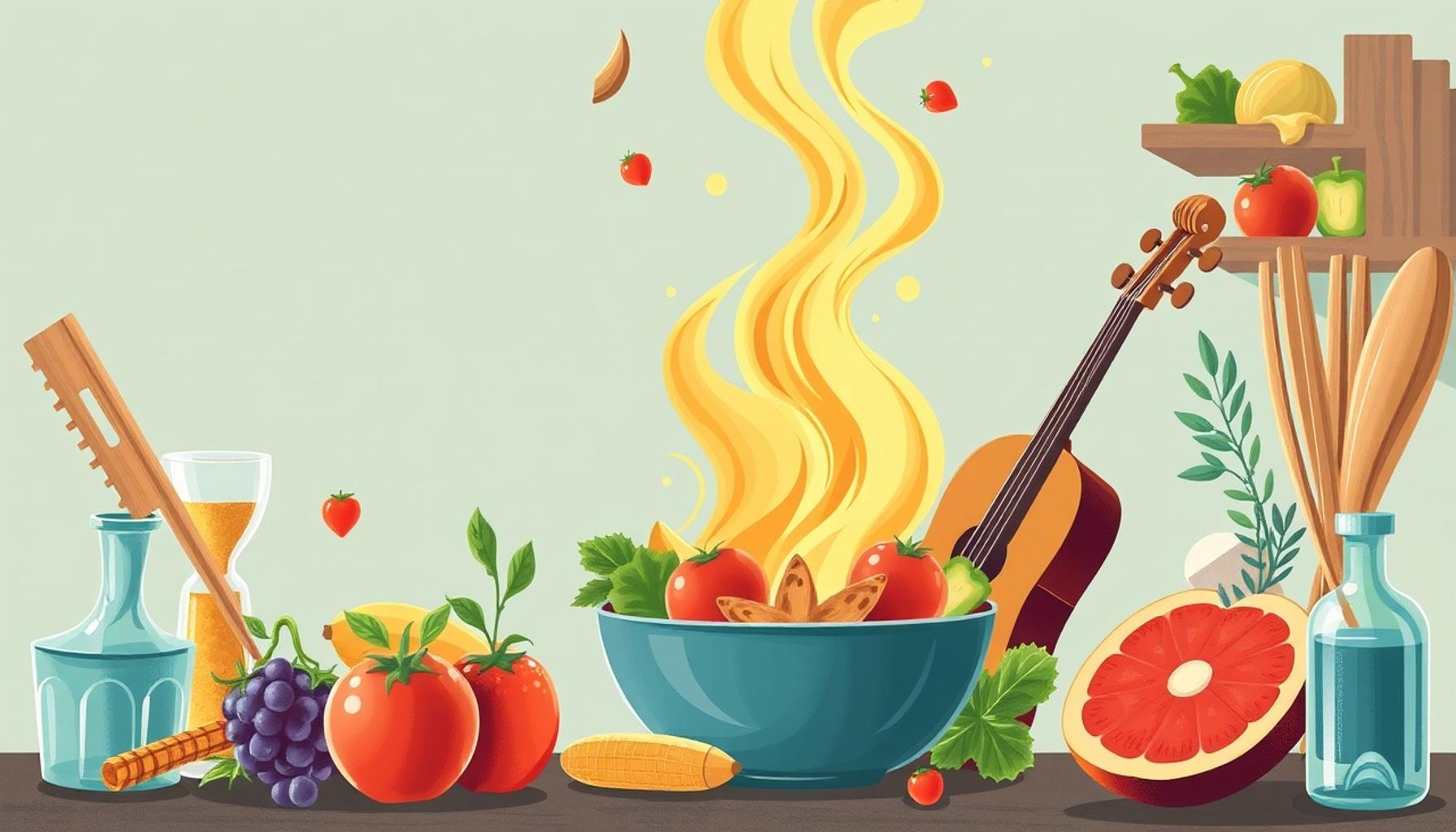
The kitchen, much like a symphony, thrives on the harmony of flavors and rhythms. This connection between culinary arts and music can rekindle your creativity, transforming everyday cooking into an exhilarating experience. Just as musicians balance tempo and melody, chefs unite ingredients to create delightful dishes. Imagine stirring a pot of simmering sauce while a soothing jazz record plays softly in the background, or chopping vegetables in time with an upbeat pop song; the result is more than just a meal—it’s an orchestra of tastes and sensations.
Unlock Your Creative Potential
Here are a few ways music can inspire your culinary journey:
- Enhancing Mood: The right playlist can elevate your cooking space, making it more inviting and stimulating. For instance, classical music may promote focus and precision, helping to perfect the delicate techniques needed for French sauces.
- Encouraging Experimentation: Different genres can spark new ideas, encouraging you to mix flavors you may not have considered. Listening to reggae might inspire a Caribbean twist on traditional North American BBQ, adding pineapple and jerk seasoning to your grilled chicken.
- Rhythm in Cooking: Cooking techniques can mirror musical timing, encouraging you to find your own groove in the kitchen. The rhythm of chopping, stirring, and plating can align with the beats of a song, enhancing the flow of your cooking process.
The essence of creativity often lies in cross-pollination between different art forms. Culinary traditions, such as the vibrant foods of New Orleans, often come alive with jazz influences, resulting in dishes that are as lively and diverse as the music itself. By understanding this intricate relationship, you can unleash unique culinary expressions that surprise and delight your guests and family alike.
Creating Culinary Symphonies
As you venture further into this exploration, consider how diverse musical styles like jazz or classical can influence your choice of spices, or how a fast-paced tune might inspire a dish that bursts with flavor. Jazz, with its improvisational nature, can encourage you to play with techniques and ingredients, while classical music’s structured composition may lend itself to precise baking, ensuring each measurement is spot on for that perfect soufflé.
Each note can bring forth a new taste sensation, waiting for you to discover. Perhaps an upbeat track conjures memories of summer picnics, prompting a creation of a vibrant tomato and watermelon salad, seasoned with fresh mint and feta—a delightful medley that’s as refreshing as your favorite song. In this way, cooking can become a participatory performance, inviting spontaneity and joy into every meal prepared.
So, the next time you step into the kitchen, turn on some music and let it guide you. Make it an adventure where every meal is a new composition, a celebration of the beautiful interplay of culinary arts and music. A delightful recipe can emerge not just from ingredients, but from the inspiration that flows through the melodies that surround you.
DIVE DEEPER: Click here to explore the role of musical instruments in self-expression
Music as a Muse in Gastronomy
The connection between music and cooking is deeply rooted in our cultural experiences and memories. Music serves as more than just background noise in the kitchen; it can be a source of inspiration, igniting creativity and passion. When you think about it, both cooking and music involve a delicate interplay of timing, balance, and improvisation. As a chef approaches a new recipe, they often experiment with flavors, much like a musician explores different notes and rhythms to create a captivating melody. This synergy between culinary arts and music can ultimately elevate your culinary creations and encourage artistic expression.
Flavor Profiles Inspired by Musical Genres
To enhance your cooking endeavors, consider how various musical genres can influence your approach to flavor and presentation. Each genre encompasses distinct characteristics that can evoke different culinary concepts. Here are a few examples:
- Blues: Known for its soulful melodies, the blues can inspire hearty, comforting dishes that resonate with deep flavors. Think of soul food classics like fried chicken or collard greens, where the richness of the ingredients tells a story, much like a powerful blues ballad.
- Funk: With its rhythmic grooves and upbeat energy, funk music encourages bold, vibrant flavor combinations. Imagine creating a spicy jambalaya infused with layers of spices and textures that dance on your palate, capturing the lively spirit of funk.
- Country: The storytelling aspect of country music often highlights simplicity and rustic flavors. Grilled meats, fresh vegetables, and hearty sides can echo the comforting tales of home and hearth found in a country song.
By tapping into the emotions and themes of these genres, you can design dishes that reflect their essence. Whether you’re making a warm apple pie inspired by folk tunes or crafting a zesty salsa reminiscent of a lively mariachi band, the possibilities are endless. Consider experimenting with musical playlists as you cook, allowing the music to take you on a flavorful journey through tradition and innovation.
Building Your Culinary Playlist
Creating a carefully curated playlist can fundamentally alter your cooking experience. Music sets the tone in the kitchen, encouraging a relaxed atmosphere where creativity can flourish. As you assemble your playlist, think about specific moods you want to evoke. For example, soft acoustic tunes can bring about a sense of peace during meal prep, while high-energy dance tracks can inject excitement into a dinner party preparation.
The act of cooking can mirror the structure of a musical piece—there’s an introduction as you gather your ingredients, a crescendo as you layer flavors, and a grand finale as you plate your dish. By aligning these stages with the beats and phrases of your chosen music, you create a more immersive cooking experience. This approach invites not only exploration of flavors and techniques but also allows room for improvisation, lending itself to unexpected culinary discoveries.
As you delve into this harmonious relationship between culinary arts and music, remember that the kitchen is your stage. Let melody and rhythm guide your hands and your palate, and watch as your culinary creations transform into masterpieces filled with flavor and passion.
Culinary Inspirations from Music
The interplay of culinary arts and music extends beyond mere enjoyment; it serves as a driving force for creativity within the kitchen. When you immerse yourself in the world of flavors and rhythms, you cultivate an environment where inspiration flourishes. Imagine a vibrant melody melding seamlessly with the sizzling sound of sautéing vegetables, igniting your imagination to experiment with new recipes. Certain genres of music can enhance your culinary experience, encouraging you to explore unconventional pairings and innovate your dishes.For instance, classical music has been known to enhance focus, making it an ideal backdrop for meticulous tasks like pastry making. In contrast, the upbeat tempo of jazz can encourage spontaneity, leading you to create dishes on a whim that reflect your emotions at that moment. By letting music guide your cooking rhythm, you can tap into a form of self-expression that transcends traditional culinary boundaries.
The Science Behind Flavor and Sound
Recent studies suggest that the auditory experience can influence taste perception. The harmony of flavors is not only a culinary principle but also an auditory one. The juxtaposition of sounds may enhance the flavors of your dish, making a perfectly grilled steak more savory when accompanied by the soothing strums of an acoustic guitar. This sensory fusion enriches the overall dining experience, transforming meals into a multi-dimensional event that captivates both the palate and the ears.Utilizing music as a muse—whether through playlists curated for specific cuisines or improvisational sounds derived from the cooking process—can unlock new creative potentials. Engaging this relationship can inspire you to fuse different culinary traditions, leading to dishes that are not only delicious but also tell a story of cultural convergence. Embrace this unique connection, and plunge into the delightful exploration where culinary arts and music intertwine to elevate your cooking creativity.
| Category | Key Features |
|---|---|
| Sound Influences on Taste | Music can transform the perception of flavor, enhancing the dining experience. |
| Creative Exploration | Combining culinary techniques with musical elements leads to innovative dish creation. |
DIVE DEEPER: Click here to uncover the secrets of bread making
Creating Flavors Through Rhythmic Pairings
As you continue to explore the intricate relationship between music and culinary arts, consider how the rhythms and tempos of different musical styles can guide your flavor pairings and cooking techniques. Each beat can mirror the process of cooking, from the gentle simmer of a sauce to the sizzling burst of a stir-fry. Aligning these rhythmic dynamics with your culinary practice opens up a new world of flavor possibilities, leading to innovative dishes that reflect both sound and taste.
Tempo and Timing in Cooking
Just as a song builds in energy through tempo changes, cooking demands a keen sense of timing to achieve the perfect result. Slow jazz, for instance, encourages a relaxed pace suitable for slow-cooked meals like braised short ribs or hearty stews. These dishes require patience; the flavors deepen over time, much like the intricate melodies that bloom slowly. On the contrary, fast-paced genres such as rock or electronic music may inspire you to whip up dishes that are quick yet delicious, like a vibrant stir-fry or a refreshing salad. The key here is to let the tempo set the rhythm of your kitchen, allowing you to create dishes that are undeniably in tune with the energy of the moment.
Exploring Flavor Harmonies
When delving into culinary innovation, consider the concept of harmonies found in music. In the same way that notes blend together to create memorable chords, a thoughtful combination of ingredients can produce harmonious flavor profiles. Focusing on complementary ingredients can elevate your dish from ordinary to extraordinary. Think of pairing sweet and savory flavors, much like the way a major chord harmonizes with a minor one. A classic example is the combination of bacon and maple syrup, where the richness of the bacon is perfectly balanced by the sweetness of the syrup, creating a delightful culinary experience.
Additionally, when crafting a dish, think about the ‘contrast’ that musicians often use to create tension and resolution in their compositions. Just as a dish might benefit from contrasting flavors—such as the coolness of yogurt alongside the warmth of spices—you may find inspiration in progressive rock, with its unexpected shifts and turns that keep listeners engaged. This exploration invites you to incorporate diverse ingredients, textures, and temperatures, such as pairing grilled peaches with a sharp cheese or integrating spicy jalapeños into sweet chocolate desserts.
Soundscapes: Elevating Culinary Presentation
In the same way music enhances our emotional experiences, sound can impact how we perceive culinary presentations. When plating your creations, consider how music can create not only a thematic backdrop but also influence the atmosphere during dining. A mellow acoustic playlist can transform a meal with friends into an intimate gathering, inviting conversations that flow like the rhythms of the guitar.
Incorporating elements of sound into your dining experience can elevate the atmosphere and memory associated with your dish. Consider the clever addition of culinary elements that introduce unexpected crunches or pops—like crispy shallots or pomegranate seeds that delight the senses and create a delightful auditory experience. This engagement with sound, when woven into your culinary practices, enriches the entirety of the dining experience, engaging all five senses.
The interplay between culinary arts and music is a vast territory waiting to be explored. By recognizing the connections between musical structure and cooking techniques, you can create vibrant, delicious meals that not only excite the palate but also tell a story. Allow rhythm, harmony, and sound to guide you as you innovate and express your unique culinary voice.
DISCOVER MORE: Click here
Conclusion
In conclusion, the fascinating connection between culinary arts and music offers an innovative framework for unlocking your creativity in the kitchen. By embracing the rhythms and melodies of different musical styles, you can discover a newfound approach to flavor pairing and cooking techniques. Just as a flowing melody can evoke emotions, the careful orchestration of ingredients can create dishes that resonate with your guests’ tastes and memories.
Consider the composition of harmonies, as combining complementary and contrasting flavors can transform a meal into a captivating culinary experience. As you experiment with seasoning and presentation, think of how the addition of sounds—be it the crunch of fresh vegetables or the sizzle of a hot pan—can enhance the dining atmosphere. By integrating music and sound into your cooking adventures, you engage not only the palate but all five senses, allowing for a holistic experience that transcends the act of eating.
Ultimately, the exploration of culinary creativity through music invites you to think differently and act boldly. As you move forward in your culinary journey, let the expressive potential of music guide your creations, transforming simple dishes into a harmonious blend of flavors and sounds that tell your unique story. Start experimenting today—turn up the music, let the rhythm inspire your culinary creations, and watch as your kitchen transforms into a vibrant stage for flavor and imagination.