The Therapeutic Impact of Crafting: How Creating Can Improve Mental Health
Crafting as a Pathway to Emotional Wellness
Engaging in crafts can be more than just a hobby; it can serve as a powerful tool for enhancing mental well-being. The act of creating fosters a unique connection between the mind and body, promoting emotional healing and resilience. In our fast-paced world, where stress and anxiety levels are on the rise, finding healthy outlets like crafting can be essential for personal care and mental health.
This article explores how different crafting activities can significantly benefit mental health. Consider the following therapeutic elements of crafting:
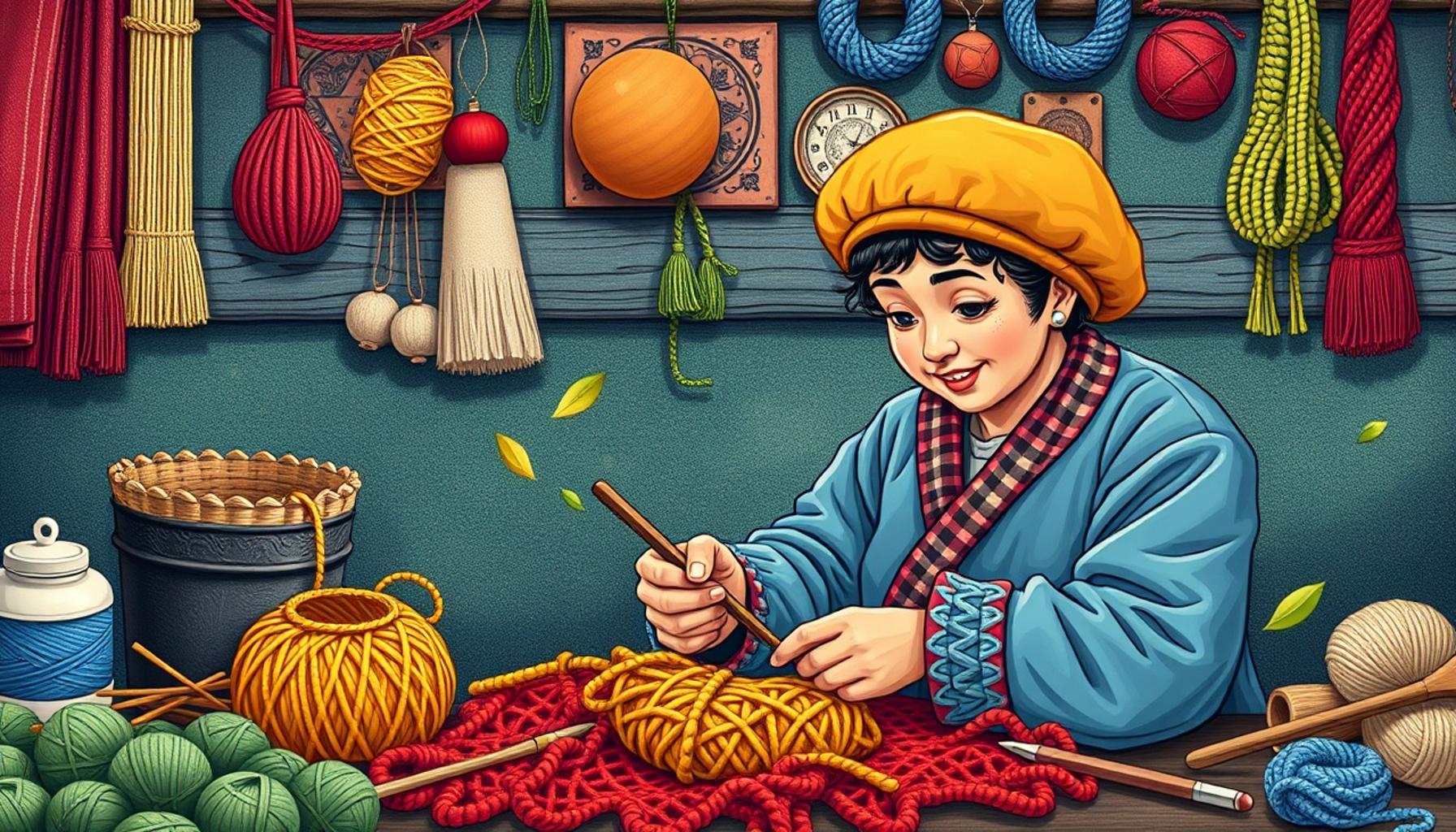
- Reduction of Stress: Focused crafting is akin to a form of meditation, allowing individuals to escape daily pressures. Whether it’s the rhythmic motion of knitting needles or the repetitive strokes of a paintbrush, these activities can induce a state of relaxation that lowers cortisol levels in the body. Research indicates that even just 20 minutes of crafting can lead to a noticeable reduction in stress levels.
- Boost in Self-Esteem: Completing a project, no matter how big or small, instills a sense of accomplishment and pride. The tangible outcome of your efforts—be it a handmade card, a quilt, or a piece of jewelry—provides a physical representation of your skills and creativity, serving as a confidence booster. Many crafters find that sharing their finished products with others enhances their self-worth.
- Mindfulness and Presence: Crafting encourages individuals to stay in the moment, effectively reducing feelings of anxiety. This mindfulness aspect can be particularly beneficial in the United States, where a significant portion of the population grapples with stress and mental health issues. By focusing solely on the task at hand, crafters can distract themselves from worries about the past or future, promoting a sense of peace.
- Social Interaction: Engaging in group crafting activities can foster connections and combat loneliness. Community classes or virtual crafting circles offer opportunities for individuals to share ideas, exchange tips, and create friendships. The camaraderie formed through crafting can lead to enhanced social skills and a support network, which is invaluable for mental health.
From knitting a scarf to painting a canvas, each creation has the potential to uplift spirits and improve mental states. In fact, studies show that crafting stimulates brain activity, leading to increased dopamine levels, which correlate with happiness and fulfillment. Engaging in artistic pursuits can also improve cognitive function, keeping the mind sharp and engaged.
As we delve into the specifics of various crafting methods—such as pottery, scrapbooking, or woodworking—you will discover how each can play a vital role in your mental health journey. Exploring these activities can inspire a deeper appreciation for the simple act of creating, potentially transforming your relationship with art and crafts into a powerful aspect of self-care.
DIVE DEEPER: Click here to discover more
The Psychological Benefits of Crafting
The psychological advantages of engaging in crafting cannot be overstated. As we explore various forms of art and creation, it becomes increasingly clear that these activities impact mental health positively. In the process of crafting, individuals often experience enhanced emotional well-being through several key mechanisms, including creativity, routine, and accomplishment. Let’s delve deeper into these aspects and uncover how crafting can pave the way for improved mental health.
Channeling Creativity for Mental Clarity
Creativity plays a fundamental role in promoting mental health. When individuals engage in crafting, such as sewing, painting, or woodworking, they tap into their creative potential. This process not only provides an outlet for self-expression but also fosters a state of flow—a psychological state where individuals lose track of time and immerse themselves fully in the task at hand. Such experiences can lead to an uplifted mood and heightened emotional awareness.
- Expression of Emotions: Crafting allows crafters to articulate feelings that might otherwise be difficult to convey. Whether it’s through selecting colors in a painting or choosing patterns for quilting, the act of creating can serve as a form of emotional release.
- Creation of Personal Narratives: Many crafters utilize their projects to tell personal stories, capturing moments of joy, struggle, or healing. This storytelling aspect enhances personal meaning and fosters connection with one’s journey.
- Therapeutic Techniques: Many therapists incorporate crafting into treatment plans, leveraging the therapeutic benefits of creativity to help clients process emotions and tackle mental health challenges.
Establishing Routine and a Sense of Purpose
Crafting activities often involve repetitive tasks, which can create a sense of routine. For many, establishing a regular crafting schedule provides structure, something that can be especially beneficial during periods of uncertainty or emotional distress. This predictability allows individuals to regain a sense of control over their lives. Furthermore, the act of creating something tangible contributes to a sense of purpose and fulfillment. When completing a project, crafters experience a psychological boost from seeing their time and effort translated into a physical object.
- Goal Setting: Setting crafting goals, whether small (like finishing a hat) or large (like completing a quilt), allows individuals to focus on achievable tasks that can foster feelings of satisfaction and accomplishment.
- A Sense of Routine: Regular crafting can serve as a calming routine amidst the chaos of daily life, contributing to overall well-being.
In fostering creativity and structure, crafting serves as a multidimensional approach to improving mental health. When individuals take the time to engage in creative pursuits, they not only enhance their artistic skills but also cultivate essential emotional resilience.
| Advantage | Description |
|---|---|
| Enhanced Mood | Engaging in creative activities can lead to increased levels of serotonin, the happy hormone, which helps to elevate a person’s overall mood. |
| Stress Relief | Crafting provides a mindful escape from daily pressures and induces relaxation, allowing individuals to manage stress more effectively. |
The benefits of crafting extend well beyond mere enjoyment. Research indicates that participating in creative activities fosters not only mental well-being but also enhances overall life satisfaction. For instance, the act of making something tangible can evoke feelings of accomplishment, boosting self-esteem and providing a sense of purpose. Furthermore, harnessing creativity often requires focus and attention, which can distract from negative thoughts and reduce symptoms of anxiety. Moreover, participating in group crafting sessions fosters a sense of community and belonging, which are vital components in combating loneliness and isolation. By connecting with others through shared interests, individuals can experience significant emotional support, enhancing their resilience. As interest in craft therapy grows, many are beginning to explore various artistic outlets—from pottery to knitting, the possibilities resonate with almost every individual.Understanding the profound impact of creating can not only change one’s perspective on hobbies but also encourage those struggling with mental health challenges to seek solace and healing through craft. Embracing the world of crafting opens doors not only to creativity but also to a pathway toward improved mental health.
DIVE DEEPER: Click here to discover the science behind cooking
The Social Benefits of Crafting
In addition to the psychological advantages that crafting offers, there is a significant social component that further enhances its therapeutic impact on mental health. Crafting can facilitate social interaction, foster community connections, and build lifelong friendships. These aspects are critical in combating feelings of isolation and loneliness, prevalent issues for many individuals navigating mental health challenges.
Building Community and Connections
When individuals partake in crafting activities, whether in workshops, classes, or online groups, they often find themselves surrounded by like-minded peers. Engaging in these collaborative environments can strengthen existing relationships and spark new connections. Participating in craft groups offers a sense of belonging, which is vital for mental well-being.
- Shared Experiences: Crafting together allows individuals to share stories, skills, and ideas. This exchange fosters a supportive environment, which can significantly uplift spirits and provide comfort during tough times.
- Crafting Events: Local crafting events or community fairs offer opportunities to meet others passionate about similar crafts, enabling participants to connect over mutual interests. These gatherings can lead to lasting friendships and social networks.
The Role of Online Crafting Communities
In today’s digital age, online crafting communities have surged in popularity, becoming accessible platforms for people to share their work, ideas, and inspirations. These virtual spaces break geographical barriers, allowing individuals from all over the world to connect.
- Access to Support Networks: Platforms such as Facebook groups and Pinterest communities provide support, guidance, and inspiration. Many craft enthusiasts find solace in these digital circles, where they can seek advice or simply share a moment of joy over a completed project.
- Opportunities for Learning: Online communities often host tutorials and workshops, making it easier for crafters to hone their skills and learn new techniques. This continuous learning helps maintain engagement and motivates individuals to push creative boundaries.
Encouraging Volunteerism and Altruism
Crafting not only serves personal needs, but it can also be a means of giving back to the community. Many crafters find fulfillment in creating items for charitable causes, such as knitted hats for newborns in hospitals or quilts for homeless shelters. This altruistic aspect of crafting offers a profound sense of purpose.
- Impact on Mental Health: Engaging in volunteer crafting can redirect focus away from personal struggles and foster a sense of accomplishment and connection with broader community efforts. Knowing that their work contributes to a greater cause can help crafters experience heightened levels of self-worth and satisfaction.
- Promoting Empathy: The act of creating for others’ benefit encourages empathy and compassion, emotions that can lead to greater emotional resilience.
The social dimensions of crafting—building connections, fostering community, and engaging in altruism—add layers of therapeutic benefit to this creative outlet. Through crafting, individuals strengthen not only their own mental health but also the bonds that tie them to their communities, making it a valuable pursuit for shared healing and growth.
DIVE DEEPER: Click here to discover the role of improvisation in music
Conclusion: Crafting as a Pathway to Healing
The exploration of crafting as a therapeutic avenue reveals its multifaceted benefits for mental health, underscoring its significance in both individual and community well-being. Through creative engagement, individuals often experience enhancements in self-esteem, stress relief, and a profound sense of purpose. Additionally, crafting cultivates social connections, providing a supportive network that alleviates feelings of isolation and loneliness.
As individuals join crafting workshops or participate in online communities, they not only indulge their creativity but also forge meaningful relationships that can last a lifetime. The storytelling and sharing inherent in these settings empower participants to confront their challenges in a community-centric approach, reinforcing the notion that healing is often a collective journey.
Moreover, engaging in charitable crafting projects enables individuals to redirect their focus outward, instilling a sense of accomplishment that enhances overall mental well-being. The experience of creating something for others fosters empathy and compassion—qualities that are essential for resilience in navigating life’s challenges.
In summary, the therapeutic impact of crafting extends beyond mere hobby; it is a vital tool for enhancing mental health. Encouraging greater participation in crafting activities can serve not only to enrich individual lives but also to strengthen community ties, creating a ripple effect that fosters collective healing. For anyone exploring avenues to improve their mental health, crafting beckons as an inviting and transformative option worth considering.