The Role of Improvisation in Musical Expression: Liberating Creativity
The Artistry of Improvisation
Improvisation is a dynamic form of musical expression that goes beyond mere spontaneity. It serves as an essential vehicle for artists to delve into their creativity, pushing artistic boundaries and forging deeper connections with their audiences. By embracing improvisation, musicians liberate themselves from preconceived notions and embrace the flow of creativity, often leading to refreshingly unique performances that resonate with listeners on an emotional level.
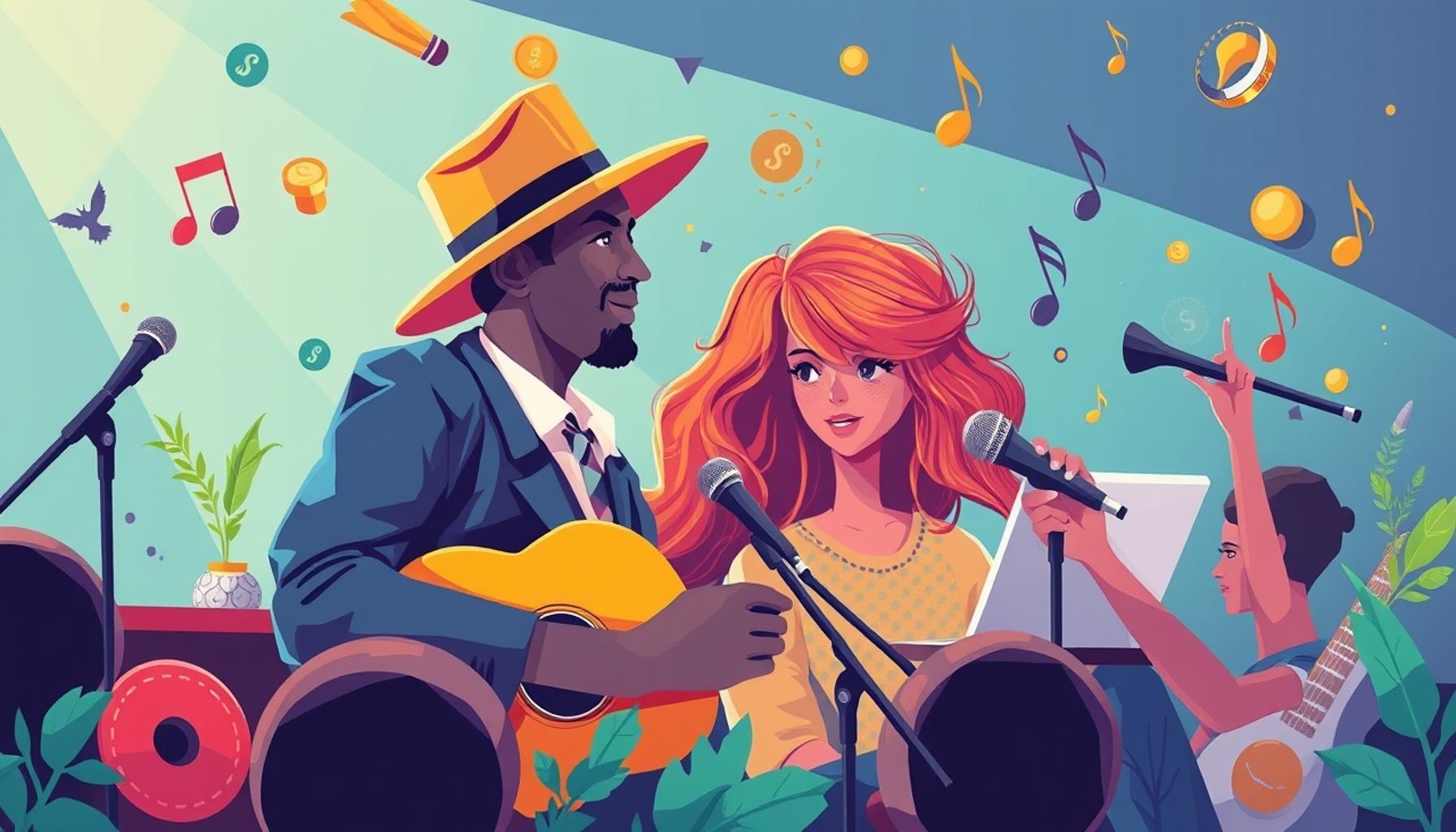
Across a diverse array of musical genres, the practice of improvisation plays a pivotal role. For instance, in the world of Jazz, musicians engage in a conversational exchange through their instruments, crafting intricate solos that reflect the mood of their fellow bandmates. Icons like Miles Davis and John Coltrane are celebrated for their improvisational genius, often altering melodies and harmonies on the fly, which creates an environment of mutual inspiration and exploration.
In the Rock genre, guitarists such as Jimi Hendrix and Eddie Van Halen are renowned for their ability to integrate unexpected riffs and solos into their live performances. This spontaneity not only captivates audiences but also elevates the overall energy of a concert. The rush that comes from playing an improvised lick on stage can transform a standard performance into a legendary moment.
The Classical tradition also has a rich history of improvisation. Composers like Johann Sebastian Bach were known to improvise elaborate fugues during performances, showcasing their mastery of musical form. Modern classical musicians, such as pianist Brad Mehldau, continue this tradition by incorporating improvisational elements into their interpretations of classical pieces, thus breathing new life into established compositions.
Improvisation fosters a profound exchange between performer and listener, leading to:
- A spontaneous connection during live performances that can evoke a range of emotions.
- An opportunity for individual expression within collaborative environments, promoting an enriched artistic dialogue.
- A chance to experiment with new ideas, rhythms, and sounds, allowing artists to break free from the conventional.
As we explore the multifaceted nature of improvisation, we uncover its significant impact on individual artists and the musical landscape at large. This practice encourages not only personal exploration of creativity but also the evolution of genres and styles. In the spirit of discovery, we invite you to dive into the vibrant world of musical improvisation, where the possibilities are as limitless as the imagination itself.
DISCOVER MORE: Click here to dive deeper
The Transformative Power of Improvisation
Improvisation acts as a catalyst for creative freedom, enabling musicians to navigate beyond the constraints of their instruments and predetermined musical structures. This notion is particularly significant in genres such as jazz and blues, where the essence of the music thrives on the unexpected. Consider the legendary performances at the Montreux Jazz Festival, where artists like Herbie Hancock or Chick Corea have continuously captivated audiences with their spontaneous compositions. Each note becomes a moment of discovery—not just for the performer, but for the audience as well, transforming the shared experience into a lively dialogue.
In a broader context, the art of improvisation plays a crucial role in enhancing a musician’s adaptability. While classical training provides a solid foundation, the ability to improvise encourages musicians to step beyond familiar pathways and experiment with new sounds. The renowned cellist Yo-Yo Ma, for instance, often incorporates improvisational elements into his performances, merging classical motifs with world music influences. Such innovation is more than technical skill; it’s a commitment to exploring the boundaries of musical expression.
Let us delve deeper into why improvisation is pivotal for liberating creativity in music:
- Fostering Authenticity: When musicians improvise, they access their genuine emotions and thoughts. This authenticity resonates, establishing a deep emotional connection with listeners.
- Building Confidence: Through improvisation, artists acquire a sense of fearlessness. The open-ended nature of spontaneous music invites musicians to take risks and embrace mistakes, viewing them as integral parts of the creative process.
- Enhancing Collaboration: In group settings, improvisation encourages active listening and responsiveness. Musicians become attuned to each other’s expressions, resulting in a collaborative soundscape that embodies the essence of shared creativity.
- Encouraging Individual Style: Artists discover their unique voice through improvisation. Each musician develops a signature sound, which often elevates their artistry and sets them apart in a crowded musical landscape.
The influence of improvisation extends beyond the stage; it impacts how artists approach songwriting and composition as well. Numerous popular songs, often credited solely to composition, find their roots in the improvisational spirit. Take, for instance, iconic tracks by the Grateful Dead, where extended jamming sessions birth new musical ideas and arrangements. This organic creation process highlights the essential link between improvisation and lasting musical innovation.
Furthermore, emerging musicians in the United States benefit from platforms that encourage improvisational skills. Schools, workshops, and open jam sessions provide invaluable opportunities for young artists to collaborate, experiment, and redefine their musicality through real-time creativity. In a world where the rapidity of technological advancement often leads to algorithm-driven music production, the act of improvising serves as a reminder of the spontaneous joy inherent in music-making.
As we continue exploring the intricacies of improvisation, it becomes evident that its role in musical expression is not merely significant; it is transformative. Through improvisation, artists open up new avenues for creativity, enriching both their performances and the experiences of those who engage with their music. This journey into the world of improvisation invites musicians and listeners alike to celebrate the beauty of the unscripted and the invigorating power of creativity.
| Category | Description |
|---|---|
| Creative Freedom | Improvisation offers artists a platform to explore their unique sound and express emotions spontaneously. |
| Enhanced Listening Skills | Engaging in improvisation cultivates a musician’s ability to listen intently and respond to other performers in real-time. |
| Risk-taking | Improvisation encourages musicians to take emotional and creative risks, leading to innovative sounds and styles. |
| Collaboration | It fosters a collaborative spirit among musicians, creating a communal atmosphere where creativity thrives. |
Improvisation in music significantly enhances creativity by allowing artists a liberating platform to express their unique voices. One of the vital categories is Creative Freedom, which empowers musicians to explore and manifest their distinct sounds without constraints. This spontaneous act is more than mere performance; it is an outpouring of emotions that resonates deeply with listeners.Moreover, as musicians delve into the world of improvisation, they develop Enhanced Listening Skills. The act of responding to fellow musicians in real time sharpens their awareness, making each performance a unique interaction. This collaborative aspect leads to exciting synergies and new developments in musical expression.Additionally, improvisation nurtures a culture of Risk-taking in music. Musicians become more daring, stepping beyond traditional boundaries to forge fresh narratives. The collaborative nature of improvisation cultivates an environment ripe for experimentation, prompting musicians to innovate while performing with fellow artists. This organic process reveals the endless possibilities that arise when creativity knows no confines.
DISCOVER MORE: Click here to delve into the world of musical improvisation
The Intersection of Improvisation and Cultural Expression
Improvisation extends its liberating effects beyond the mere act of playing; it deeply intertwines with cultural heritage, reflecting the social and historical contexts from which various music genres emerge. Artists draw from their backgrounds and influences—shaping not only the music they create but also how they express their identities. For instance, in Latin American music, improvisation is often characterized by intricate rhythms and vibrant melodic embellishments, allowing artists to express their cultural narratives dynamically. The improvisational quality present in styles like flamenco showcases how musicians can convey their personal and communal stories through passionate and spontaneous performances.
The roots of improvisation can also be traced back to folk traditions across America. In genres like bluegrass and Appalachian music, artists engage in powerful improvisational exchanges, creating a tapestry of sound that celebrates cultural resilience. Notably, the practice of “call and response” allowed musicians to interact through spontaneous melodies, fostering a sense of community while also inviting individual expression. This participatory form of music-making empowers individuals to contribute their voices, making the music not just a performance but a communal experience.
Moreover, a graduate report by the Association for Popular Music Education suggests that improvisation can break down barriers between genres, helping musicians blend various styles and innovate continuously. Artists like Prince epitomized this integration, effortlessly shifting between rock, funk, and jazz, often employing improvisation as a key tool for experimentation. His willingness to embrace spontaneity in performance led to unforgettable concerts, where setlists were often discarded in favor of live creations driven by the energy of the moment.
Yet, the role of improvisation is not limited to established musicians. Emerging artists are embracing these concepts in their music education. Institutions across the United States increasingly prioritize improvisational courses, empowering students to explore their creativity. Programs at renowned schools like the Berklee College of Music or the New England Conservatory incorporate improvisation into their curriculum, equipping students with the skills needed to adapt and innovate in a rapidly evolving music landscape. These educational frameworks resonate with the belief that improvisation is crucial for developing a versatile musician capable of interpreting and reshaping diverse musical forms.
A prime example of this is the rise of the lo-fi hip-hop genre, where artists use sampling and real-time tweaking to create layered soundscapes. By embracing improvisation, musicians not only cultivate their unique styles but also foster a collaborative, inclusive atmosphere where new artists can thrive. Streaming platforms and social media amplify these connections, allowing the exchange of improvisational ideas across geographical boundaries and encouraging a global dialogue enriched by various cultural influences.
In a world where the music industry is often driven by commercial pressures and formulaic approaches, the improvisational spirit provides a refreshing paradigm. It empowers musicians to reclaim their artistic process, facilitating genuine expression and a richer, more diverse musical landscape. As artists continue to navigate their identities through improvisation, they inspire listeners to reflect on the narratives behind the notes—transforming each musical experience into a profound journey of creativity and connection.
DISCOVER MORE: Click here to dive into food photography tips
Conclusion: Embracing Creativity through Improvisation
In exploring the role of improvisation in musical expression, it becomes evident that this art form not only serves as a powerful vehicle for creativity but also as a vital bridge connecting cultural heritage, personal identity, and community. Improvisation lifts the constraints often imposed by traditional structures, allowing musicians to explore their inner worlds and share their stories in a deeply personal way. From the rich tapestries of Latin American music to the dynamic interplay in bluegrass and flamenco, the ability to improvise cultivates a sense of authenticity that resonates with audiences and paves the way for artistic innovation.
As we reflected on the contributions of various artists, such as Prince, we witness how branching beyond the confines of genre nurtures a fertile ground for creative growth. The rising popularity of lo-fi hip-hop further underscores the importance of collaboration and experimentation in contemporary music landscapes. Educational initiatives across the United States are recognizing this potential, encouraging the next generation of musicians to embrace improvisation in their studies, thereby ensuring a vibrant musical future.
Ultimately, improvisation transcends mere performance; it invites a dialogue between the artist and the listener, fostering a shared experience of discovery and emotional resonance. In a climate where formulaic approaches often dominate, the improvisational spirit emerges as a beacon of liberation, empowering musicians to redefine the landscape of their craft. As we continue to navigate the evolving tapestry of music, embracing improvisation is crucial—not only for enriching individual expression but for nurturing a diverse global community that thrives on creativity and collective storytelling.