
Sustainable Cuisine: Creative Practices for Cooking with Local and Seasonal Ingredients
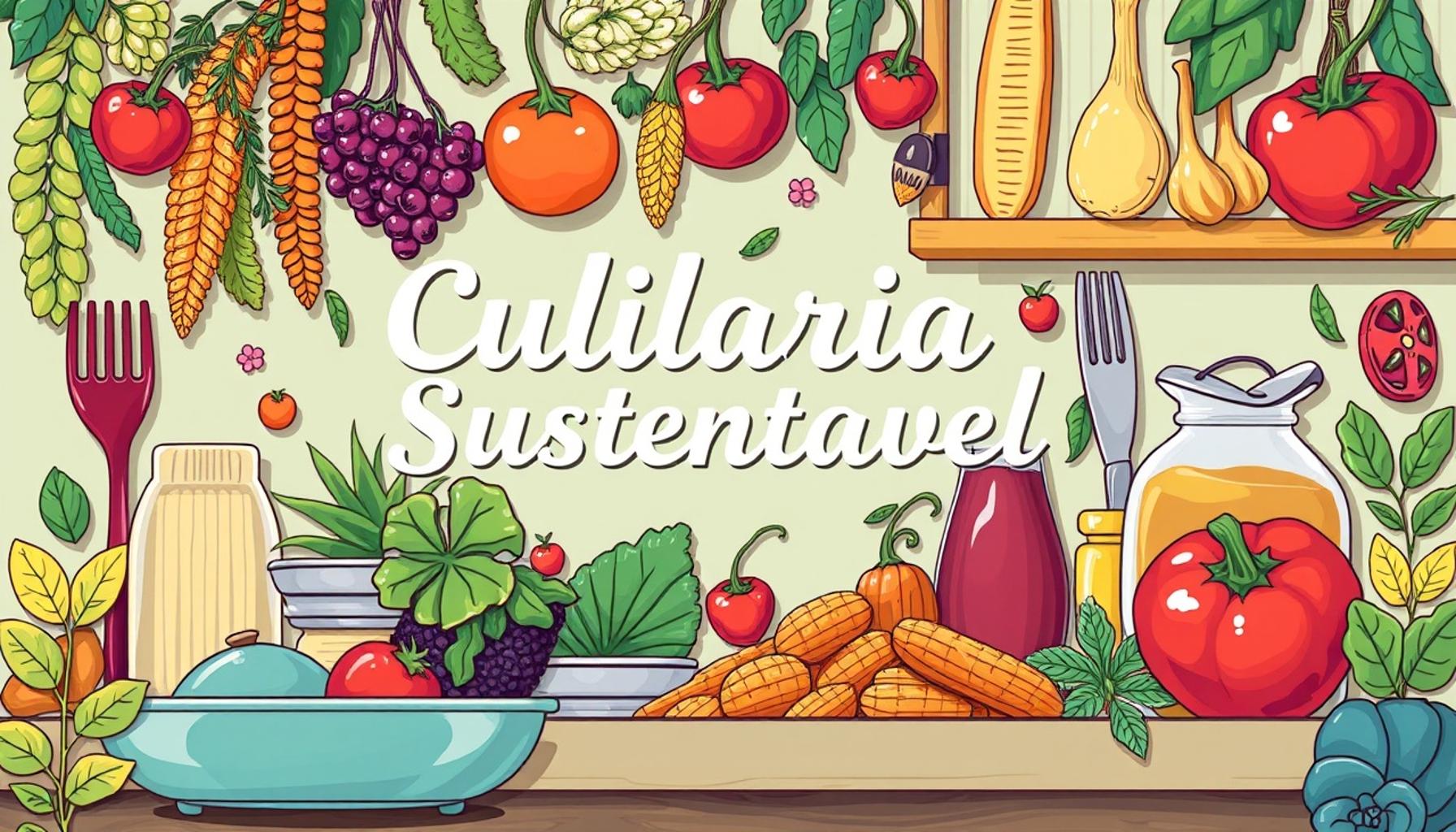
Embracing the Local and Seasonal
The culinary world is evolving, and one of the most exciting movements today is centered around sustainable cuisine. As more people become aware of the environmental impact of their food choices, the emphasis on using local and seasonal ingredients has never been more relevant. Cooking sustainably isn’t just a trend; it’s a necessary shift towards a healthier planet.
Why Choose Local and Seasonal?
Utilizing ingredients that are in season and sourced from local farmers has numerous benefits that extend beyond just flavor. For instance:
- Freshness: Seasonal ingredients are often harvested at peak ripeness, delivering superior flavor. For example, tomatoes picked in mid-summer have a sweetness and juiciness that outshine those shipped across the country from hothouses.
- Support Local Economies: Purchasing from local farms helps strengthen communities and boosts economic growth. By keeping dollars within the community, you encourage the agricultural heritage of your region. For instance, in states like California or Vermont, supporting local producers can sustain small family farms and preserve rural livelihoods.
- Environmental Impact: Reducing the carbon footprint associated with transportation is a critical benefit of choosing local products. When food travels fewer miles from farm to table, it cuts down on emissions and waste. Additionally, local farms often employ methods that enhance biodiversity, contributing positively to local ecosystems.
Creative Culinary Practices
Adopting creative practices in sustainable cooking can breathe new life into your meals, while also ensuring you are using the best possible ingredients available. Here are some practical ideas to inspire your kitchen:
- Participate in a local CSA (Community Supported Agriculture) program. This initiative connects consumers directly with farmers, allowing you to receive a box of fresh produce regularly, which can introduce you to different seasonal vegetables and fruits you may not have otherwise tried.
- Explore farmer’s markets for unique finds. These markets often feature not just fresh produce but also locally made products such as jams, cheeses, and baked goods. You may discover seasonal fruits like blueberries in the summer or hearty root vegetables in winter.
- Experiment with preservation methods like canning or fermenting. Techniques such as pickling cucumbers from your local market or fermenting seasonal vegetables can amplify flavors while allowing you to enjoy these ingredients long after the harvest season has passed.
As you embark on this culinary journey, you’ll discover not only delicious dishes but also a deeper connection to your community and the earth. Learning about the origins of your food and supporting local growers cultivates a sense of responsibility and appreciation for the environment around you. The next time you find yourself in the kitchen, consider how each ingredient contributes not only to your meal but also to a more sustainable future. Ready to dive in?
DISCOVER MORE: Click here to explore eco-friendly projects
Innovative Approaches to Utilizing Local Flavors
The beauty of sustainable cuisine is not just in its ethical considerations but also in the eclectic range of flavors it promotes. Cooks are increasingly turning toward local and seasonal ingredients not simply to embrace sustainability, but also to elevate their culinary creations. This year-round practice encourages innovation and ingenuity in the kitchen, making way for dishes that reflect both the time of year and the local landscape.
Incorporating Foraging into Your Cooking
One exciting trend gaining traction among sustainable cooking enthusiasts is the practice of foraging. In many parts of the United States, chefs and home cooks alike are learning to identify edible plants in their local environment. This ancient technique not only brings an adventurous spirit to the kitchen but also provides an opportunity to connect intimately with the earth’s offerings. Imagine discovering wild ramps in the spring or pawpaw fruit in late summer—these ingredients can enhance your meals in unexpected and delightful ways.
- Education and Engagement: Workshops focused on foraging are becoming more popular. Organizations and local chefs host classes to teach people how to safely identify and harvest wild edibles. Engaging in these activities increases awareness of local ecosystems and the diversity of food available, while also fostering a community spirit.
- Enhancing Flavor Profiles: Foraged ingredients such as nettles, dandelion greens, and elderflowers can add unique and aromatic notes to your dishes. Incorporating these flavors can set your cooking apart from traditional recipes, inviting diners on a taste adventure.
- Sustainable Practices: Foraging aligns well with the ideals of sustainable cuisine—taking only what you need and leaving the rest. This mindful approach ensures the health of local flora while providing a treasure trove of flavor in the kitchen.
Seasonal Menu Planning
Another effective method for embracing local and seasonal ingredients lies in menu planning. Chefs can craft menus that reflect the natural availability of ingredients throughout the year. This practice helps to eliminate the reliance on out-of-season produce that is often imported from faraway places, containing less flavor and more environmental impact. By aligning your dishes with the seasons, you unlock a plethora of creative opportunities:
- Celebrate Harvest Festivals: Take advantage of local celebrations and markets that highlight seasonal bounty. Many cities host events dedicated to crops that are in season, giving cooks ample opportunities to experiment.
- Cooking Classes and Pop-Up Dinners: Consider participating in or hosting classes that focus specifically on seasonal cooking. This provides an interactive platform for individuals to learn new techniques while enjoying the benefits of fresh ingredients.
- Themed Dishes: Develop signature dishes that change with each season. This not only keeps your menu fresh but also encourages diners to return throughout the year, eager to taste the latest offerings that celebrate local produce.
As you weave these innovative approaches into your culinary practices, you’ll not only improve your cooking skills but also strengthen your connection to the community and environment. From foraging for wild ingredients to crafting seasonally inspired menus, the possibilities are limitless in the realm of sustainable cuisine. It’s time to step into the kitchen with a renewed sense of purpose and creativity, ready to explore the vibrant flavors that your local landscape has to offer.
| Advantage | Description |
|---|---|
| Supports Local Farmers | By choosing locally-sourced ingredients, consumers play a crucial role in promoting the local economy and ensuring farmers receive fair compensation for their hard work. |
| Enhances Freshness and Flavor | Cooking with seasonal ingredients allows home chefs to enjoy produce at its peak, resulting in enhanced nutritional value and superior taste. |
| Reduces Carbon Footprint | Utilizing local ingredients minimizes the need for long-distance transportation, effectively lowering carbon emissions associated with the food supply chain. |
| Promotes Biodiversity | Focusing on regional varieties of ingredients encourages diverse agricultural practices, safeguarding against the risks posed by monoculture. Biodiversity ensures ecological balance and sustainability. |
As concerns about the environment grow, there is an awakening to the significance of sustainable practices in our kitchens. Adopting a sustainable cuisine mindset not only empowers individuals to make a positive impact on their health and communities but also serves as an invitation to explore a world of vibrant flavors, creativity, and culinary innovation. By embracing seasonal produce, one not only nurtures the body but cultivates a deeper connection with the land and community from which our food comes. This holistic approach to cooking offers an enticing pathway to gastronomic discovery and personal well-being.
DIVE DEEPER: Click here to discover your writing voice
Community-Supported Agriculture (CSA) and Local Partnerships
One of the most impactful ways to embrace sustainable cuisine is through the support of Community-Supported Agriculture (CSA) programs, which connect consumers directly with local farms. By subscribing to a CSA, individuals receive a share of the farm’s harvest, typically including a variety of seasonal vegetables, fruits, and sometimes even dairy or meats. This practice not only strengthens local economies but also provides a steady supply of fresh ingredients, enabling cooks to incorporate the best of their region into their meals.
The Benefits of CSA Membership
Joining a CSA offers numerous advantages that extend beyond the benefits of fresh produce:
- Seasonal Awareness: CSA members often receive newsletters detailing what to expect in their weekly share, encouraging them to adjust their meal planning based on produce availability. This helps cultivate an understanding of what foods are in season and inspires creativity in meal preparation.
- Building Relationships: There’s something special about knowing where your food comes from. Many CSA programs include farm tours and events, creating opportunities for members to engage with farmers and learn about sustainable practices. This connection fosters a greater appreciation for the hard work involved in food production.
- Reducing Carbon Footprint: By sourcing ingredients directly from local farms, individuals actively contribute to lowering transportation emissions, aligning with the principles of sustainability. CSA programs promote less processed food, minimizing waste associated with packaging.
Collaborating with Local Chefs and Food Artisans
Creating vibrant menus using local and seasonal ingredients often extends beyond individual home cooking to collaborations within the culinary community. Local chefs and food artisans are increasingly teaming up to celebrate regional flavors, craft unique dining experiences, and educate the public about the importance of sustainable practices.
- Farm-to-Table Initiatives: Many restaurants are embracing the farm-to-table movement by forging partnerships with nearby farms. This synergy not only ensures that chefs have access to the freshest ingredients but also invites diners to savor dishes that reflect the local terroir. Promotional events featuring local farms can enhance this connection, drawing attention to the significance of sourcing ingredients responsibly.
- Pop-Up Events: Collaborative pop-up dinners are becoming a popular trend, where chefs and artisans come together to create unique culinary experiences. By combining their skills and focusing on seasonal ingredients, they create unforgettable menus – think heirloom tomato tastings in summer or hearty squash dishes in fall.
- Food Festivals: Events such as farmers’ markets and local food festivals often generate excitement around seasonal ingredients. Chefs participating in these events showcase their culinary skills while promoting the value of geographically specific food sources, encouraging community members to explore local traditions.
As you explore the world of sustainable cuisine, consider how engaging with local farms, participating in CSA programs, and fostering partnerships with other culinary enthusiasts can profoundly enhance your cooking experience. The collaborative spirit and commitment to the environment can transform the way food is prepared and enjoyed, revealing the diverse and flavorful bounty of your local landscape.
DIVE DEEPER: Click here to learn more about the power of musical instruments in self-expression</p
Embracing Sustainable Cuisine for a Healthier Future
As we conclude our exploration of sustainable cuisine, it becomes clear that the journey toward a more environmentally friendly and health-conscious way of cooking is deeply rooted in our choices as consumers. By focusing on local and seasonal ingredients, whether through Community-Supported Agriculture (CSA), collaborations with local chefs, or participation in food festivals, we not only enhance our culinary skills but also contribute positively to our communities and the planet.
Engaging with local farmers promotes an appreciation for the labor that goes into food production, fostering a sense of connection that many have lost in today’s fast-paced world. This awareness cultivates creativity in the kitchen as we adapt our meals around what is fresh and available, embracing the rhythm of nature’s cycles. The result is not just sustainability, but a richer palate that showcases the unique flavors of our region.
In an era where food production impacts our health, environment, and economy, individuals can take meaningful steps toward sustainable eating. By exploring these vibrant connections, from farm-to-table experiences to seasonal eating, we can inspire others to join this movement. Ultimately, sustainable cuisine is not merely a trend; it represents a commitment to nurturing our bodies, our communities, and our planet. It is a call to action for all of us to become stewards of the land, cultivating a future where good food thrives both ethically and deliciously.