The Influence of Cultural Diversity on Musical Expression in Creative Hobbies
The Vibrancy of Cultural Influence in Music
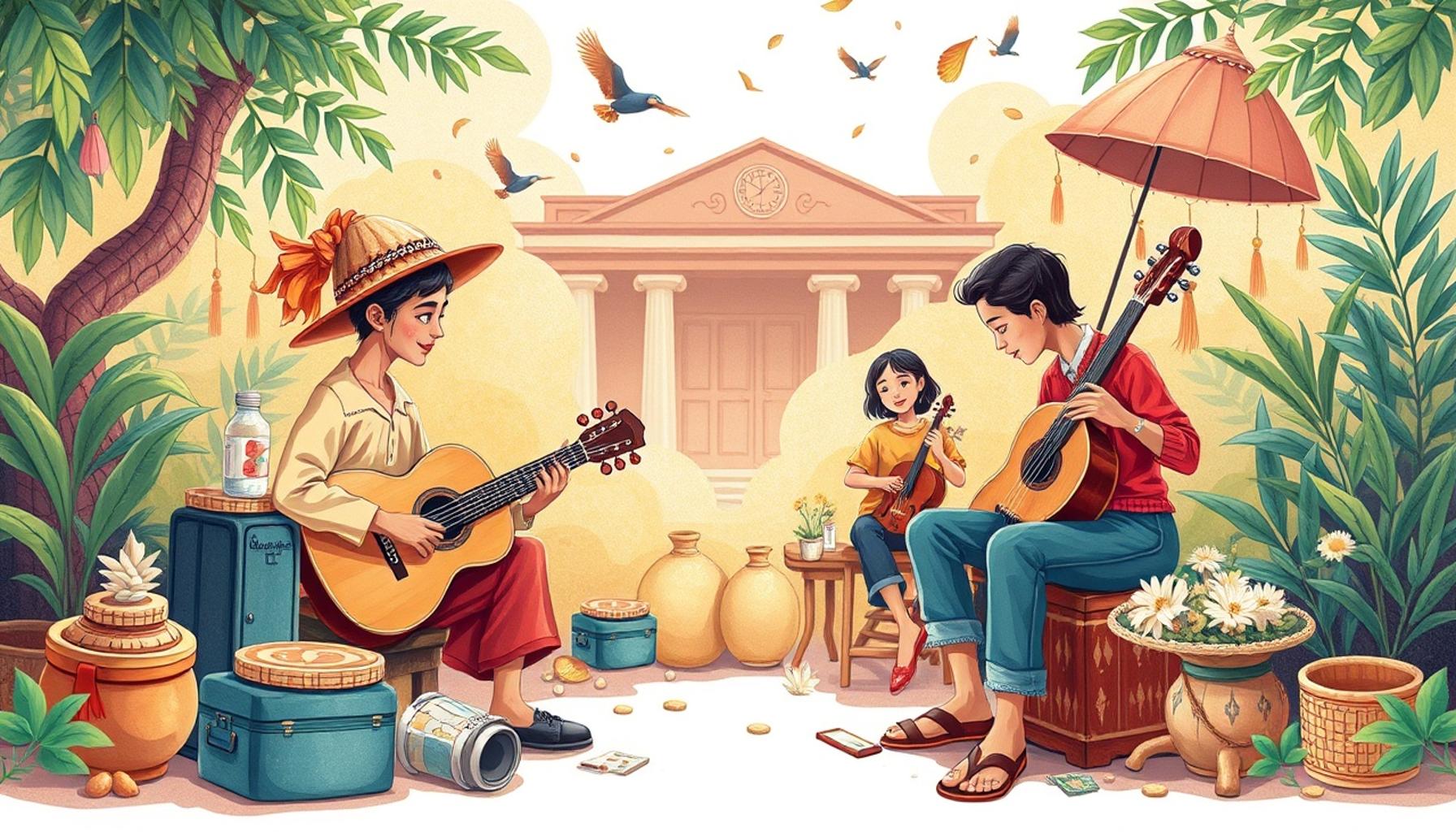
In the rich tapestry of human creativity, few threads are as vibrant as those woven from different cultural backgrounds. The influence of cultural diversity on musical expression has the power to redefine personal and collective experiences within creative hobbies. This exchange of ideas and traditions transcends geographical boundaries, inviting artists and enthusiasts alike to explore a captivating world of sounds and emotions that might otherwise remain undiscovered.
Cultural backgrounds shape not only the music we create but also the methods through which we engage with our hobbies. Take, for example, how various elements contribute to musical expression:
- Instruments: Traditional instruments from around the globe offer unique tones and playing techniques. The Indian sitar’s resonant drone, the African djembe’s rhythmic pulse, and the American banjo’s bright twang all exemplify how regional sounds resonate with distinct cultural narratives.
- Genres: Fusion genres like Reggaeton, which emerged from Latin American roots, incorporate beats from hip-hop and dancehall. Similarly, World Music blends various cultural influences, creating expansive soundscapes that reflect the stories of diverse peoples.
- Practices: Community-based musical traditions, such as African drumming circles or bluegrass jam sessions in the American South, foster collaboration and innovation. These communal experiences strengthen bonds and inspire new artistic directions.
As we delve deeper, it’s crucial to recognize the benefits that arise from this cultural exchange in our creative pursuits. Engaging in diverse musical forms can:
- Enhance creativity: Exposure to varied styles encourages artists to think outside the box. For example, the incorporation of K-Pop elements into Western music not only invigorates song structures but also introduces brand new audiences to familiar concepts through an innovative lens.
- Foster community: Music has an unparalleled ability to unite people from all walks of life. Events like music festivals, especially those focusing on multicultural themes, highlight how shared rhythms can create lasting connections among strangers.
- Encourage exploration: As artists venture beyond their comfort zones, they often rediscover their own roots. Many contemporary musicians draw from jazz, blues, and folk traditions, demonstrating how understanding one’s heritage can lead to groundbreaking creativity.
Join us in uncovering how cultural diversity shapes the world of music and influences our creative hobbies in unexpected ways. By immersing yourself in different musical traditions and styles, you may discover new inspiration and techniques that resonate with your own artistic journey. Whether it’s attending a local concert that showcases world music or experimenting with new instruments, the possibilities for creative expansion are boundless—all reflecting the beautiful mosaic of human expression.
DISCOVER MORE: Click here to delve deeper
The Richness of Instrumental Diversity
Instrument diversity serves as a powerful testament to the influence of cultural diversity on musical expression. From the delicate strings of a Korean gayageum to the vibrant rhythms of a Brazilian cuíca, each instrument carries with it a plethora of cultural significance and artistry. Understanding these instruments allows musicians and hobbyists to tap into narratives that transcend time and geography, enriching their creative endeavors.
In the United States, where multiculturalism thrives, the blending of various instruments can be especially transformative. Many musicians are experimenting with a juxtaposition of traditional instruments and modern technology. For example, the juxtaposition of electric guitars with indigenous wind instruments not only showcases distinct sounds but also personifies the dialogue between cultures. This cross-pollination of instruments can lead to entirely new genres, pushing the boundaries of what music can express.
- Exploring Unique Tones: Each instrument offers a unique tonality that is deeply rooted in its cultural origin. Consider how the haunting melodies of the Middle Eastern oud differ from the bright, rhythmic beats of a Jamaican steelpan. When fused in a creative hobby, these contrasting sounds can give rise to innovative compositions that challenge conventional understandings of music.
- Innovative Playing Techniques: The techniques used to play various instruments also add richness to musical expression. For example, traditional flamenco guitar techniques, characterized by intricate fingerpicking and percussive tapping, can dramatically alter the perception of a contemporary pop song. This blending of styles not only captivates audiences but also encourages musicians to broaden their technical abilities.
- Instrument Craftsmanship: The crafting of instruments often reflects local traditions and materials, offering insight into cultural heritage. Artisans in different regions may use specific woods, metals, and designs that reflect their cultural identity. By incorporating handcrafted instruments into their musical practices, artists can preserve these traditions while simultaneously expressing modern influences.
Furthermore, the communal aspect of musical practice often stems from cultural traditions that bring people together to share their passion for music. Whether it’s a community choir that infuses gospel elements into its repertoire or a group of friends participating in a drum circle that combines African and Caribbean rhythms, these shared experiences foster creativity and build a sense of belonging among participants. The ability to collaborate across cultures not only enhances individual creativity but also amplifies the impact of creative hobbies on a communal level.
As we consider the importance of instruments and communal practices, it becomes evident that the intertwining of different cultural perspectives not only enriches our musical expression but also cultivates a tapestry of creativity that invites discovery and innovation. Engaging with this diversity in music allows enthusiasts to develop their own style while contributing to the broader musical landscape shaped by varied cultural influences. The exploration of cultural instruments and techniques can ultimately lead to a personal journey of growth, reflection, and profound connections with others.
| Cultural Influence | Musical Expression |
|---|---|
| Global Genres | Fusion of sounds from different cultures |
| Cultural Symbols | Representation through diverse instruments and styles |
The rich tapestry of musical expression is profoundly shaped by cultural diversity, as individuals draw inspiration from distinct backgrounds, traditions, and experiences. For instance, the blending of various global genres fosters a dynamic environment where creativity thrives. Artists often blend traditional African rhythms with Western pop or classical elements, creating unique hybrid sounds that capture a broader audience. This fusion not only promotes appreciation for different cultures but also encourages collaboration among artists, leading to innovative, genre-defying compositions.Moreover, cultural symbols play a vital role in musical expression. Traditional instruments, language, and storytelling techniques serve as powerful mediums to convey the essence of a culture. For example, the use of the sitar in fusion music introduces audiences to the nuances of Indian classical traditions, while artists incorporate traditional melodies that resonate with their heritage. This allows for a deepened understanding of the cultural narratives that shape musical hobbies, inviting listeners to engage with the stories behind the sounds. By exploring these artistic expressions, individuals are not only entertained but also educated about the intricate connections between culture and creativity.
DIVE DEEPER: Click here to unlock the secrets of musical emotion
The Role of Cultural Fusion in Composition
The act of composition is inherently reflective of the influence of cultural diversity, revealing how musicians articulate their personal experiences through a collective lens. As musicians delve into various cultural influences, they find inspiration in the storytelling traditions and musical idioms that shape their environments. This process leads to innovative compositions that resonate with broader audiences, bridging cultural divides and inviting listeners into a rich tapestry of sound.
One compelling way cultural fusion manifests in musical expression is through the incorporation of lyrics and thematic elements from multiple cultures. For instance, artists like Mitski blend Japanese influences with Western pop music, seamlessly intertwining English lyrics with contemplative themes rooted in traditional Japanese aesthetics. This convergence not only expands an artist’s creative horizon, but also beckons listeners to explore narratives and cultural contexts they might not have been familiar with. This mutual exploration can foster empathy and understanding, ultimately enriching the listener’s experience.
- Experimenting with Genre Blending: Genres such as cumbia or reggaeton exemplify this fusion, as they weave together influences from African, Indigenous, and European musical traditions. The advent of technology has only accelerated this trend, enabling artists to experiment with production techniques and create hybrid genres, such as trap-infused folk music or classical-infused hip-hop. This fluidity allows musicians to target a broader demographic, creating a soundscape that is both familiar and new.
- Community Events and Cultural Exchange: Music is often a focal point during festivals and cultural celebrations, where various backgrounds converge in a shared appreciation of the arts. Events like the Newport Folk Festival or the New Orleans Jazz & Heritage Festival showcase a myriad of styles and traditions, from Cajun music to blues and folk. These gatherings not only celebrate musical diversity but also reinforce local communities’ cultural heritage while attracting attention from around the country.
- The Influence of Global Connectivity: The internet has catalyzed the dissemination of diverse musical styles, allowing aspiring artists from the United States and beyond to access global influences. Platforms like YouTube and social media have democratized the art of music production and allowed newfound genres to gain traction. For instance, traditional Moroccan music can find a parallel audience in the electronic dance music scene, showcasing how easily cultural borders can blur in the digital age.
Moreover, the influence of cultural diversity extends beyond mere musical characteristics; it also informs the motifs, emotions, and narratives embedded within the music. Understanding cultural contexts can enhance a hobbyist’s approach to songwriting, leading them to explore themes of social justice, identity, or love through a multicultural lens. Artists like Lin-Manuel Miranda in “Hamilton” exemplify this by blending traditional Broadway with hip-hop and R&B to convey powerful narratives about the American experience through a diverse, modern perspective.
This ability to merge various cultural elements encourages not only personal growth but also contributes to a conversation about identity within the artistic community. As hobbyists draw from rich cultural influences, they become part of a larger movement toward representation and inclusivity in the arts, affirming the notion that creativity flourishes in the midst of diversity. The embrace of different musical elements, genres, and narratives encourages both musician and listener alike to embark on an ongoing journey of exploration and understanding.
DIVE DEEPER: Click here to discover the power of collaborative art
Conclusion: Embracing Cultural Diversity in Musical Expression
In examining the influence of cultural diversity on musical expression, it becomes evident that the fusion of various traditions and styles not only enriches the creative process but also fosters a deeper sense of community and connection among artists and listeners alike. As musicians draw inspiration from diverse cultural heritages, their works evolve into powerful narratives that transcend borders, celebrating the shared humanity embedded within those stories. Such cultural exchanges, whether through genre blending, collaborative performances, or community festivals, inspire a sense of unity and collective understanding that resonates well beyond the audible.
Moreover, with the advent of the digital age, access to diverse musical styles has never been more attainable. Aspiring artists can engage with global influences at their fingertips, leading to innovative and experimental approaches in their creative hobbies. This democratization of music production encourages not only individual exploration but also collective dialogue, as artists reflect on issues of identity, social justice, and belonging within their compositions.
Ultimately, the embrace of cultural diversity in musical expression underscores an essential truth: creativity flourishes in environments rich with varied perspectives. As we continue to explore and celebrate this fusion of influences, we cultivate a vibrant tapestry of sound that mirrors the complexities of our society. This ongoing journey invites everyone—musicians and listeners alike—to engage in an embrace of cultural nuances that shape the rich landscape of music today, inspiring a future where creativity knows no bounds.