The Role of Musical Performance in Communicating Emotions
Exploring the Depth of Emotional Expression in Musical Performance
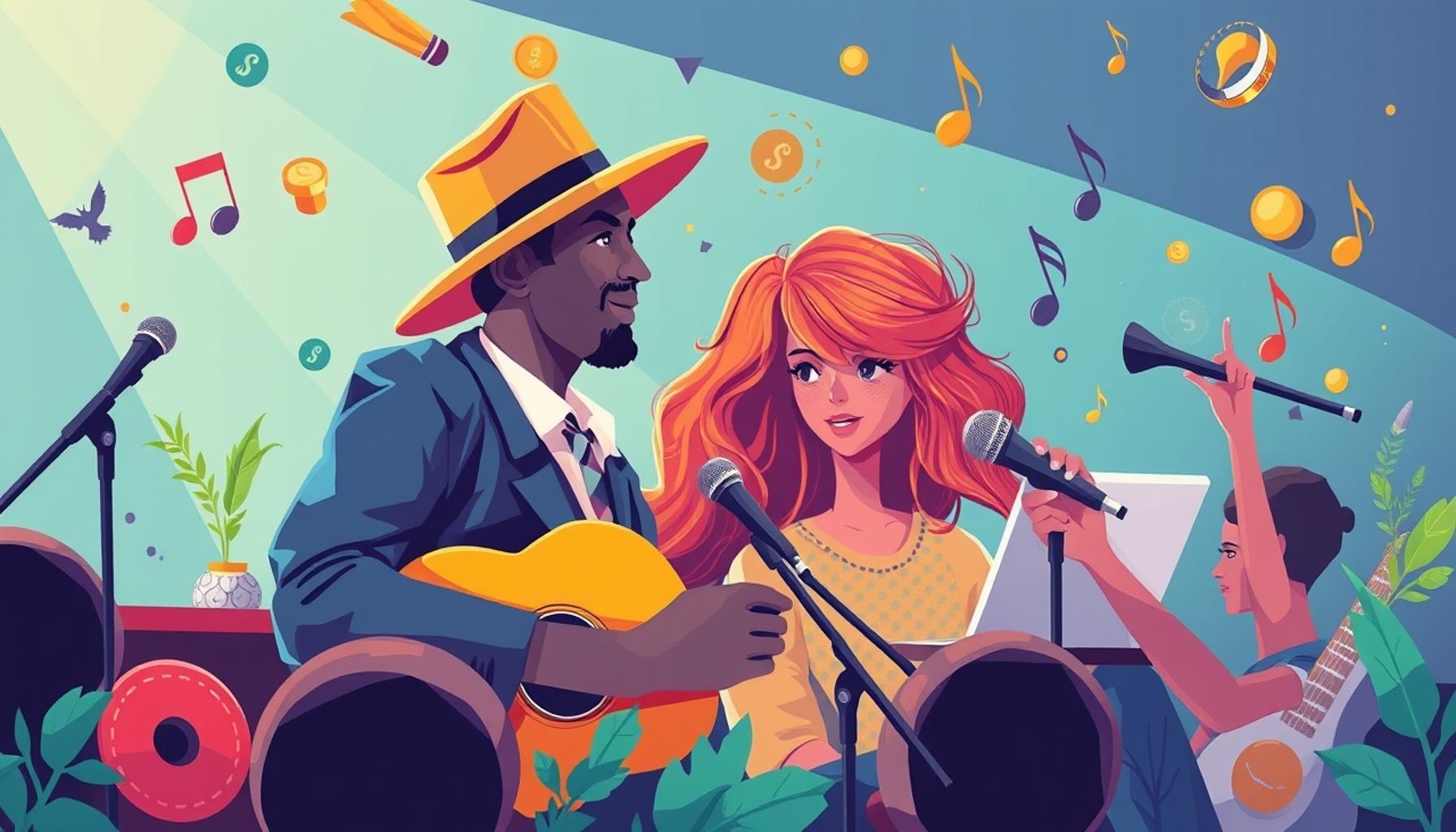
Every note played, every lyric sung, carries with it the potential to convey profound emotions. In the world of music, performance transcends mere technical skill; it transforms into a vital medium for expression. Musicians from all walks of life connect with diverse audiences, drawing them in to experience a spectrum of feelings that invites interpretation and connection. The emotional power embedded in musical performance can be both intentional and intuitive, often stirring memories, evoking nostalgia, or bringing joy.
Consider the following aspects of musical performance that enhance emotional communication:
- Vocal Intonation: The way a singer delivers a line can evoke feelings of joy, sadness, or nostalgia. Think of Adele’s soul-stirring ballads, where her use of breath control and dynamic range can turn a simple melody into a heart-wrenching experience. The subtle rise and drop in her voice can transform a listener’s mood, showcasing the profound effect of vocal delivery on emotional engagement.
- Instrumentation: Different instruments produce distinct emotions. For example, a cello, with its deep, resonant tones, often evokes a sense of melancholy and introspection, as found in the music of Yo-Yo Ma. In contrast, the bright, soaring notes of a trumpet can convey a sense of triumph or celebration, often seen in big band and jazz music. The choice of instruments shapes not just the sound but the emotional landscape of a performance.
- Body Language: Performers utilize physical movement to amplify the emotional impact of their music. For instance, the passionate gestures of a pop singer during a live performance can enhance the audience’s emotional experience, making them feel a part of the performance rather than just observers. The synergy between sound and stage presence can create a captivating atmosphere that resonates on a deeper level.
Moreover, socio-cultural influences shape the emotional interpretations of music. Genres like blues powerfully reflect life’s struggles and the human experience. Originating from African American communities in the Deep South, the blues’ themes of heartache and perseverance resonate universally. Similarly, country music often tells compelling stories of love, loss, and everyday struggles, encapsulating the American spirit in its verses.
This celebration of emotion through musical expression transcends language barriers and cultural differences. As people gather at concerts, festivals, or even in intimate settings, the shared experience of music fosters a sense of community and understanding that is difficult to replicate in other forms of art.
Intriguingly, the science behind music’s emotional influence reveals fascinating insights that merit exploration. Numerous studies demonstrate that specific melodies can trigger emotional responses in the brain, suggesting that musical performance may serve as a medium for connection that surpasses mere auditory pleasure. Scientific research has shown that listening to music can release dopamine, the “feel-good” neurotransmitter, hinting at why live performances elicit such strong emotional responses.
As we delve deeper into the role of musical performance in communicating emotions, we uncover a dynamic world where sound and sentiment intertwine. Whether through the soulful notes of a ballad or the jubilant rhythms of a dance track, music remains a powerful vehicle for emotional exploration and expression.
DISCOVER MORE: Click here to dive into the world of homemade ceramics</p
The Mechanics of Emotional Connection in Music
Understanding the intricate relationship between musical performance and emotional communication involves examining several key elements that contribute to this dynamic interplay. It extends far beyond the notes on a page; rather, it encompasses everything from rhythmic patterns to the subtleties of performance style. The following factors highlight how musicians convey emotions effectively through their art:
- Melody and Harmony: The structure of notes—melody and harmony—plays a significant role in emotional expression. Major keys tend to evoke feelings of happiness or triumph, while minor keys often express sadness or introspection. For instance, a piece in E minor may evoke a sense of longing, as heard in many classical works, such as Chopin’s Nocturnes. This tonal relationship not only reflects the performer’s intention but also engages the listener’s emotional faculties, creating a powerful connection that spans generations.
- Rhythm and Tempo: The pace at which music is played can heavily influence emotional response. Fast tempos may incite feelings of excitement and energy, making them ideal for dance genres like disco or pop. Conversely, slow tempos can inspire reflection and melancholy, particularly in ballads and traditional folk music. The rhythmic structure shapes the listener’s experience, where a syncopated beat may evoke spontaneity while a steady pulse fosters a sense of stability and comfort.
- Genre and Context: The genre of music often provides a cultural context that informs emotional interpretation. Genres like jazz, with its improvisational essence, allow performers to express spontaneity and freedom, which can resonate with audiences seeking authenticity. On the other hand, the structured forms of classical music may elicit a sense of awe and reverence. Understanding the context of a performance enhances how emotions are perceived, with certain genres specifically addressing themes of love, loss, and resilience that speak to the core of the human experience.
Moreover, the role of live performances elevates emotional communication. A live concert engages multiple senses and creates an atmosphere that reinforces the connection between the performer and the audience. This shared environment influences the emotional impact; the energy of the crowd, visual elements, and even the venue itself play crucial roles in shaping the listener’s experience. When a performer interacts with the audience—whether through eye contact, gestures, or crowd sing-alongs—the boundary dissolves, further enhancing emotional engagement.
Additionally, the power of improvisation cannot be understated. Jazz musicians often employ improvisation to inject spontaneity and personal flair into their performances, reflecting their emotional state in real-time. This on-the-spot creativity not only showcases the performer’s skill but also invites audiences to experience emotions as they unfold, making each performance a unique journey.
As we explore these various elements further, it becomes clear that the role of musical performance in communicating emotions is a rich field deserving of deeper investigation. Through melody, rhythm, genre, live engagement, and improvisation, performers and audiences alike navigate a vast emotional landscape that is as intriguing as it is complex.
The Role of Musical Performance in Communicating Emotions
Musical performance is an extraordinary medium for conveying emotions, allowing performers to express feelings that words often fail to capture. Through the intricate interplay of melody, harmony, and rhythm, musicians articulate sentiments that resonate deeply with audiences. Whether it is the exhilarating highs of a powerful crescendo or the tender softness of a quiet ballad, each note carries an emotional weight that enhances the overall experience.
Additionally, the context of a performance significantly influences emotion communication. For example, live performances create a unique atmosphere where the energy of the audience fuels the performers’ emotional expression. This shared experience fosters a connection between the musician and the listeners, making the emotional conveyance even more profound. In concerts, the combination of visual elements, such as stage presence and lighting, complements the musical components, further amplifying the emotional impact.
Moreover, various genres of music evoke different emotional responses. Classical music often elicits feelings of nostalgia and introspection, while genres like rock or pop can inspire joy and excitement. Understanding these associations can deepen the appreciation for how musical performance serves as a language of emotion, transcending cultural boundaries. With advancements in technology, the reach of musical performance is more expansive than ever, allowing audiences worldwide to engage with emotions expressed through sound.
| Advantages | Emotional Impact |
|---|---|
| Enhanced Emotional Expression | Musicians can convey complex emotions through their performances. |
| Connection with Audience | Live performances create a shared emotional experience in real-time. |
Furthermore, the study of music psychology reveals that both performers and listeners can experience shifts in mood and emotional understanding during and after musical engagement. This powerful communication tool continues to attract attention in fields such as therapy and education, where the emotional expression through music serves as a vital channel for personal development.
DISCOVER MORE: Click here to learn about the impact of art on mental health</
The Role of Performer’s Expression and Connection
As we delve deeper into the emotional tapestry woven through musical performance, the performer’s expression emerges as a pivotal element in the communicative power of music. A musician’s interpretation and delivery can drastically alter how a piece is perceived. This element transcends the technical precision of playing; it is the emotive nuances—the facial expressions, body movements, and vocal inflections—that breathe life into the notes.
For instance, a singer can convey profound sorrow or joyous exuberance simply through vocal dynamics. A subtle shift in volume can evoke tears from the audience, while an energetic burst can send listeners into ecstatic highs. Renowned artists like Adele and Freddie Mercury are prime examples of performers whose emotional expressiveness turns mere lyrics into cathartic experiences for their fans. Their ability to resonate with audience emotions allows for a shared sense of vulnerability and connection, which is vital in the realm of musical performance.
Furthermore, the physicality of performance enhances emotional communication. In genres like rock, performers often exhibit passionate gestures or dancing, which can project an energy that greatly amplifies the emotional impact of their music. Observers may find their spirits lifted or their hearts aching in response to the performer’s energy. The relationship between performers and their instruments—be it the way a guitarist cradles their guitar or the delicate touch of a pianist’s fingers on the keys—can also evoke profound emotional responses and make the listener feel part of the journey.
Another critical aspect is the cultural context and emotional palette that pervades different musical traditions. In the United States, genres like blues and gospel have deep cultural roots infused with historical pain and joy. Blues music embodies themes of hardship and longing, while gospel presents an uplifting message of hope and salvation. The emotional weight of these genres carries significant cultural narratives that audiences connect with on a personal level, ensuring that the messages resonate beyond the immediate performance. A well-executed performance of a blues standard, for instance, can transport listeners through the raw emotions of loss and resilience intrinsic to the African American experience.
Effective emotional communication also hinges on the narrative structure within a musical piece. Many compositions tell stories, and engaging with these narratives allows performers to access and project their emotions effectively onto the audience. When musicians interpret a song’s lyrics, they often draw on personal experiences that align with the song’s message, creating a compelling storytelling dynamic. This intricate exchange between performer and audience fosters a deeper emotional understanding on both sides. As the performer articulates emotions grounded in their own reality, they offer the audience a chance to reflect on their feelings and experiences through the lens of music.
As we examine these factors, it becomes increasingly apparent that a myriad of elements collaborates to ensure that musical performance serves as a potent channel for emotional expression and connection. From the physical expressions of the performer to the cultural narratives embedded within genres, every facet contributes to this profound form of communication that transcends the limitations of spoken language.
DISCOVER MORE: Click here to uncover the benefits of music on mental health</
Conclusion
In summary, the intricate relationship between musical performance and emotional communication is a profound phenomenon that bridges cultural divides and speaks to the universal human experience. By analyzing various elements—such as performer’s expression, narrative structure, and cultural context—we uncover how musicians harness their craft to transform notes and lyrics into a powerful language of emotion. The ability to convey such poignant feelings through music not only captivates audiences but also fosters a deep connection that can resonate for years.
As we have seen, elements like vocal dynamics and physicality in performance act as conduits for emotional expression. This connection is essential for creating shared experiences that allow listeners to explore their own emotions in relation to the performer’s narrative. In particular, iconic genres—such as blues and gospel—serve as living embodiments of cultural stories, rich with historical significance that speak to the heart of American identity.
Ultimately, understanding the role of musical performance in communicating emotions opens up avenues for further exploration. It encourages both performers and audiences alike to delve deeper into their emotional landscapes while recognizing the subtle intricacies of this unique art form. As we continue to uncover the layers of emotional communication in music, we may discover not just how we express ourselves but also how we connect with each other in a world that often feels divided.