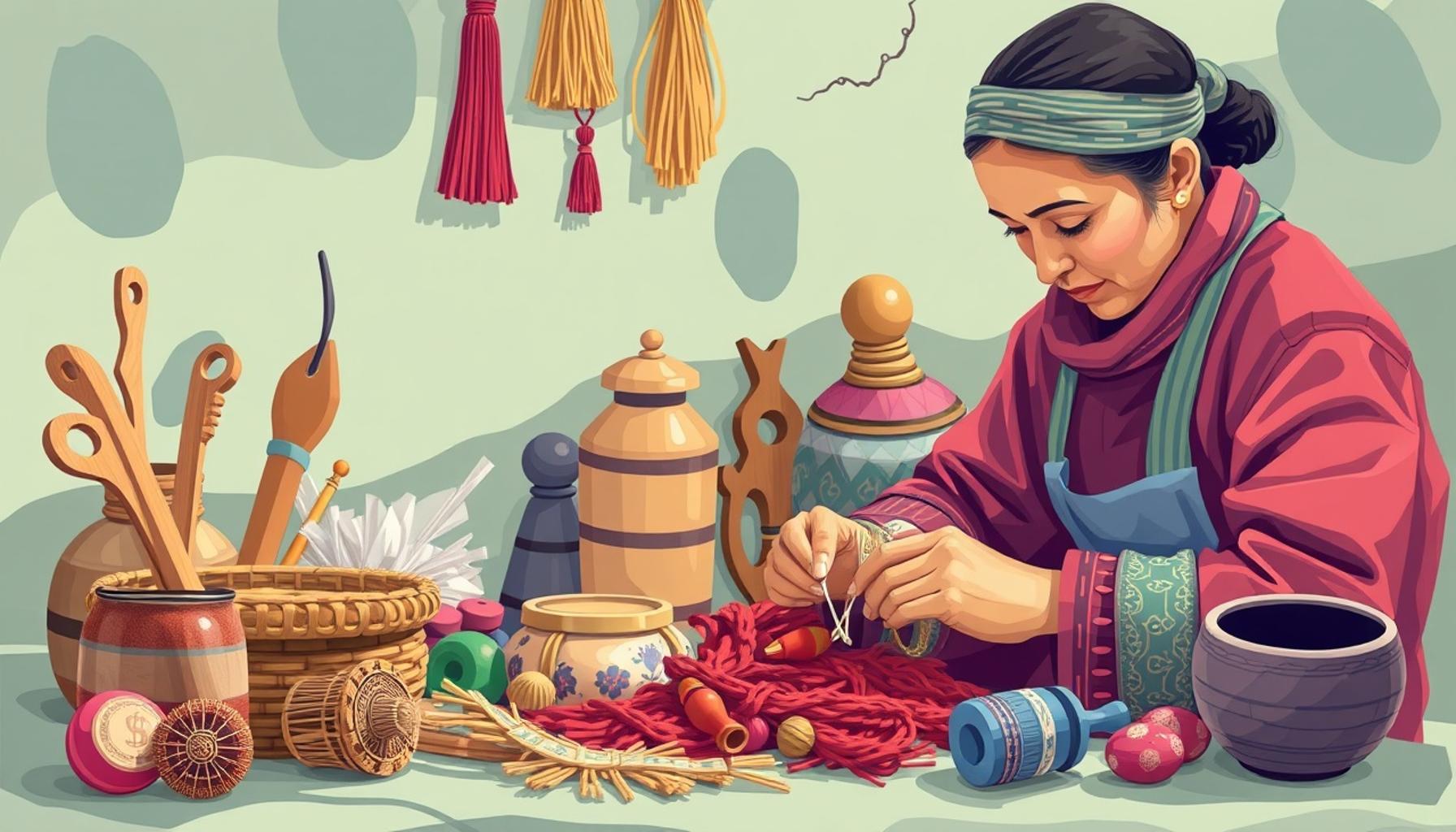
Ceramic Painting: Bringing Common Objects to Life with Colors and Creativity
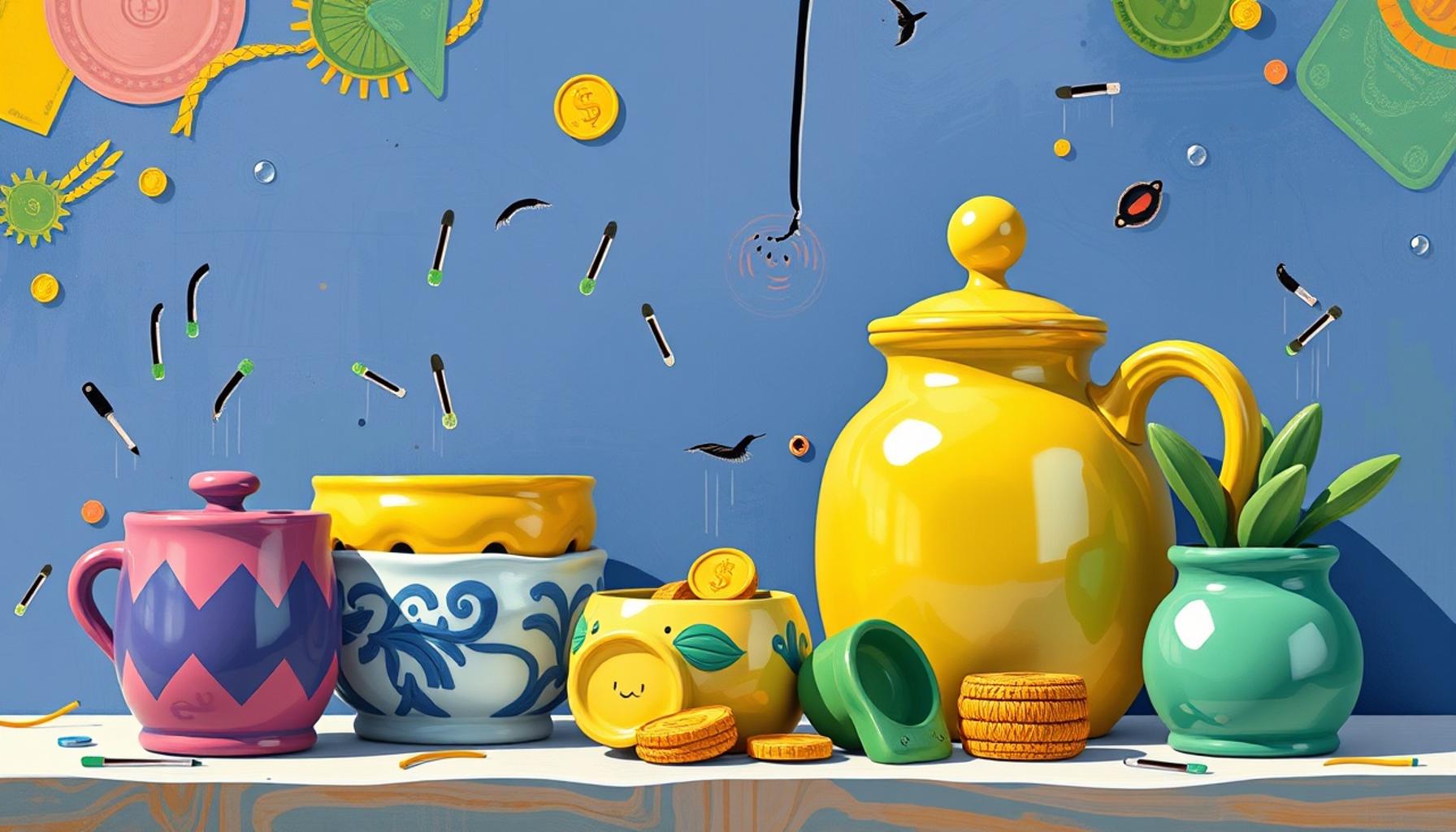
The Vibrant World of Ceramic Painting
Ceramic painting is a captivating form of artistic expression that has the power to breathe new life into everyday objects. By transforming mundane items into vibrant works of art, individuals not only enhance their surroundings but also communicate their personal style and creativity. This delightful craft allows artists of all skill levels, whether seasoned experts or complete novices, to explore their artistic potential.
With just a few brushes and a palette filled with color, the possibilities for creative expression are endless. For example:
- Mugs – Imagine sipping your morning coffee from a mug adorned with a unique design that reflects your personality. Customizing mugs allows for experimentation with patterns, colors, and themes, making each piece a conversation starter during gatherings.
- Plates – Hand-painted plates can transform an ordinary dinner into an extraordinary dining experience. Imagine serving your favorite recipes on plates featuring intricate designs that enhance the visual appeal of your meal, impressing guests with both culinary and artistic flair.
- Vases – A beautifully painted vase not only serves as a vessel for flowers but also acts as a standalone decorative item. Adding a splash of color through unique designs can enliven any living space, creating a focal point that captivates the attention of anyone who enters.
This art form’s accessibility contributes to its growing popularity across the United States. Community art classes, workshops, and online tutorials have made ceramic painting a feasible hobby for all, inviting people from diverse backgrounds to engage in this creative outlet. This communal aspect fosters connections among participants as they share tips, techniques, and their finished pieces.
Beyond the artistic benefits, ceramic painting is recognized for its therapeutic effects. The act of engaging with colors and patterns promotes relaxation and mindfulness, making it a favorite in art therapy settings. Individuals often report feeling a sense of calm as they immerse themselves in the rhythmic motion of painting, providing a perfect escape from the stresses of daily life.
As this ancient craft finds renewed interest in contemporary households, many are embracing the idea that art can be part of their everyday lives. From weekend projects to personalized gifts, ceramic painting continues to foster creativity and self-expression, proving that artistic transformation is just a brush stroke away. Discover the paralleled joy of creativity and functional beauty with ceramic painting and explore how it can enrich your own living space.
DIVE DEEPER: Click here to discover the emotional power of music
Exploring the Techniques and Tools of Ceramic Painting
Ceramic painting isn’t just a creative hobby; it’s a meticulous art form that requires the right tools, techniques, and a sprinkle of imagination. For those looking to dive into this engaging craft, understanding the fundamentals can greatly enhance the experience, allowing for unique expressions and personalized creations.
At the heart of ceramic painting lies a collection of essential tools. Painters commonly utilize:
- Brushes: A variety of brush sizes, from fine tipped for detailed designs to broader strokes for larger areas, are essential. Synthetic brushes work well with most ceramic paints, providing a smooth application on the surface.
- Paints: There are several types of ceramic paints available, including underglazes, glazes, and acrylics specifically formulated for ceramics. Each type offers distinct finishes and durability, and knowing when to use them can elevate a project significantly.
- Sealants: Once your masterpiece is complete, applying a sealant ensures that your painted items remain vibrant and protected from wear and tear. This is particularly important for functional items like dinnerware that may be exposed to frequent use.
Understanding these tools is only the beginning. The techniques employed also play a pivotal role in achieving stunning results. Techniques can vary widely, and experimenting with different methods can yield surprising outcomes. Some popular ceramic painting techniques include:
- Freehand Painting: This technique allows for complete creative control, enabling artists to explore personal designs, whether it be intricate patterns, botanical motifs, or abstract art.
- Stenciling: Using stencils can aid in creating clean shapes and repetitive designs, making it easier for beginners to get started without feeling overwhelmed.
- Sponging: This technique involves using a sponge to apply paint, resulting in soft textures and gradients. It’s an excellent choice for those looking to create natural, organic looks.
For artists seeking inspiration, there are countless resources available to spark creativity. Social media platforms, such as Instagram and Pinterest, are rich with stunning examples of ceramic artwork, showcasing the vast array of styles and techniques. Additionally, local ceramic studios often provide workshops and classes where beginner artists can learn and collaborate with seasoned practitioners.
Embracing ceramic painting not only offers an opportunity to create aesthetically pleasing items but also enables individuals to engage in a rewarding artistic journey. As hearts and hands become intertwined with pigments and pottery, each painted piece tells a story, reflecting the artist’s vision and creativity. So whether one opts for the thrill of painting an ornate vase or a quirky cup, the charm of bringing common objects to life through colors and creativity is a fulfilling pursuit that can be enjoyed by all.
Ceramic Painting: An Artistic Renaissance
Ceramic painting has evolved from a practical art form to a vibrant expression of creativity and imagination. This technique not only beautifies common objects but also allows individuals to create personalized pieces that reflect their own style and personality. With a variety of colors, patterns, and textures at their disposal, artists can transform everyday items into captivating works of art.
One of the most alluring aspects of ceramic painting is its accessibility. Anyone can indulge in this art form, from seasoned artists to curious beginners. Workshops and online tutorials are widely available, enabling enthusiasts to learn the basics of glazing and painting techniques. As individuals embark on their ceramic painting journey, they discover not only a new hobby but also the therapeutic benefits that come with engaging in artistic practices.
Moreover, the impact of ceramic painting extends beyond personal satisfaction; it fosters a sense of community and shared experience. Artists often gather for workshops or exhibitions, creating an environment where they can exchange ideas, techniques, and motivation. This communal aspect enhances the overall experience, making ceramic painting not just a solitary endeavor but a collective celebration of artistry.
As the popularity of ceramic painting grows, so does its influence on sustainable practices. Many artists are turning to eco-friendly materials and techniques, raising awareness about the importance of using resources responsibly. By repurposing everyday objects and giving them new life, ceramic painters are contributing to a more sustainable future while simultaneously honing their craft.
| Advantages | Details |
|---|---|
| Expressive Freedom | Artists can use a wide palette of colors and techniques to bring their visions to life. |
| Therapeutic Value | Engaging in ceramic painting promotes relaxation and mental well-being. |
In conclusion, ceramic painting stands as a testament to the power of art to transform the mundane into the extraordinary. As this art form continues to flourish, it invites people from all walks of life to unlock their creative potential and explore the vibrant world of colors and forms.
DIVE DEEPER: Click here to discover more
Innovative Trends in Ceramic Painting
As ceramic painting continues to evolve, so too do the trends that influence this vibrant art form. Artists are embracing contemporary styles that not only celebrate the classic techniques but also integrate modern concepts and themes, making ceramic painting a dynamic medium for expression. From sustainability to digital influences, the world of ceramic painting is expanding in exciting ways.
One significant trend is the use of sustainable materials. With a growing awareness of environmental issues, many ceramic artists are opting for eco-friendly paints and glazes made from natural ingredients. These sustainable options not only reduce the environmental footprint but also often lead to unique textures and finishes that can’t be achieved with traditional materials. For anyone interested in combining art with eco-consciousness, exploring sustainable ceramic painting materials is an enriching venture.
Another fascinating development in this realm is the rise of mixed media approaches. Artists are increasingly incorporating diverse materials—like glass, wood, or metal—into their ceramic pieces, adding depth and interest to their work. This multidisciplinary method allows for a fresh perspective, pushing the boundaries of what ceramic painting can achieve. Consider a painted ceramic plate adorned with glass embellishments or a sculpture combining various natural elements—it’s a striking example of how blending materials can yield a breathtaking final product.
Additionally, the influence of technology cannot be overlooked. Digital tools are changing the way artists approach ceramic painting, allowing them to design intricate patterns and templates using software before transferring them onto their ceramic canvases. Quick access to digital resources inspires artists, helping them stay current with trends and explore intricate designs that may have been labor-intensive in the past. Digital printing techniques on ceramics are also gaining popularity, providing an avenue for artists to reproduce detailed images and patterns directly onto their pieces.
The Cultural Impact of Ceramic Painting
The impact of ceramic painting extends beyond personal creativity; it plays an essential role in cultural expression. Many artists use their ceramic works to convey messages, share stories, or address societal issues. For instance, Indigenous artists across the United States often infuse their cultural heritage into their ceramic designs, incorporating traditional symbols and narratives that resonate with community history and identity. This connection to culture elevates ceramic painting to more than just an art form—it becomes a means of preserving and promoting cultural narratives.
Furthermore, community-driven art projects are gaining momentum, where groups come together to create large-scale ceramic installations. These collaborative endeavors often focus on beautifying public spaces or providing platforms for local stories to be shared and celebrated. By participating in these community-centered projects, individuals not only hone their ceramic painting skills but also immerse themselves in a broader artistic dialogue that fosters connection and unity.
In exploring these innovative trends and cultural dimensions, it becomes clear that ceramic painting is a continually evolving art form. It encourages artists and enthusiasts alike to express their creativity while engaging with pressing issues of sustainability, technology, and cultural representation. Whether it’s through personal projects or collaborative efforts, the vibrant world of ceramic painting invites everyone to contribute to its ongoing narrative, breathing life into everyday objects with every brushstroke.
DISCOVER MORE: Click here to dive deeper
Conclusion: The Transformative Power of Ceramic Painting
In summary, ceramic painting is much more than mere embellishment; it is an art form that transforms ordinary objects into vessels of creativity and expression. As artists explore innovative techniques—such as adopting sustainable materials, embracing mixed media, and leveraging digital technology—they breathe new life into ceramics, creating artworks that resonate with both personal and collective narratives. This evolution signifies a remarkable adaptability that not only honors tradition but also incorporates contemporary issues, making ceramic painting relevant in today’s world.
The cultural significance of this craft cannot be overstated. Through their creations, artists share their stories, reflect on societal challenges, and celebrate heritage, fostering connection and understanding within communities. Collaborative projects, in particular, highlight the power of art to unite diverse individuals, inspiring recognition of shared history and values.
As we continue to witness these trends flourish, it’s clear that ceramic painting invites everyone to engage in a colorful dialogue. Whether you are an artist, a hobbyist, or merely an admirer, the world of ceramic painting beckons you to pick up a brush and explore the possibilities. Each stroke adds a new layer to this ongoing narrative, encouraging us to see beauty in the commonplace and sparking our creativity in the process. So why not dive into the vibrant world of ceramic painting, and discover how you can infuse your everyday objects with color and meaning?