Modern Embroidery Techniques: Transforming Textile into Art
Exploring the Evolution of Embroidery
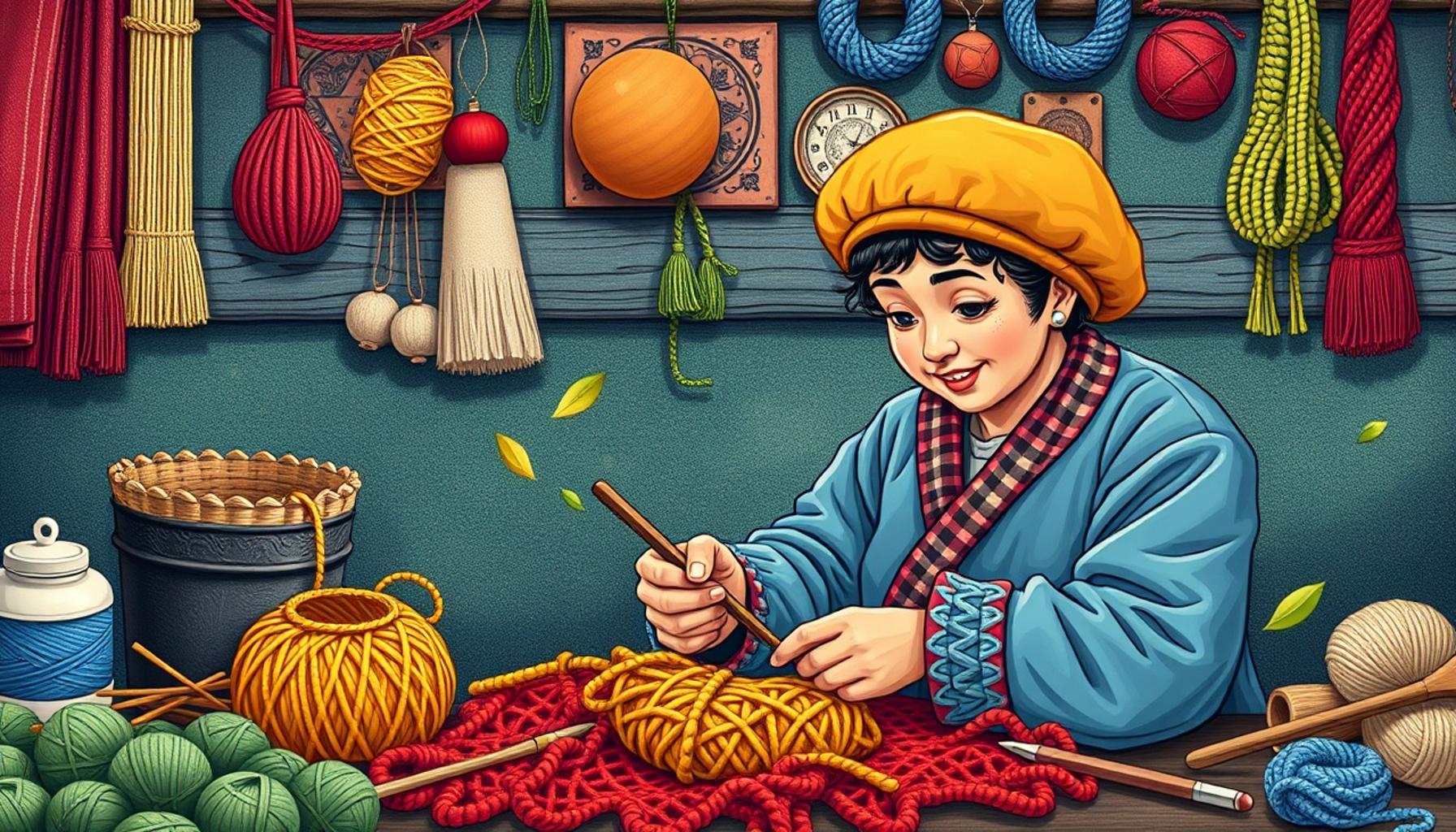
The resurgence of embroidery in the art world is not merely a trend; it reflects a profound shift in how we perceive and interact with textiles. Historically viewed as a traditional craft, contemporary embroidery is redefining itself as a serious art form that captivates diverse audiences. Artists are cleverly utilizing modern techniques to blend aesthetic beauty with intricate craftsmanship.
3D Embroidery: A New Dimension in Art
3D embroidery stands out as a transformative technique in the embroidery landscape. By employing layered stitching and unique applications, artisans are able to create designs that seem to jump off the fabric. For instance, artists might incorporate foam padding to create raised elements, which adds an unexpected tactile quality to their work. This depth provides visual interest that captures the viewer’s eye, inviting them to engage more closely with the piece. Exhibitions showcasing 3D embroidery have begun cropping up across art centers, emphasizing its potential as a true art form that challenges conventional boundaries.
Digital Embroidery: Precision Meets Creativity
In an age where technology intersects with traditional practices, digital embroidery has emerged as a game-changer. With computerized embroidery machines, artists can achieve a level of detail and precision that was previously unimaginable. These machines allow for intricate patterns and vibrant color gradients to be replicated with near perfection. For example, embroiderers can use software to create complex landscapes, portraits, and even abstract designs, which are then executed flawlessly by digital machines. This melding of art and technology has led to the creation of stunning pieces that resonate with a wider audience, thus expanding the market for textile art in the U.S.
Mixed Media: The Fusion of Art Forms
Mixed media embroidery is another innovative trend that emphasizes versatility in artistic expression. By fusing various materials—such as paint, fabric, and even photography—textile artists are stepping beyond traditional practices. For example, a work may combine hand-stitched embroidery with painted backgrounds, or layered photographs, enabling storytelling through diverse mediums. Artists like Casey O’Connell and Ann Wood have gained acclaim for their imaginative works that merge these elements, shifting the viewer’s perception of what fabric can achieve. Such approaches challenge the notion of embroidery as merely ornamental, showcasing its potential as a narrative-driven medium.
Moreover, the vibrant community surrounding embroidery in the United States has flourished alongside these practices. Social media platforms enable artists to share their creations, connect with likeminded individuals, and gain recognition on a larger scale. This has fostered a renewed appreciation for handmade crafts, with consumers increasingly gravitating towards unique, artisan-made goods that resonate with personal stories and cultural significance.
As we delve into the world of modern embroidery, it becomes clear that this art form transcends simple decoration. It transforms textiles into evocative narratives and distinct designs that resonate deeply with audiences. The journey of embroidery is not just about creating—it’s about crafting stories, memories, and connections. With such exciting advancements in techniques and materials, the potential for embroidery as a dynamic art form continues to expand. Explore this captivating landscape, and discover how modern embroidery is redefining our understanding of art and craftsmanship.
DISCOVER MORE: Click here to learn about sustainable cuisine
Unveiling Innovative Embroidery Techniques
The realm of modern embroidery is rich with innovation, each technique offering a fresh perspective on how textiles can become a vibrant medium for artistic expression. With skilled artisans pushing boundaries, we see a revolution in the ways embroidery is being conceptualized and executed, transforming ordinary fabric into extraordinary works of art. Below, we explore some groundbreaking techniques that are shaping this dynamic field.
Textured Stitching: Dimension and Depth
Textured stitching encompasses a variety of embroidery styles that emphasize tactile engagement. Techniques such as knotting, bullion stitches, and trapunto are increasingly popular among artists looking to create depth within their pieces. Textured stitching not only enhances the visual appeal but also invites viewers to experience a piece on a multi-sensory level. The raised stitches draw attention, creating a dance of light and shadow across the fabric that makes each piece feel alive.
Embroidery with Natural Materials
In an era marked by sustainability, artists are integrating natural materials into their embroidery practices. This trend involves using traditional threads alongside elements like plant fibers, seashells, and even reclaimed textiles collected from various sources. By incorporating these components, artists add a layer of narrative and meaning to their work. For instance, the popular practice of dyeing fabrics and threads with natural pigments sourced from plants has gained traction, leading to unique color palettes that capture the essence of the environment.
Surface Design Techniques: Beyond the Stitch
Surface design techniques have emerged as a compelling avenue for expanding the possibilities of embroidery. Methods such as screen printing, block printing, and painting have been adapted to complement stitching, effectively transforming a plain fabric into a canvas. Artists utilize these mixed techniques to create layers of imagery that tell multifaceted stories. For example, combining screen printing with embroidery opens the door to creating intricate narratives that reference societal issues, personal journeys, and cultural identities.
- Layering: This technique enhances depth by layering various materials and stitches.
- Manipulation of Fabric: Techniques like pleating or folding fabric can result in unexpected textures.
- Use of Recycled Materials: Artists are reimagining discarded items, giving them new life through embroidery.
As these innovative techniques proliferate throughout the United States, the body of work resulting from them showcases a diversity of voices and talents. Artists are forming communities that not only support each other but also push the discourse around embroidery as an evolving art form. By bridging the gap between traditional and contemporary, they encourage new generations to explore and redefine what textiles can represent. Each stitch becomes a powerful statement, creating avenues for dialogue and engagement in a world ever more connected through visual storytelling.
Exploring Modern Embroidery Techniques
In the realm of textile arts, modern embroidery techniques have revolutionized the way artists and designers approach the medium. The fusion of traditional skills with contemporary innovations has opened up a world of possibilities, allowing for the transformation of fabric into stunning works of art.
An essential aspect of this transformation is digital embroidery, a technique that utilizes advanced software and machinery to create intricate designs with precision. By leveraging technology, artists can produce high-quality, customizable pieces that cater to unique tastes and preferences. This allows for mass production without sacrificing individuality, paving the way for a new era of personalized textiles.
Furthermore, the trend of combining various textile techniques has gained momentum. Modern embroidery doesn’t shy away from incorporating other artistic elements, such as painting, quilting, and dyeing. This multidisciplinary approach not only enhances the visual appeal of the pieces but also adds depth and context to the narrative behind each artwork. As emerging artists experiment with these creative combinations, they challenge traditional perceptions of embroidery, prompting viewers to reconsider its role in contemporary art.
Additionally, sustainability has become a crucial topic within the realm of modern embroidery. Many artisans are now prioritizing eco-friendly materials and practices, leading to a resurgence of interest in natural dyes and upcycled fabrics. These environmentally conscious techniques not only address pressing global issues but also bring a new aesthetic dimension to embroidered pieces. The careful selection of materials becomes an integral part of the artistic process, telling a story that resonates with a socially aware audience.
As we delve deeper into the innovative world of modern embroidery, it becomes clear that each thread woven into the fabric carries significance; showing how this once-simple craft has evolved into a powerful medium for artistic expression.
| Category | Advantages |
|---|---|
| Digital Embroidery | Allows for high precision and customization, enhancing artistic expression. |
| Sustainability | Promotes eco-friendly practices and materials, appealing to socially conscious consumers. |
Through ongoing innovation and exploration of new technologies and sustainable practices, modern embroidery continues to inspire and engage audiences around the world. It transforms not just fabrics, but also our understanding of art itself.
DISCOVER MORE: Click here to learn how music can enhance your self-care journey
Revolutionizing Traditional Methods
As modern embroidery techniques proliferate, it is becoming increasingly clear that innovation often lies within the reinterpretation of traditional methods. Artists today are not merely adopting historical practices; they are evolving them to produce contemporary pieces that resonate with today’s societal narratives. This resurgence offers an exciting exploration of how embroidery can reflect a fusion of past and present.
Digital Embroidery: Technology Meets Art
The integration of technology into embroidery has birthed digital embroidery, a groundbreaking advancement that allows for precision and complexity previously unimaginable in traditional handwork. Utilizing embroidery machines paired with design software, artists can create intricate patterns and designs that retain the painstaking detail associated with hand-stitched work. This technique permits a rapid production of custom textiles, appealing to contemporary consumer demands while maintaining artistic integrity. Notable companies like Bernina and Brother have revamped their machines to offer capabilities that cater not just to crafters, but also to artists embracing this fusion of tech and craft.
3D Embroidery: Sculptural Elements
3D embroidery has emerged as a captivating way to explore physical form through stitching. By employing techniques like padded satin stitching and appliqué, artists can produce dimensional effects that add a sculptural quality to their work. These pieces challenge traditional embroidery perceptions, crossing the border into what can be described as textile sculpture. Not only do 3D techniques enhance the visual appeal, but they also invite viewers to engage with the piece tactility, making it an interactive experience. Artists like Amanda McCavour have beautifully utilized these techniques to create vibrant, three-dimensional landscapes that transform the viewer’s interaction with fabric.
Contemporary Storytelling Through Embroidery
Modern embroidery is increasingly recognized as a powerful tool for storytelling. Artists utilize personal narratives, cultural histories, and social commentary to breathe life into their work. The medium provides a unique canvas on which intricate dialogues around identity, heritage, and politics can unfold. For instance, artists like Sarah K. Benning weave personal narratives with demographic motifs, stimulating conversations about mental health and community. This storytelling aspect is particularly resonant in a nation as diverse as the United States, where embroidery becomes a means to express individual and collective experiences.
- Community Collaboration: Collective projects invite various voices to contribute, resulting in rich, layered narratives that represent diverse backgrounds.
- Social Activism: Artists are harnessing embroidery to address contemporary issues, using their work as a platform for advocacy and awareness.
- Exhibitions and Installations: Curators are increasingly featuring embroidery in gallery spaces, elevating it to fine art status and expanding its audience reach.
As the landscape of modern embroidery continues to shift, the result is an electrifying tapestry of ideas, techniques, and cultural significance. With artists at the helm reimagining what textiles can accomplish, there are no limitations on the potential for embroidery to serve as a potent form of artistic expression. This evolution not only enriches the craft but also broadens the lens through which textiles are perceived in contemporary art, inviting endless exploration and reinterpretation.
DISCOVER MORE: Click here to learn how to incorporate ecological practices in your cooking
Conclusion: A New Era of Textile Art
In conclusion, the landscape of modern embroidery has transformed dramatically, merging traditional craftsmanship with contemporary innovation to create a vibrant artistic medium. Digital embroidery has opened doors to precision and complexity, allowing artists to push the boundaries of textile art with the aid of technology. Coupled with 3D techniques, this art form has taken on a sculptural essence, challenging perceptions and inviting tactile engagement from viewers. The narrative potential of embroidery has also expanded, with artists employing the medium as a canvas for storytelling that encapsulates personal experiences, cultural identities, and social issues. This shift underscores the capacity of embroidery to resonate with diverse communities, fostering dialogue and reflection about pressing societal topics.
- Innovation and Tradition: The interplay of technology with traditional methods results in a dynamic artistic landscape that honors history while embracing the future.
- Engagement: As embroidery evolves into a vehicle for discourse, it captivates audiences and enriches our understanding of contemporary art.
- Artistic Collaboration: Community-driven projects amplify voices and perspectives, demonstrating the power of collective storytelling within the textile realm.
The ongoing exploration of modern embroidery techniques truly exemplifies how textiles can transcend their functional origins to emerge as profound forms of artistic expression. With each stitch, artists weave stories that not only reflect individual narratives but also challenge traditional aesthetics, inviting all of us to see embroidery not just as craft but as a testament to cultural evolution and creativity. As this art form continues to grow, one can only imagine the exciting directions it may take, marking a thrilling chapter in the history of textiles and art.