The Art of Upcycling: Transforming Recyclable Materials into Craft Pieces
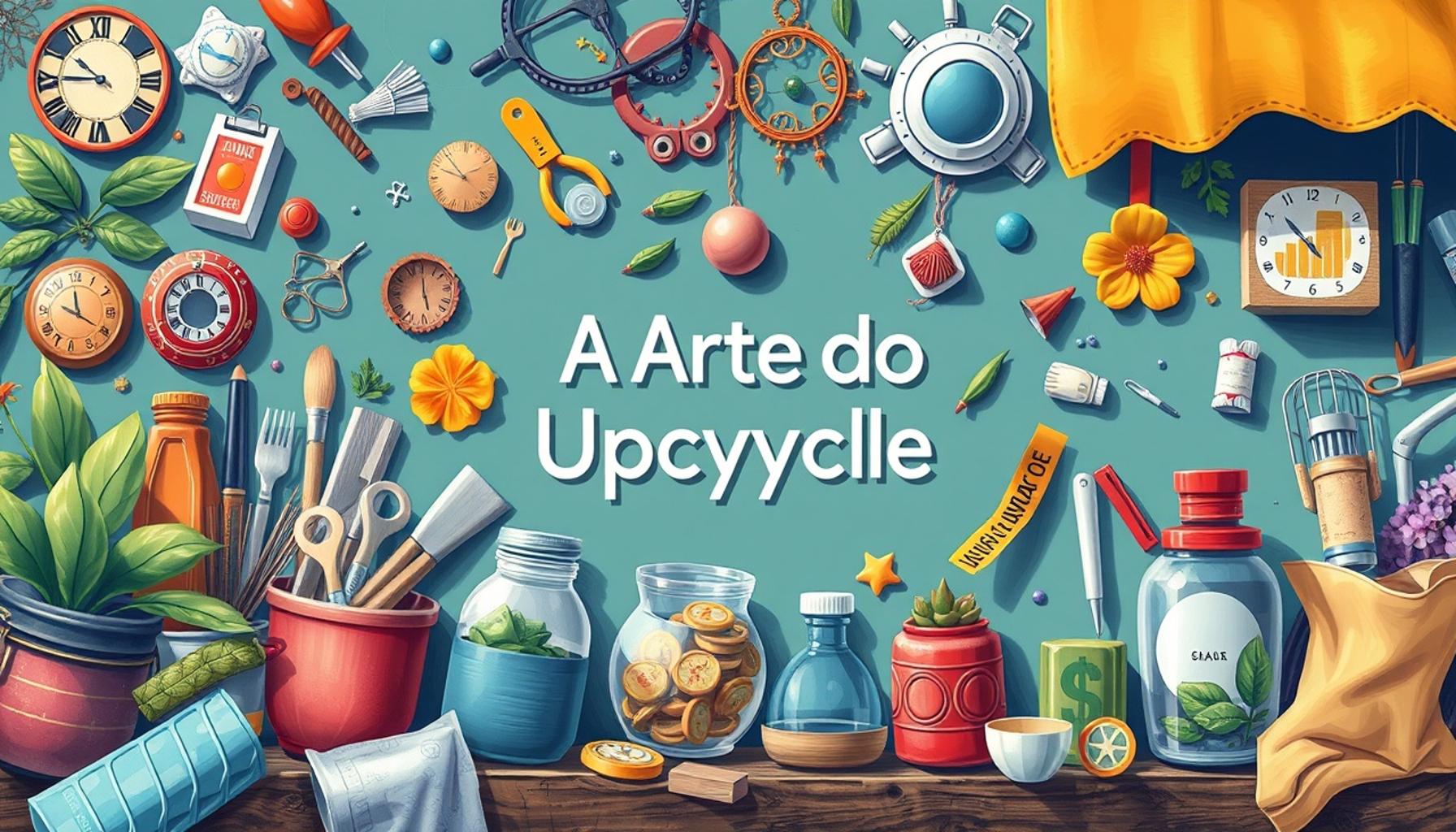
Unlocking Creativity Through Upcycling
In a world increasingly concerned about waste, the practice of upcycling has emerged as a beacon of innovation and creativity. Transforming recyclable materials into stunning craft pieces not only helps reduce landfill waste but also allows for unique self-expression. This movement encourages individuals to see potential in ordinary items that others might overlook, fostering a mindset that values creativity and sustainability.
Whether you’re a seasoned crafter or a newcomer to DIY projects, upcycling opens a treasure trove of possibilities. Many people are discovering that the act of turning what is deemed ‘junk’ into something beautiful can be both therapeutic and fulfilling. While your imagination is the limit, consider these popular materials:
- Glass Bottles: Old glass bottles can be transformed into aesthetically pleasing vases or enchanting lanterns. With just a bit of paint or string lights, these containers can brighten any space.
- Wood Pallets: These versatile structures can become a range of creations, from rustic furniture—like coffee tables and sofas—to captivating wall art and garden décor that adds a touch of nature to urban environments.
- Old Jeans: Denim can easily be repurposed into stylish bags, unique coasters, or even patchwork quilts that tell your personal story. There are many online tutorials that guide you in cutting and sewing these pieces back together in inventive ways.
- Cardboard Boxes: Rather than discarding your cardboard, transform it into organizers for your desk or fun sculptures for children’s playrooms. You can also create intricate models or dioramas that stimulate creativity in young minds.
Upcycling is more than just a craft; it’s a movement towards sustainability. By choosing to reimagine what others discard, artists and hobbyists alike contribute to a circular economy that values creativity and ecological responsibility. According to recent studies, upcycling can significantly reduce carbon emissions by cutting down on the production of new materials, further emphasizing its importance in addressing climate change.
Engaging with upcycling not only benefits the environment but also fosters community connections. Local workshops and online forums abound, inviting people to share their skills and inspire others. In cities across the United States, community centers and libraries often host events focused on upcycling, creating opportunities for individuals to engage and collaborate. This exchange of knowledge not only helps people learn new skills but also builds relationships and networks that can last a lifetime.
Are you ready to embark on this creative journey? Dive into the world of upcycling and discover how you can contribute to sustainable living while expressing your personal style. The only limit is your imagination; each transformed item tells a story while significantly impacting the planet for the better. Start today and be part of a growing community dedicated to responsible creativity!
DISCOVER MORE: Click here to dive into the science of cooking
Exploring the Techniques of Upcycling
The core of upcycling lies in its techniques, enabling individuals to creatively rejuvenate discarded materials. The alchemy of transforming everyday items into beautiful craft pieces requires not only a vision but also a set of practical skills. For many, learning these skills can be as exciting as the final product. Here’s an in-depth look at some popular methods and techniques used in the upcycling community:
- Decoupage: This technique involves applying decorative paper to surfaces—be it furniture, wooden boxes, or picture frames. By layering images or patterns, upcyclers can create personalized, artistic designs that breathe new life into mundane items.
- Painting and Staining: A simple coat of paint can work wonders. Whether you prefer the distressed look or a vibrant hue, paint can transform worn furniture or glass containers into striking statement pieces. Using eco-friendly paints can enhance the sustainability factor.
- Sewing and Stitching: For fabric-based materials like old clothes or linens, sewing is an essential skill. Crafters often repurpose textiles into bags, cushions, or patchwork quilts, allowing them to express their unique style while reducing waste.
- Mixed Media Collage: Upcycling is a holistic art form that embraces various materials. By combining paper, fabric, and even small plastic items, crafters can create stunning wall art, collages, or sculptures that intrigue and inspire.
As you delve into these techniques, consider the materials in your home that could be reimagined. Old furniture might just need a fresh coat of paint, while a collection of mismatched plates could transform into a colorful garden mosaic. The magic of upcycling is that creativity reigns supreme; the more you explore, the more ideas you will generate.
Also, it’s helpful to remember that experimenting is a key aspect of the upcycling process. Mistakes are inevitable, but they can lead to unexpected breakthroughs. Embrace the learning curve, and don’t shy away from trying unconventional combinations or methods. The upcycling community thrives on sharing these experiences, and many crafters take to social media platforms, not only to showcase their projects but also to provide tutorials and tips to aspiring artists.
Furthermore, the sustainability aspect of upcycling cannot be overstated. By choosing to repurpose materials rather than purchasing new ones, you contribute to a less wasteful culture. Studies show that the textile waste industry generates around 11 million tons of waste annually in the United States alone, highlighting the importance of finding alternatives to traditional consumption. As you embark on your upcycling journey, you become part of a larger movement advocating for environmental stewardship and responsible creativity.
In the next section, we will delve deeper into the benefits of upcycling, both for individuals and the planet, and explore how to start your upcycling adventure today.
| Advantage | Description |
|---|---|
| Environmental Sustainability | Upcycling significantly reduces waste by transforming discarded materials into valuable crafts, thereby promoting eco-friendly practices. |
| Creativity Enhancement | This art form encourages individuals to think creatively, using resources that may otherwise go to waste. It fosters innovative design as artisans repurpose everyday items into unique craft pieces. |
| Cost Effectiveness | Using recyclable materials can save money on supply costs. Many items can be found at home or local recycling centers, making upcycling not only sustainable but also affordable. |
| Community Building | Upcycling can unite communities through workshops and events focused on crafting. These gatherings help spread awareness about recycling efforts and integrate creative skills into local environments. |
Upcycling represents more than just a creative outlet; it embodies a transformative approach toward resource management and craftsmanship. As interest in sustainable living grows, embracing upcycling can foster a sense of community responsibility while equipping individuals with skills that can turn any recyclable material into a beautiful artifact. Each crafted piece tells a story and reflects the impact of mindful consumption. Therefore, engaging in upcycling not only contributes to a healthier planet but also nurtures the artistry within us all. Enter the world of upcycling to discover how your discarded items can become masterpieces, and join a vibrant community committed to sustainability and creativity.
DISCOVER MORE: Click here to dive deeper
Benefits of Upcycling: Creativity Meets Sustainability
The world of upcycling is not just an arena for artistic expression; it is also a powerful movement towards sustainability. As more individuals recognize the impact of their waste on the environment, the appeal of turning trash into treasure continues to grow. Beyond the aesthetic transformations, upcycling offers numerous benefits that can positively affect both the individual and the planet.
- Environmental Impact: One of the primary benefits of upcycling is its potential to decrease landfill waste. In the U.S., approximately 292.4 million tons of trash are generated each year, with a significant portion attributed to consumer goods. By choosing to repurpose materials instead of discarding them, individuals play a crucial role in minimizing waste, conserving resources, and reducing greenhouse gas emissions from landfills.
- Economic Savings: Upcycling can also be economically advantageous. With the rising costs of new products, many people are looking to save money without sacrificing style or quality. Upcycling provides a budget-friendly alternative; repurposing items you already own can save you from spending on new furniture or decor while allowing you to create unique pieces that stand out.
- Community Building: The upcycling movement fosters a sense of community among crafters and environmentalists. Workshops, crafting fairs, and online forums allow individuals to share ideas, techniques, and resources. By connecting with like-minded creators, you can find inspiration and support, enhancing your crafting journey and encouraging sustainable practices.
- Skill Development: Engaging in upcycling projects not only nurtures creativity but also develops valuable skills. From learning advanced sewing techniques to mastering tool use for furniture restoration, upcycled craft projects can expand your DIY toolkit. Acquiring hands-on experience can boost confidence and encourage the pursuit of more complex creations.
Beyond personal advantages, the ripple effect of upcycling policies can create larger systemic changes. Communities that prioritize recycling, reusing, and repurposing help to establish a culture of sustainability, influencing local governments and businesses to adopt more environmentally-friendly practices. For example, cities such as San Francisco have initiated composting and zero-waste goals, showcasing how community-led initiatives can significantly drive forward the upcycling agenda.
The educational component of upcycling is another noteworthy aspect. Schools, organizations, and NGOs are increasingly incorporating upcycling into their programs, teaching children and adults alike the importance of resourcefulness and environmental care. Through hands-on projects, individuals can visualize the impact of waste and see the tangible results of their creativity.
As you explore your upcycling journey, consider the potential of everyday items that may be lying around your house. Old wooden pallets can be converted into trendy furniture, while glass jars can transition into charming storage solutions or decorative lanterns. The possibilities are virtually endless, limited only by your imagination. Sharing your work on social media platforms can inspire others to follow in your footsteps, thus amplifying the effects of the upcycling movement.
The journey into upcycling is filled with exploration and discovery. In the subsequent section, we will guide you on how to kickstart your own projects and offer tips to cultivate a mindset focused on creativity and sustainability.
DISCOVER MORE: Click here to delve into the world of poetry
Embracing the Future Through Upcycling
In conclusion, the art of upcycling stands as a testament to the innovative spirit of humanity, seamlessly intertwining creativity, sustainability, and resourcefulness. As we navigate through an era marked by environmental challenges and excessive consumption, repurposing materials provides an elegant solution that extends beyond mere aesthetics. By transforming recyclable materials into unique craft pieces, individuals contribute significantly to reducing waste and conserving valuable resources.
Beyond its environmental impact, upcycling fosters a culture of creativity and self-expression. It encourages individuals to look at everyday items with fresh eyes, recognizing their potential to be reinvented into something new and beautiful. This transformative process not only saves money but also becomes a source of pride, as each crafted item tells a personal story of innovation and sustainability.
The ripple effects of the upcycling movement are profound. As communities come together to share their skills and ideas, a vibrant network emerges, inspiring others to adopt sustainable practices in their own lives. Schools and organizations integrating upcycling into their curricula further amplify this effect, nurturing a generation that values resourcefulness and environmental stewardship.
As you consider embarking on your own upcycling journey, remember that the possibilities are limited only by your imagination. From repurposing old furniture to creating art from discarded materials, each project is a step towards a more sustainable future. So gather your supplies, explore the creative potential around you, and join the movement to turn waste into treasure. The art of upcycling not only transforms materials but also paves the way for a greener planet, one craft piece at a time.