Collective Creativity: The Power of Groups in Artistic Creation and Innovation
The Power of Collaborative Creativity
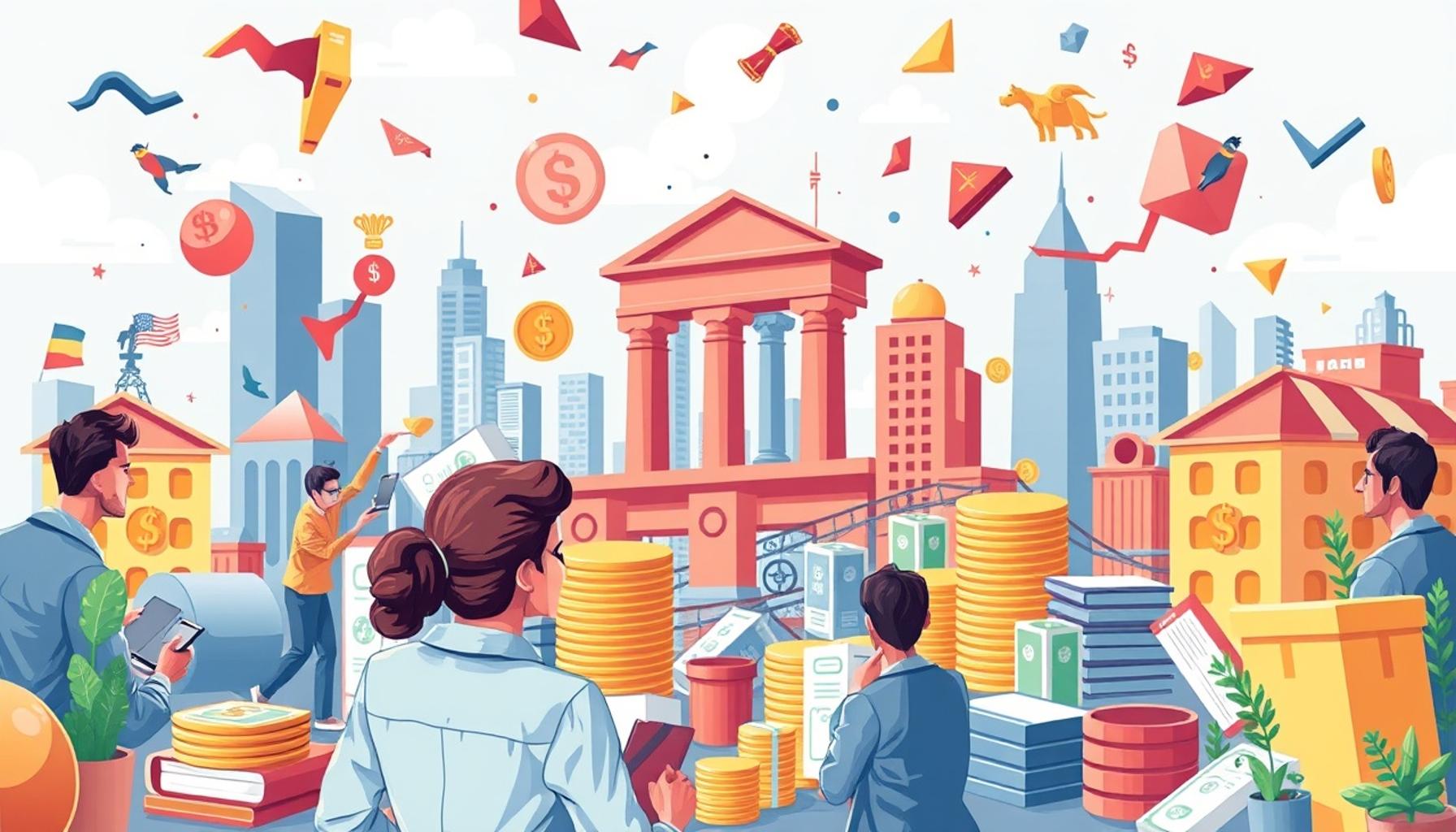
In an era where creativity is often celebrated as an individual trait, it’s essential to recognize the profound impact of collaborative efforts. Collective creativity harnesses the power of groups, resulting in innovative artistic creations that might never emerge from solitary endeavors. This fascinating interplay of minds leads to remarkable outcomes across various art forms.
The phenomenon of collective creativity is driven by several key factors. One of the most critical components is the diverse perspectives that groups bring together. When individuals from varied backgrounds, experiences, and skill sets collaborate, they contribute unique viewpoints that enrich the creative process. For example, consider the diverse team of artists behind a major community mural. Each artist’s different style and cultural experiences can lead to a more vibrant and layered piece of art than any single artist might create alone.
Another important aspect is the concept of synergy. When team members collaborate effectively, the result often surpasses what each individual could achieve on their own. This can be illustrated in the case of technology startups where brainstorming sessions lead to innovative solutions that redefine industries. For instance, those working together in agile development teams frequently find that their collaborative efforts can streamline problem-solving and expedite project completion more than individual contributions alone.
Cultivating an environment of inspiration and motivation is also vital to collective creativity. Being part of a creative team can inspire team members, activating fresh ideas and fostering a sense of camaraderie that fuels passion. This is especially evident in environments like writers’ workshops or open jam sessions among musicians, where the energy produced by collective contribution excites and propels individual creativity.
Numerous projects illustrate the transformative power of collective creativity. Take the musical collaborations of bands like The Beatles, who revolutionized music through collective songwriting, merging their distinctive talents to produce timeless classics. Additionally, blockbuster films such as “The Avengers” highlight the significance of teamwork, blending varied talents—from writers and directors to actors and cinematographers—to create cinematic masterpieces.
Moreover, community art projects exemplify how collective creativity can elevate cultural dialogues in neighborhoods. Initiatives that bring local artists together, such as “Paint the Block” projects, enable communities to showcase their cultural identity while beautifying their environment. These efforts not only create aesthetically pleasing spaces but also foster a sense of belonging and unity among residents.
This exploration into the dynamic world of group creativity reveals how collaboration shapes not only the arts but also enhances community engagement and innovative problem-solving strategies. By embracing collective creativity, we are not just creating art; we are building bridges, fostering relationships, and driving societal progress. As we delve deeper into the world of collaborative creative endeavors, it becomes clear that our greatest artistic achievements often arise when we work together to share ideas, talents, and passions.
DISCOVER MORE: Click here to dive deeper
Unlocking Innovation Through Group Dynamics
The essence of collective creativity lies in the unique synergy created when diverse individuals come together to collaborate. This collaboration facilitates a richer exploration of ideas, where the fusion of different thoughts and experiences often leads to groundbreaking artistic innovations. But what mechanisms drive this synergy? Understanding these dynamics is key to harnessing the full potential of group creativity.
One essential factor in fostering creative collaboration is the principle of inclusivity. When a group embraces inclusivity, it opens the doors to a broader array of voices, ideas, and solutions. Each member’s identity and experiences contribute to a collective pool of knowledge that enhances the creative process. For instance, the renowned art collective “The Guerrilla Girls” utilizes the diverse backgrounds of its participants to challenge stereotypes and advocate for gender equality in the art world. Their innovative approach showcases how a shared mission—coupled with diverse contributions—can lead to impactful creations.
Moreover, effective communication plays a pivotal role in collective creativity. Open dialogue and the ability to express thoughts without fear of judgment allow groups to explore unconventional ideas. Techniques like brainstorming sessions or idea-sharing circles enable participants to voice their ideas freely. Studies indicate that groups that adhere to clear communication norms and practices are likely to produce higher-quality outcomes. Implementing structured discussions can assist groups in refining their artistic concepts while ensuring every member’s perspective is valued.
- Active Listening: Encourage team members to actively listen to one another. This practice builds trust and fosters deeper connections.
- Constructive Feedback: Providing and receiving constructive criticism ensures a continuous flow of improvement in ideas and execution.
- Flexibility: Allowing room for spontaneity can lead to unexpected yet compelling directions in the creative process.
Additionally, the role of a creative leader can significantly influence the success of collaborative projects. A leader who emphasizes creating an inclusive environment, facilitates communication, and encourages participation can harness the group’s creativity effectively. However, it is essential to understand that collective creativity is not solely dependent on one individual; rather, it thrives in a network where everyone feels empowered. For example, in the vibrant realm of dance, ensembles like “Alvin Ailey American Dance Theater” showcase how each dancer contributes their unique flair, resulting in performances that transcend the sum of their parts.
Understanding the cultural significance of collective creativity extends beyond mere artistic representation. It reflects the shared identity and values of the community involved. Programs that focus on collective art and expression foster social connections, enhance cultural pride, and provide a medium for storytelling. Events like community theater productions and collaborative art installations allow individuals to voice their narratives, cultivating a sense of belonging and promoting social cohesion.
As we delve deeper into the intricacies of collective creativity, it becomes evident that the art created through collaboration serves not just as a canvas of individual talents, but as a reflection of the collective human experience. This exploration of shared creativity not only invites innovation but also works as a catalyst for cultural dialogues, ultimately enriching the very fabric of our society.
| Advantages | Description |
|---|---|
| Diverse Perspectives | When individuals collaborate, they bring varied viewpoints, spurring innovation and enriching artistic outcomes. |
| Enhanced Creativity | Groups often generate more ideas due to collective brainstorming, which can lead to unique artistic expressions and solutions. |
| Supportive Environment | Working in teams fosters encouragement, allowing artists to take risks and explore new directions in their work. |
| Access to Resources | Collaborative efforts often lead to shared resources including skills, tools, and networks that enhance artistic projects. |
Collective creativity serves as a powerful catalyst for artistic innovation. The amalgamation of diverse perspectives results in a rich tapestry of ideas, often leading to groundbreaking artistic achievements that would be less likely in isolation. Furthermore, the collaborative environment fosters risk-taking, where artists feel empowered to venture outside their usual boundaries, thereby enriching the overall creative process. By pooling together different skills and resources, groups can not only amplify their individual talents but also create work that resonates on a broader scale. Exploring the dynamics of group collaboration can reveal invaluable insights into the transformative nature of collective creativity in the arts.
DIVE DEEPER: Click here to uncover the magic of musical storytelling
The Impact of Diverse Perspectives on Creative Output
As we explore the realm of collective creativity, it becomes clear that the power of groups extends beyond just collaboration; it fundamentally relies on the rich tapestry of diverse perspectives that each member brings to the table. These varying viewpoints serve as catalysts for innovation, pushing the boundaries of traditional thought and sparking novel ideas that can redefine artistic expression.
Research shows that groups composed of individuals with different backgrounds, ideologies, and skill sets tend to outperform homogenous teams in creative tasks. For instance, a study conducted by the Boston Consulting Group found that companies with more diverse management teams generate 19% more revenue from innovation than their less diverse counterparts. This principle applies to artistic endeavors as well. Consider the popular television show “Saturday Night Live,” which merges the unique comedic styles of writers and performers from various backgrounds. The resulting sketches often lead to culturally relevant and provocative humor that resonates with a broader audience.
Incorporating diverse perspectives into the creative process not only enhances the richness of ideas but also encourages risk-taking. When artists and innovators feel supported by a collaborative environment that embraces different viewpoints, they are more likely to explore unconventional concepts. The famed artist Yayoi Kusama, known for her immersive installations featuring polka dots and mirror rooms, often credits her unique visual style to her experiences and interactions with a variety of artistic influences. Her work exemplifies how tapping into diverse ideas can yield exceptional outcomes that challenge conventional norms.
The Role of Technology in Fostering Collaboration
In today’s digital age, technology plays a significant role in enhancing collaborative creativity. Virtual collaboration tools and platforms, such as Google Workspace, Slack, and Miro, have revolutionized the way creative groups interact, regardless of geographical barriers. These technologies facilitate real-time brainstorming, allow for seamless sharing of ideas, and promote a culture of continuous feedback.
Moreover, social media platforms have emerged as powerful tools for connecting artists and creators from all over the world. Artists can easily share their work, receive critiques, and collaborate with others in real time. For example, “Inktober,” an online drawing challenge, encourages artists globally to share their interpretations of daily prompts. This collective engagement fosters a sense of community and collective growth, showcasing how technology can amplify the collective creative process.
Case Studies of Successful Collaborative Art Projects
Several prominent artistic movements and projects illustrate the effectiveness of collective creativity. The “AIDS Memorial Quilt” is a prime example, where thousands of individuals contributed their panels to honor those lost to the AIDS crisis. This project not only resulted in a poignant artistic expression of loss and remembrance but also highlighted the communal support and activism inherent in collaborative creativity. The quilt’s impact transcended art, becoming a powerful symbol of social change and awareness.
Similarly, the phenomenon of street art has seen a surge in collective projects, where graffiti artists collaborate on massive murals that reflect social issues and cultural themes. The “One Wall” initiative brings together artists and community members to create murals that resonate with local narratives. This type of collaboration not only beautifies urban landscapes but also encourages dialogue around identity and social justice.
By examining these examples, we can see that collaborative creativity is not a mere product of individual talents coming together; rather, it is an intricate interplay of diverse ideas, technological advancements, and social intentions that culminate in innovative artistic expressions. The exploration of such interactions can lead us to understand just how vital collective creativity is to the evolution of art and culture.
DISCOVER MORE: Click here to dive deeper
Conclusion: Embracing Collective Creativity for a Bold Future
As we conclude our exploration of collective creativity, it is evident that the synergy derived from collaboration is a powerful engine for innovation and artistic expression. The dynamic interplay of diverse perspectives fuels not only creativity but also empathy and understanding, enabling creators to push the boundaries of conventional art forms. Through the examples discussed—from the moving AIDS Memorial Quilt to the vibrant murals of community-driven street art—we see how collaborative efforts can spark transformative dialogues and foster social change.
Moreover, technology’s role in facilitating these connections cannot be overstated. Digital platforms have broken down geographical barriers, allowing artists to collaborate in real-time, share their visions, and engage with audiences across the globe. This enriched interaction not only revitalizes the creative process but also ensures that artistic endeavors are more accessible and inclusive than ever before.
Looking to the future, embracing collective creativity will be essential as we navigate an increasingly complex world. By harnessing the strengths of collaboration, we open the door to unexpected innovations and diverse expressions that reflect our shared human experience. As artists and creators unite their unique voices, the potential for groundbreaking work is limitless, paving the way for a vibrant tapestry of art that resonates across cultures and generations. In this interconnected age, let us continue to champion the power of groups in artistic creation and innovation, for it is through collaboration that we truly discover the depth and beauty of our collective imagination.
Related posts:
The Reinterpretation of Classics: Contemporary Artistic Creation Based on Historical Works
The Art of Free Drawing: Exploring Creative Liberation Through Improvisation
The Role of Digital Art in Redefining the Boundaries of Traditional Creation
The Influence of Colors on Artistic Creation: Psychology and Emotions in Creative Expression
The Performative in Art: The Creation of Interactive Experiences as a Form of Expression
The Influence of Music on Artistic Creation: How Sounds and Rhythms Inspire Visual Works

Beatriz Johnson is a seasoned skincare specialist and writer with a passion for simplifying the complexities of beauty science and skincare routines. With over a decade of experience in the aesthetics industry, she specializes in topics like ingredient efficacy, anti-aging strategies, and global beauty trends. Through her work, Beatriz empowers readers to make informed skincare choices and stay ahead in the ever-evolving world of beauty and wellness.