The Reinterpretation of Classics: Contemporary Artistic Creation Based on Historical Works
Reinterpreting the Classics in Contemporary Art
As modern artists navigate the intricate tapestry of cultural influences, the conversation between classical art and contemporary expression has become increasingly compelling. This merging of timelines is not merely a nostalgic glance at the past, but rather a robust dialogue that urges audiences to explore the contexts and meanings of historical artworks through a modern lens. By revisiting classical themes, artists infuse new life into art, prompting viewers to engage in deeper contemplation about society’s evolving narratives.
Revival of Techniques
One fascinating aspect of today’s art scene is the revival of traditional techniques. Contemporary artists often employ age-old practices such as oil painting, fresco, or printmaking, but with innovative twists that resonate with today’s audience. For instance, celebrated artist Kehinde Wiley masterfully blends the techniques of traditional portraiture with contemporary imagery, creating striking works that challenge conventional representations of African American identity. By juxtaposing historical styles with modern subjects, Wiley not only honors classical traditions but recalibrates them to address current societal issues.
Addressing Current Issues
In the modern milieu, reimagined classics frequently serve as platforms to discuss pressing social, political, and cultural issues. Artists like Ai Weiwei utilize their reinterpretations of historical events to raise awareness about human rights and freedom of expression. His installations often draw parallels between ancient struggles and contemporary challenges, inviting audiences to recognize shared human experiences across time. Such works compel the viewer to not only appreciate the art but also to confront the realities that persist in our world.
Blending Genres
The intersection of different art forms has burgeoned, leading to a fusion that creates intriguing new experiences. The blending of theater, visual arts, and digital mediums results in immersive projects that captivate audiences. A prime example can be found in works like “The Lion King: The Gift,” which merges the world of musical theater with visual storytelling, incorporating visual art elements that pay homage to African cultural traditions. This cross-pollination enhances the engagement with both classical influences and contemporary narratives.
Notable Contemporary Works
Examples abound of artists who encapsulate this exhilarating trend:
- Yayoi Kusama’s reinterpretation of Vincent van Gogh’s masterpieces exemplifies this fusion, as her immersive installations carry visitors through an explosion of color and form that redefines Van Gogh’s iconic works.
- William Kentridge’s animated adaptations of Egyptian history illuminate issues such as migration in a visually stunning manner, presenting complex narratives that resonate with today’s global challenges.
- Robin Rhode’s street art often invokes classical motifs, embedding them in urban environments and reflecting vibrant community culture, serving as direct commentary on social dynamics.
These artistic endeavors are emblematic of a broader movement that seeks to bridge the gap between past and present. As contemporary creators draw on the foundations of historical art, they encourage viewers to embark on their own journeys of interpretation. This exciting convergence not only enhances our appreciation of art but also prompts crucial dialogue about how we relate to our shared history, creating a richer understanding of the human experience across generations.
DISCOVER MORE: Click here to learn about the magic of musical improvisation
Reviving Historical Narratives through Modern Art
The reinterpretation of art classics in contemporary settings creates a dynamic playground for exploring historical narratives in fresh ways. In a world increasingly characterized by rapid change and uncertainty, modern artists frequently look to the past as a source of inspiration, deriving meaning from classical works while contextualizing them within current cultural dialogues. This artistic conversation often serves as a vehicle for social critique, illuminated by the lens of contemporary perspectives. As such, reinterpreting historical art not only rejuvenates its relevance but also allows for challenging discussions surrounding subject matter, themes, and the artists’ intentions.
Imagining Alternate Realities
One of the most compelling ways in which contemporary artists engage with classical works is through the imagination of alternate realities. Instead of merely recreating or mimicking their predecessors, these artists utilize historical frameworks as a springboard to explore new stories and perspectives. For example, artist Yasumasa Morimura is well-known for inserting himself into classical paintings, effectively questioning notions of identity, race, and gender. His interpretations of famous works, such as those by Velázquez and Manet, allow audiences to explore the implications of cultural appropriation and representation in art. By reimagining historical masterpieces, Morimura forces viewers to reconsider traditional art narratives and their significance in contemporary society.
Digital Innovation and Accessibility
The advent of digital technologies has further amplified the reimagining of classic art forms. Artists today are harnessing platforms like virtual reality and augmented reality to create immersive experiences that transform the viewer’s interaction with art. Projects such as the Google Arts & Culture platform allow users to explore high-resolution images of classic artworks, affording new levels of engagement. In this setting, contemporary creators can play with digital elements and interfaces that challenge the conventional, physical space of galleries. A stunning example is the use of VR to reconstruct famous historical settings, allowing audiences to step into an artwork’s environment and explore its historical context firsthand.
Cross-Cultural Dialogues
The reinterpretation of classics also opens the door to cross-cultural dialogues that expand upon historical themes. Contemporary artists often incorporate elements from diverse cultural backgrounds, enriching the discourse surrounding classical works. For instance, Bhupen Khakhar, an acclaimed Indian painter, blended Western artistic traditions with Indian storytelling, creating works that resonate with both local and global audiences. This exchange not only catalyzes deeper interactions between cultures but also emphasizes the universality of human experiences echoing throughout history.
- Marina Abramović integrates performance art with historical references to explore the boundaries between artist and audience, often invoking themes famously encapsulated in classical works.
- Julie Mehretu’s intricate paintings draw from cartography, architecture, and history, reflecting current sociopolitical dynamics while intertwining profound historical narratives.
- Rashid Johnson employs materials such as shea butter and black soap to evoke identity and heritage, creating modern tapestries that reference African art history.
Through these innovative and diverse approaches, artists today not only preserve the legacy of historical masterpieces but also invigorate their meanings, urging contemporary audiences to engage thoughtfully in the ongoing dialogues surrounding identity, culture, and history. By redefining these classics, modern interpretations encourage individuals to reflect on their own roles within the narrative of art, enriching the overall human experience.
The Reinterpretation of Classics: A Fusion of Old and New
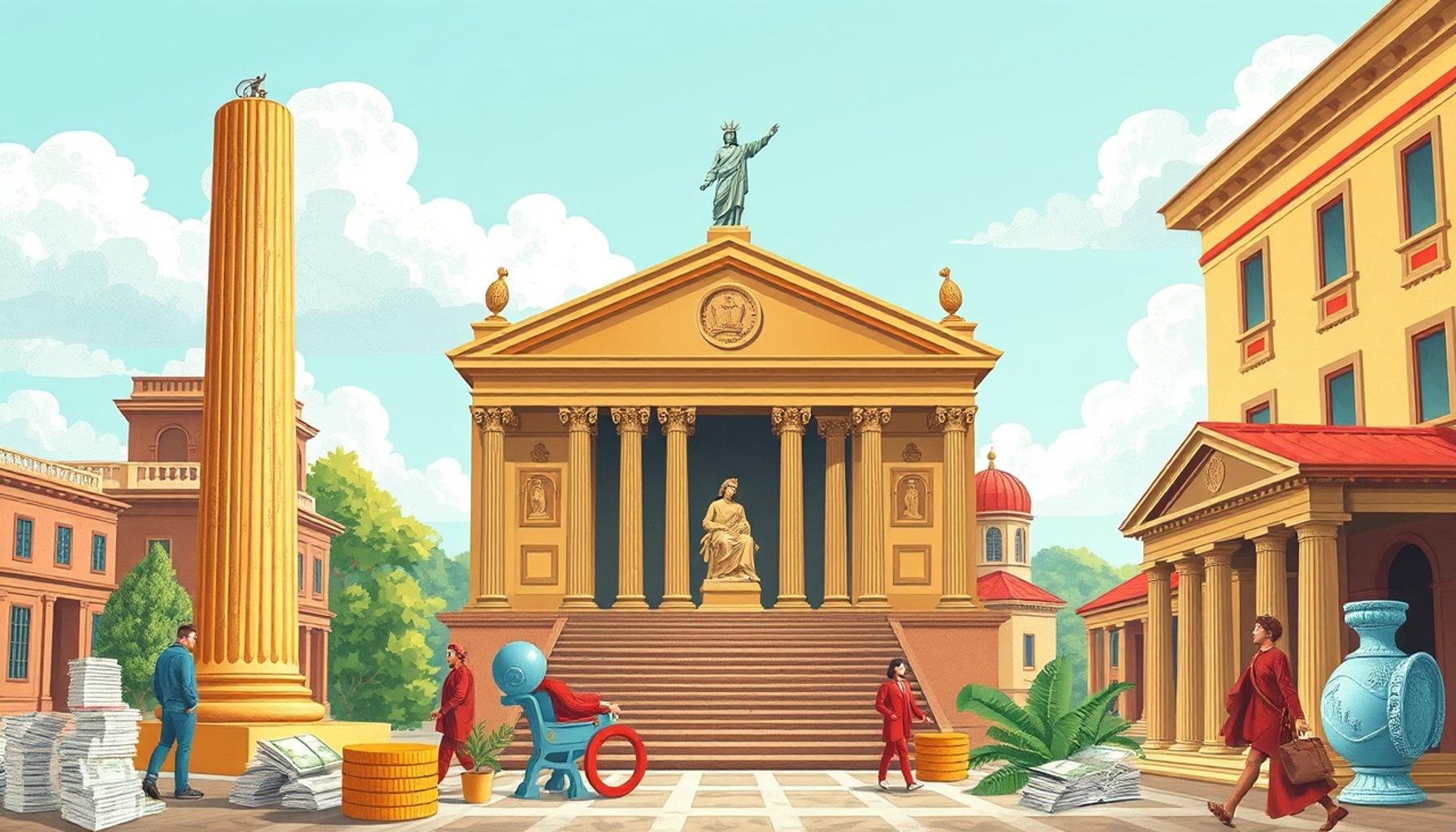
The contemporary artistic landscape is increasingly marked by a profound reinterpretation of classics, where historical works are not simply imitated but are re-envisioned to resonate with today’s audiences. Artists today harness the rich narratives and stylistic elements of classical art, weaving in modern themes that challenge or complement the original messages. This process breathes new life into the classics, allowing them to engage with pressing contemporary issues such as identity, social justice, and technology.One vivid example of this is seen in modern reinterpretations of classical sculptures. Artists have taken iconic figures from antiquity and reimagined them through a lens of modernity, utilizing mixed media, technology, and even interactive installations. This approach not only preserves the essence of historical works but also makes them relevant to current societal conversations. The emotional engagement with these pieces is heightened as viewers can recognize and relate to the themes presented, demonstrating the timeless nature of the human experience.Moreover, the phenomenon of revisiting and reshaping classical art encourages a dialogue between the old and the new, fostering an intellectual exchange that enriches the cultural narrative. Just as the classics influenced past generations, contemporary artists are contributing to a dynamic continuum of artistic expression, prompting questions about originality, authenticity, and cultural appropriation. As we explore these contemporary artistic creations, the invitation to discover varied interpretations of the classics becomes clear. The intersection where history meets innovation opens new avenues for appreciation and understanding, allowing audiences to see familiar art in an entirely new light. It beckons them to unravel the layers of meaning that emerge when historical context is merged with the nuances of today’s world.
| Category 1 | Category 2 |
|---|---|
| Cultural Relevance | Highlights enduring themes of human experience. |
| Innovation | Blends traditional techniques with modern methodologies. |
This evolving dialogue around classical works not only enriches the existing artistic dialogue but also invites a broader audience to engage in the rich tapestry of history and its relevance to modern life. As artists delve deeper into historical works, the reinterpretation of these classics will continue to evolve, ensuring their place in the ever-changing landscape of contemporary art.
DISCOVER MORE: Click here to dive deeper
Challenging Ideologies and Expanding Perspectives
As contemporary artists delve into the realm of classical reinterpretation, they engage not only with aesthetic elements but also with the ideologies underlying historical works. By reexamining the context in which classical pieces were created, modern artists can critically assess and often dismantle prevailing narratives that have persisted over time. This practice enables audiences to confront uncomfortable truths about history, power dynamics, and cultural representations.
Subverting Traditional Narratives
One significant aspect of reinterpretation is the subversion of traditional narratives that have historically marginalized certain voices. For instance, artist Kara Walker utilizes silhouettes that starkly contrast the romanticized depictions of African American history often found in classical art. Her installations, which highlight the brutality of slavery and the complexities of race, challenge viewers to reconsider the narratives surrounding these historical events. Walker’s work pushes the boundaries of classical representations to underscore the ongoing racial injustices that echo through society today.
Rediscovering Female Perspectives
Another powerful trend in contemporary reinterpretation is the elevation of female perspectives and experiences that were often absent in classical art. Women artists are reclaiming their place in art history by creating works that reflect their unique narratives. For example, Louise Bourgeois reimagined themes of femininity, motherhood, and domesticity, reinterpreting classical motifs to express female autonomy and psychological depth. By subverting traditional depictions of women, Bourgeois encourages a reassessment of the roles women have inhabited throughout art history, thus contributing to a more inclusive understanding of these classical works.
Interactivity and Viewer Engagement
In the digital age, the reinterpretation of classics often extends beyond the canvas and into the realm of interactivity. Contemporary artists are increasingly creating works that demand viewer participation, transforming the art experience from passive observation to active engagement. Installations by artists like Olafur Eliasson employ interactive elements that encourage audiences to reflect on their connection to the artwork and its historical foundations. Eliasson often integrates natural phenomena and environmental issues into his work, prompting spectators to consider the pressing global crises in the context of timeless artistic themes.
Art as Activism
Furthermore, modern reinterpretations frequently serve as forms of activism, drawing from classical influences to address today’s pressing social issues. The work of Ai Weiwei, for instance, upends the traditional modes of political engagement found in historical art by incorporating social commentary into his installations. His reinterpretation of classical motifs allows for a fresh dialogue about freedom of expression, human rights, and surveillance. Through works that draw upon classical aesthetics, Ai Weiwei invites audiences to reflect deeply on the ramifications of historical events and their relevance in contemporary society.
- Faith Ringgold’s narrative quilts combine storytelling with art, recontextualizing historical events through a distinctly feminist and African American lens.
- Yoko Ono’s participatory art pieces, such as “Wish Tree,” create spaces for collective hope and healing, echoing and reinterpreting classical themes of aspiration and community.
- Wangechi Mutu blends collage, sculpture, and video to explore themes of gender, race, and the body, re-envisioning classical representations of femininity in a post-colonial context.
Through these multifaceted approaches, contemporary artists not only breathe new life into historical works but also foster essential conversations about our societal structures and identity. By revisiting the classics with a critical and innovative mindset, artists pave the way for a more comprehensive understanding of art’s role in reflecting and shaping cultural dialogues, making classics a part of transformative experiences in today’s society.
DISCOVER MORE: Click here to dive deeper
Conclusion: Bridging Past and Present through Artistic Reinterpretation
The reinterpretation of classics in contemporary art serves as a powerful conduit between historical narratives and modern perspectives. Through innovative approaches, artists like Kara Walker, Louise Bourgeois, and Ai Weiwei challenge traditional representations, highlighting marginalized voices and reshaping the discourse surrounding familiar themes. By critically engaging with the ideologies embedded in historical works, contemporary artists invite audiences to question long-standing narratives and acknowledge the complexities of our shared past.
This dynamic exchange between classical influences and modern expression not only enriches our understanding of art but also encourages a broader conversation about social, cultural, and political issues. The integration of interactivity and viewer participation further transforms conventional art experiences, making them more relatable and impactful in today’s society. In this way, artists are not just reinterpreting the classics; they are actively redefining the role of art as a form of activism and a vehicle for social reflection.
As we continue to witness the evolution of artistic expression informed by historical works, the potential for re-envisioning our cultural landscape remains vast. By embracing the reinterpretation of classics, we contribute to an ongoing dialogue that honors the past while paving the way for a more inclusive and critical artistic future. Art thus becomes a lens through which we can explore our identities, confront uncomfortable truths, and inspire meaningful change in the world around us.
Related posts:
The Role of Digital Art in Redefining the Boundaries of Traditional Creation
The Evolution of Artistic Creation: How Modern Technologies Are Transforming Creative Hobbies
The Intersection of Art and Nature: Creating Sustainable Works with Natural Materials
The Art of Free Drawing: Exploring Creative Liberation Through Improvisation
The Influence of Colors on Artistic Creation: Psychology and Emotions in Creative Expression
The Performative in Art: The Creation of Interactive Experiences as a Form of Expression

Beatriz Johnson is a seasoned skincare specialist and writer with a passion for simplifying the complexities of beauty science and skincare routines. With over a decade of experience in the aesthetics industry, she specializes in topics like ingredient efficacy, anti-aging strategies, and global beauty trends. Through her work, Beatriz empowers readers to make informed skincare choices and stay ahead in the ever-evolving world of beauty and wellness.