
The Intersection of Art and Nature: Creating Sustainable Works with Natural Materials
Exploring the Fusion of Creativity and Sustainability
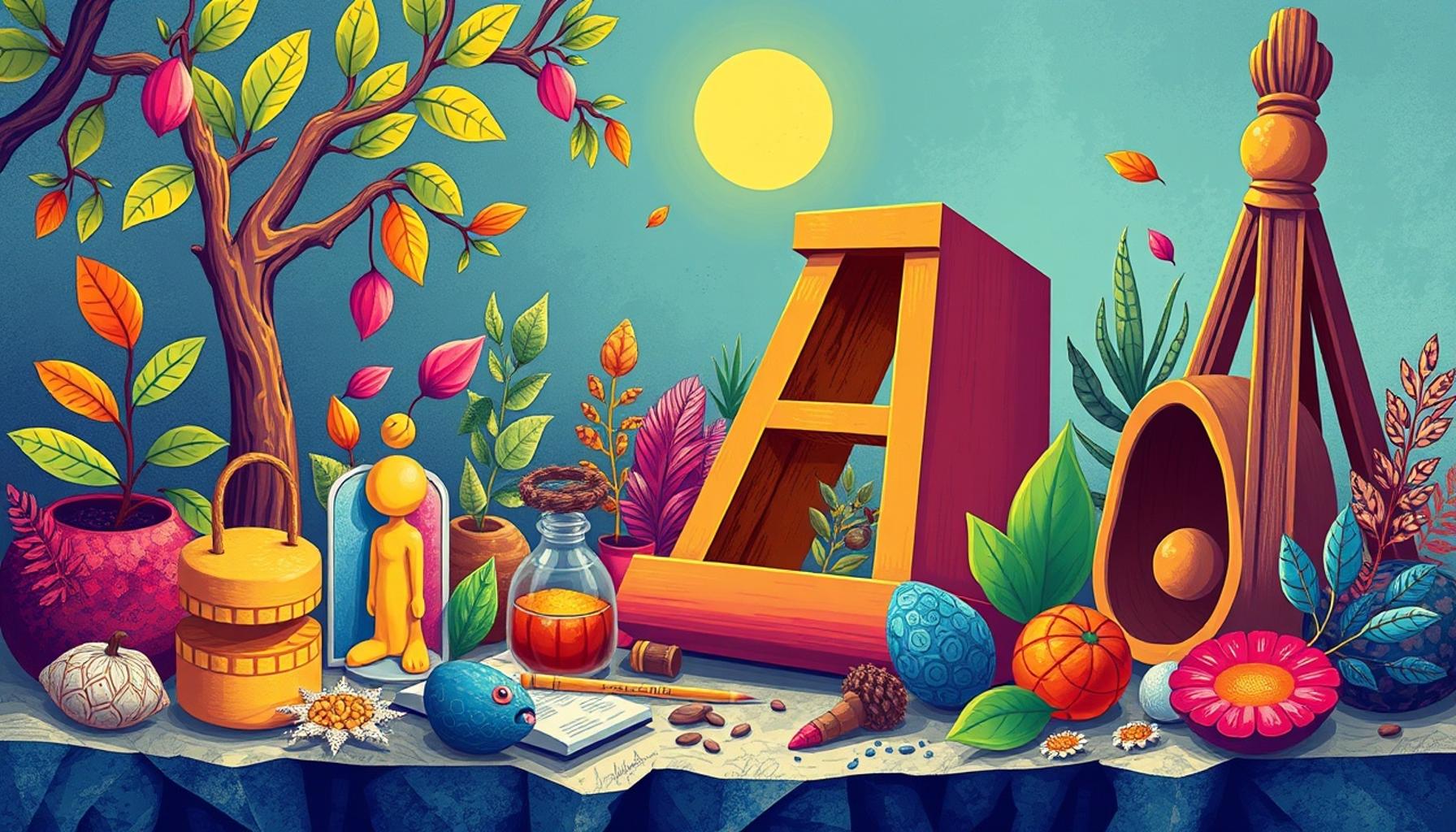
Art and nature share a profound relationship that has inspired countless creators over the centuries. In contemporary society, this connection is evolving, as artists increasingly embrace sustainable practices by incorporating natural materials into their works. This shift reflects a growing awareness of the environmental challenges facing our planet and an understanding that art can play a crucial role in addressing these issues.
Many artists today seek to encourage environmental consciousness, making intentional choices that reflect their commitment to sustainability. For example, a painter may choose to use organic pigments derived from plants rather than synthetic options that contain harmful chemicals. This not only reduces their ecological footprint but also enriches their artwork with unique textures and hues that can only be achieved through natural means.
Furthermore, the use of natural materials is becoming increasingly prevalent in contemporary art practice. Elements such as wood, stone, clay, and plants are being utilized in innovative ways, emphasizing our deep connections to the earth. Some sculptors, for instance, create pieces from reclaimed wood, transforming what was once considered waste into striking works of art that highlight both beauty and sustainability. This approach challenges viewers to reconsider their perceptions of value and waste.
Another significant aspect of this movement is community engagement. Many artists are collaborating with local communities to promote education around sustainability. Projects like community gardens or public art installations made from locally sourced materials not only beautify neighborhoods but also foster a sense of collective responsibility toward the environment. Additionally, these initiatives often involve community workshops, where participants learn about renewable practices through creative expression.
A notable example of this trend is the installation art space known as the Tempelhof Project in Berlin, which has inspired similar initiatives in the United States. Artists use recycled materials to create immersive landscapes that invite viewers to reflect on their relationship with nature. Installation pieces made entirely from biodegradable substances prompt serious conversations about waste and the lifecycle of products we often take for granted.
As this trend continues to grow, a rich tapestry of anecdotes and innovations is emerging from artists across the United States. Local festivals that celebrate eco-art, such as the EcoArt Festival in Portland, showcase artworks that highlight contemporary ecological themes while encouraging visitors to engage with their environment creatively. By participating in this vibrant movement, we can appreciate art in new ways and gain a deeper understanding of the significance of sustainable practices, not just in the art world, but in our daily lives as well.
EXPLORE MORE: Click here to delve into the world of free drawing
Innovative Approaches to Sustainable Art
As artists dive deeper into the realm of sustainability, innovative approaches emerge, enabling them to blend their creative visions with a commitment to environmental stewardship. One fascinating development in this area is the use of biodegradable materials that not only provide aesthetic value but also minimize ecological impact. For example, some artists are experimenting with natural fibers such as hemp, jute, and cotton, creating textiles that can decompose without leaving harmful residues. The vibrant, organic nature of these materials contributes to a more honest expression of art that resonates with the cycle of life itself.
Natural materials present an array of possibilities and challenges. Here are some transformative ways artists are incorporating them into their work:
- Upcycling and Repurposing: Many artists are breathing new life into discarded objects. By transforming items such as bottles, tires, and metal scraps into striking art pieces, they not only challenge conventional notions of beauty but also confront the issues surrounding waste in consumer culture.
- Natural Sculptures: Artists are increasingly using raw elements like mud, grass, and stones to create site-specific sculptures that harmonize with their surroundings. These pieces often evoke a sense of place and foster deeper connections between the viewer and nature.
- Living Art: Some innovative creators are exploring the realm of living art, incorporating plants and organic life into their pieces. These installations evolve over time, taking on new forms and inviting viewers to witness the changes that occur as nature interacts with art.
In a world where consumerism often overshadows creativity, these new directions encourage a more sustainable philosophy in the arts. Artists wield their brushes, chisels, and tools not only to create visually stunning work but also to evoke an emotional response toward nature conservation. This bridge between artistry and environmental awareness is significant; it pushes audiences to rethink their habits and consider the ecological footprints of the materials they often take for granted.
Moreover, the dialogue around sustainability and art goes beyond aesthetics. It encapsulates a broader mission: to use art as a medium for communication and change. Many artists participate in exhibitions like the World Environment Day Art Exhibition, where they showcase art that directly addresses topics such as climate change, biodiversity loss, and pollution. These exhibitions serve as a platform for critical conversations and inspire individuals to take action in their communities.
As this movement gains momentum, the narrative surrounding sustainable art is clearly evolving. Creators across the nation are contributing to a growing understanding of our shared responsibility to care for the planet. This intersection of art and nature serves not only as a testament to human creativity but also as a clarion call for environmental action. The stories told through these sustainable works deepen our appreciation for the natural world and ignite a collective desire to foster a better future.
| Advantages | Details |
|---|---|
| Sustainable Resource Utilization | Utilizing natural materials promotes eco-friendly practices and reduces dependence on synthetic resources. |
| Enhanced Aesthetic Appeal | Natural materials often provide unique textures and colors, resulting in visually stunning artworks that resonate with the beauty of the environment. |
| Cultural Significance | Artworks created with natural elements often reflect local traditions and indigenous practices, fostering a deeper connection to cultural heritage. |
| Minimal Waste Production | Using materials sourced from the environment often leads to less waste, supporting sustainable practices that are vital in combating art-related environmental issues. |
Exploring the creative process behind sustainable artworks reveals an enriching intersection of environmental consciousness and artistic expression. Artists are increasingly drawn to natural materials, engaging with them not only as a medium but as a message. The incorporation of twigs, leaves, or clay into their work underscores a profound respect for nature, prompting audiences to reflect on their relationship with the environment.Moreover, as we navigate through pressing ecological challenges, these artistic explorations do more than beautify spaces; they serve as a compelling call to action. The creative dialogue between humanity and nature prompts deeper inquiry into the lifestyle choices we make. As sustainability becomes a pivotal theme in contemporary art, artists illuminate pathways toward a more harmonious existence with nature, pushing the boundaries of traditional artistic paradigms to embrace organic collaboration.This approach has invigorated artistic communities, encouraging an ever-growing number of creators to experiment with renewable resources and sustainable practices. By prioritizing the environment in their work, these artists contribute to a larger narrative of progress, urging both individuals and society to embrace eco-awareness as an integral component of contemporary life. As interest in sustainability continues to surge, the dialogue surrounding artworks crafted from natural materials may inspire further innovations, making art not only an aesthetic endeavor but also a vital instrument for environmental advocacy.
DISCOVER MORE: Click here to delve deeper
Collaborative Projects Bridging Art and Conservation
Another remarkable aspect of the intersection where art meets nature is the rise of collaborative projects that unite artists with environmental organizations, scientists, and local communities. These partnerships facilitate unique artworks that not only reflect the beauty of the natural world but also serve vital conservation efforts. An exemplary model is the Art and Nature Residency Program in the United States, which invites artists to participate in local conservation projects while producing their works in response to the environment and ecological challenges they encounter.
One such noted collaboration is the partnership between the California Academy of Sciences and artists who create works prompted by scientific research on biodiversity. Through installations showcasing endangered species and their habitats, these artists encourage public engagement with the urgent need for conservation. The artworks not only captivate audiences with their visual storytelling but also impart critical information about environmental protection, making a compelling case for preserving our planet’s ecological diversity.
Moreover, community-driven initiatives are gaining traction, providing a platform for local artists to interpret their surroundings artistically. In places like the Great Smoky Mountains National Park, artists participate in programs aimed at raising awareness about the importance of these natural areas. Through workshops and public installations, they invite the community to engage with nature meaningfully, creating art that celebrates the region while highlighting the issues of climate change and habitat destruction. This grassroots activism fosters a sense of shared ownership for local environments, empowering citizens to appreciate and protect their natural heritage.
Eco-Art Festivals: Celebrating Sustainable Creativity
Eco-art festivals are yet another compelling avenue through which artists engage with sustainability and the environment. These festivals, held across the United States—such as the Earth Day Art Festival in Central Park, New York—draw large audiences and showcase the works of numerous artists dedicated to using natural materials and sustainable practices. At these events, visitors can interact with artists, attend workshops, and witness the transformative power of art as a vehicle for environmental advocacy.
Such gatherings commonly feature artists crafting works on-site from reclaimed and organic materials. For instance, sculptors at these festivals often use fallen branches, stones, and recycled objects to create immersive installations that encourage attendees to reflect on human impact on the environment. This communal experience not only amplifies appreciation for the arts but also initiates conversations on sustainability across diverse audiences.
Education and Future Generations
Education plays a pivotal role in the movement toward integrating art with environmental consciousness. Art programs in schools are increasingly incorporating lessons on sustainability, prompting young artists to explore how their creative expressions can contribute to a healthier planet. For example, programs like Kids’ EcoArt introduce students to various natural materials and sustainable practices, inspiring the next generation of artists to think critically about their impact on the environment.
As young minds engage with materials like clay, leaves, and plant dyes, they also learn about responsible sourcing and eco-friendly processes. This early exposure cultivates an understanding of sustainability that often extends beyond the classroom, encouraging students to become advocates for both art and environmental stewardship in their communities. Through workshops, exhibitions, and collaborative projects, these programs create a holistic dialogue between art, education, and nature conservation, ultimately shaping responsible future artists.
In this evolving field, the intersection of art and nature continues to thrive, driven by creativity, innovation, and a shared commitment to sustainability. As artists push boundaries and redefine traditional practices, their work becomes a vital part of the conversation surrounding environmental awareness, making a tangible impact on society and our natural world.
DIVE DEEPER: Click here to discover diverse musical expressions
Conclusion: A New Canvas for Sustainability
The intersection of art and nature is a blossoming realm wherein creativity meets conscious stewardship of the environment. As we have explored, artists are increasingly crafting sustainable works using natural materials that not only capture the beauty of our surroundings but also inspire ecological awareness and social responsibility. Through collaborative projects with organizations and communities, artists are not merely observers but active participants in environmental conservation efforts, bridging the gap between aesthetics and activism.
Initiatives such as eco-art festivals and educational programs emphasize the importance of integrating sustainability into artistic practices. These gatherings foster engagement and dialogue among diverse audiences, highlighting the role of art in addressing pressing ecological issues like climate change and habitat destruction. Moreover, by introducing young artists to sustainable methods and practices, we are nurturing a generation that values both creativity and environmental advocacy, ensuring the continuity of this vital conversation.
Art’s potential as a powerful conduit for change lies in its ability to evoke emotions and inspire action. As we collectively champion the union of creativity and environmentalism, we are not only honoring the natural world but also redefining our relationship with it. The stories told through sustainable art serve as poignant reminders of the interconnectedness of all living things, urging us to protect and nurture our planet. Ultimately, the future of both art and nature shines brightly at this intersection, where visionary creators continue to cultivate a deeper understanding and appreciation of our shared earthly home.
Related posts:
The Performative in Art: The Creation of Interactive Experiences as a Form of Expression
The Influence of Colors on Artistic Creation: Psychology and Emotions in Creative Expression
The Art of Collage: Mixing Visual Elements to Create Unique Narratives
Collective Creativity: The Power of Groups in Artistic Creation and Innovation
The Role of Digital Art in Redefining the Boundaries of Traditional Creation
The Reinterpretation of Classics: Contemporary Artistic Creation Based on Historical Works

Beatriz Johnson is a seasoned skincare specialist and writer with a passion for simplifying the complexities of beauty science and skincare routines. With over a decade of experience in the aesthetics industry, she specializes in topics like ingredient efficacy, anti-aging strategies, and global beauty trends. Through her work, Beatriz empowers readers to make informed skincare choices and stay ahead in the ever-evolving world of beauty and wellness.