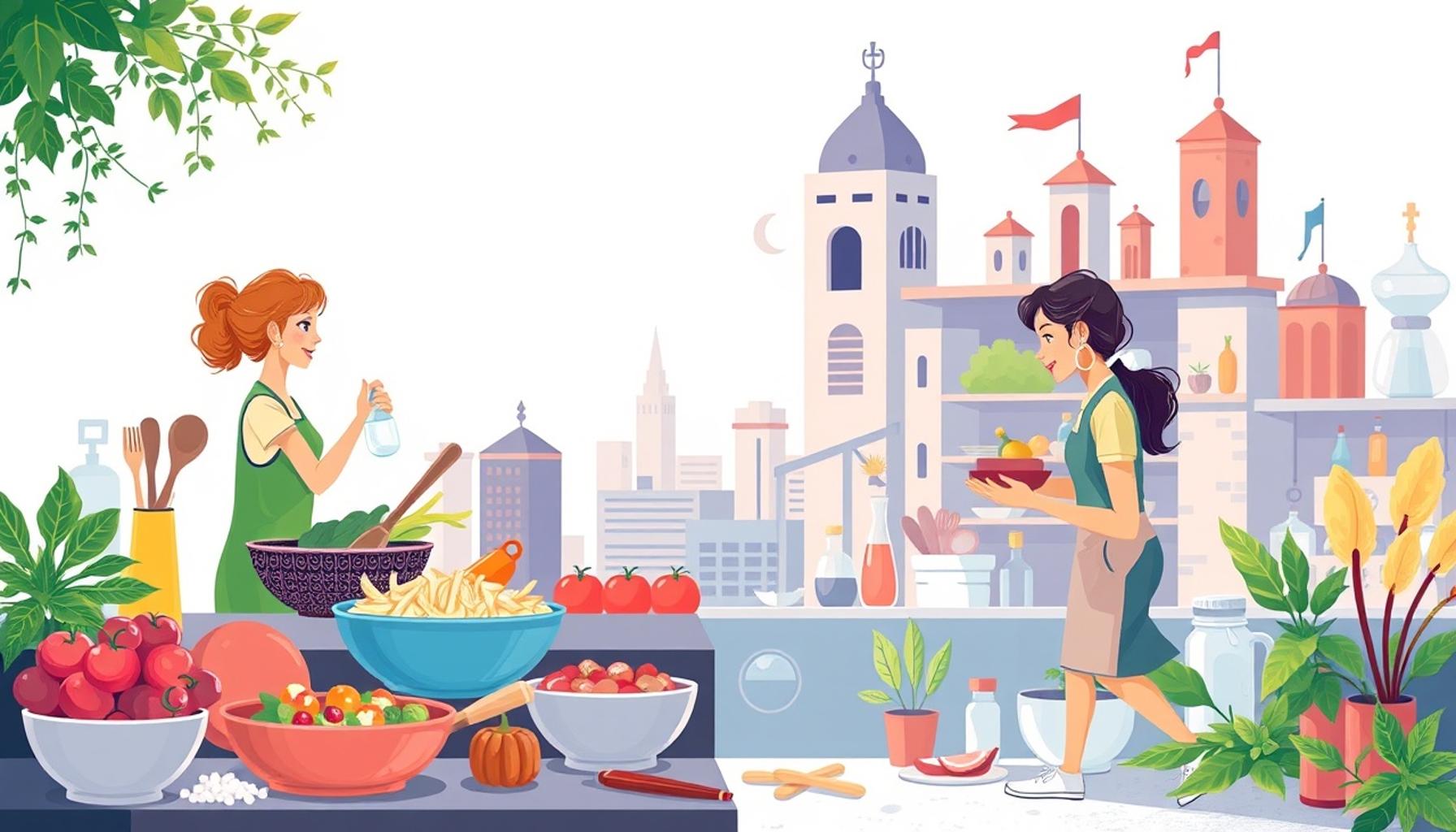
The Reinterpretation of Classic Recipes: How Creativity Can Transform Traditional Cuisine
Redefining Culinary Classics
The world of cuisine is in constant evolution, driven by the ever-present spark of creativity. Chefs and home cooks alike are embracing the challenge of reinterpreting classic recipes to bring forth fresh flavors and innovative presentations. This transformation allows for endless possibilities, leading to exciting combinations that captivate both the palate and the imagination.
The concept of redefining culinary classics taps into the desire for novelty while paying homage to traditional flavors. This blending of old and new sparks significant interest among food enthusiasts and professionals alike. For instance, one can observe the rise of fusion cuisine in recent years. This culinary approach merges traditional dishes from different cultures, resulting in inventive menus that capture attention. Think of sushi burritos—a delightful combination of the Japanese sushi roll and the convenience of a burrito. This dish, popularized in food trucks and restaurants across the U.S., reflects how cultures can intertwine through food.
- Health-Conscious Twists: Another avenue of reimagining classic recipes involves prioritizing nutrition. Comfort foods, often deemed indulgent, receive healthy makeovers without sacrificing flavor. For example, substituting conventional pizza crust with a cauliflower base has gained traction, allowing pizza lovers to enjoy their favorite dish with fewer carbs and gluten-free options.
- Seasonal Ingredients: Furthermore, adapting recipes to feature local and seasonal produce not only supports regional farmers but also enhances the freshness and flavor of the meals. Dishes like heirloom tomato salad highlight the fruits of the harvest and encourage a farm-to-table philosophy that resonates with eco-conscious diners.
This dynamic landscape invites food enthusiasts to explore how old favorites can receive a sophisticated makeover. The employment of modern techniques, such as sous-vide cooking, which involves vacuum-sealing food in a bag and cooking it at a low temperature, allows for precise control over texture and flavor. Similarly, molecular gastronomy incorporates scientific principles to re-create familiar flavors and textures in unexpected ways, such as transforming a classic caprese salad into a playful foam or gel.
The reinterpretation of classic recipes generates an exciting dialogue between cultural heritage and modern innovation. Chefs use this platform to tell stories through their dishes, invoking nostalgia while inviting diners to experience something entirely new. As traditional flavors harmonize and clash, the culinary world uncovers a multifaceted perspective on food.
Join us as we delve into the fascinating journey of how creativity is reshaping traditional cuisine, unveiling a world where familiar tastes take on unexpected forms. The exploration of redefined culinary classics opens doors to endless possibilities, making each meal an opportunity for discovery and delight.
DISCOVER MORE: Click here to delve into creative solutions
Revitalizing Age-Old Favorites
As the culinary scene continuously evolves, chefs and home cooks are finding new ways to breathe life into age-old recipes. This revitalization engages a new generation of diners, igniting curiosity and excitement about traditional dishes. The key lies in the fusion of culinary techniques, flavors, and cultural influences, transforming iconic favorites into contemporary gastronomic delights. This wave of creative culinary reinterpretation not only respects tradition but also encourages innovation, leading to a diverse array of dishes that are both familiar and surprising.
Take, for instance, classic comfort foods like macaroni and cheese. This all-American staple has opened the door for endless customization, giving rise to gourmet versions that feature ingredients such as lobster, truffle oil, or smoked gouda. By adapting long-standing recipes to reflect current dining trends, such as plant-based options, the humble mac and cheese is reimagined to cater to a broader audience without losing its essence. These developments showcase the versatility of the dish while appealing to those looking to indulge in healthier or more elevated experiences.
- Ethnic Influence: The impact of global cuisine cannot be overlooked. Ingredients or cooking methods from other cultures often enrich classic American dishes, fostering an inclusive evolution of recipes. For example, the incorporation of Korean flavors into fried chicken has sparked a craze for dishes like kimchi coleslaw alongside buttermilk-soaked drumsticks. This blend results in a unique culinary experience that transcends borders.
- Modern Techniques: Technology also plays a crucial role in transforming traditional recipes. Sous-vide cooking allows for precise temperature control, resulting in perfectly cooked proteins that retain moisture and flavor. This technique can elevate classic roast dishes, giving home cooks the opportunity to achieve restaurant-quality results in their own kitchens.
Furthermore, the celebration of regional specialties allows chefs to showcase their culinary heritage. For instance, Southern cuisine has seen a renaissance with chefs experimenting with traditional dishes like gumbo and étouffée, incorporating farm-to-table ingredients that reflect the season and regional bounty. By doing so, they create a narrative that honors the past while paving the way for new tastes and textures.
The transformative journey of classic recipes illustrates the beauty of culinary exploration. It encourages chefs to think outside the box, resulting in innovative dishes that remain grounded in tradition. This dialogue between past and present reflects a broader trend in the food world—where nostalgia meets novelty, and childhood favorites are elevated into sophisticated dining experiences.
As we navigate through the reinterpretation of culinary classics, we find a world where each bite tells a story—one of culture, creativity, and communal celebration. With every innovative twist on a beloved favorite, we discover not only the importance of preserving our culinary heritage but also the joy of exploring new realms of flavor.
In the realm of culinary arts, the reinterpretation of classic recipes has become a celebrated trend, breathing new life into age-old traditions while honoring their roots. Chefs and home cooks alike are not only revamping flavors but are also adopting bold techniques that reshape the way we experience familiar dishes. This phenomenon is redefining what we know about traditional cuisine, inviting a dialogue between the past and the present.As chefs delve into the world of fusion cuisine, they draw inspiration from diverse cultures and ingredients. For instance, a classic Italian risotto might be infused with Asian flavors through the addition of miso or saffron, creating an unexpected yet delightful concoction. This blending of cuisines not only enhances flavors but also encourages diners to embrace a wider palette of taste experiences.Moreover, the integration of modern techniques such as sous-vide cooking or molecular gastronomy allows for enhanced textures and presentations. The use of these advanced methods challenges the notion of what a classic dish should be and opens the floodgates for innovation. A classic chocolate mousse might evolve into a deconstructed version featuring chocolate soil and cream beads, presenting a feast for both the eyes and the palate.Additionally, embracing local and sustainable ingredients can lead to a revolution in classic recipes. By sourcing products from local farmers and producers, chefs pay homage to tradition while readily adapting to seasonal changes. For example, traditional Southern comfort food can utilize locally harvested vegetables, making classic dishes not only more sustainable but also richer in flavor and nutritional value.These creative transformations are not just inventive delights; they also serve as a narrative of cultural connection and evolution. They build bridges between generations, preserving the essence of traditional recipes while inviting change. By doing so, they foster an appreciation for global culinary heritage while keeping the conversation around traditional cuisine vibrant and relevant. As we embark on this gastronomic journey, the reinterpretation of classic recipes stands as a testament to the power of creativity in redefining culinary landscapes. The fusion of techniques, flavors, and stories underscores that cuisine is not static but rather an ever-evolving art form. Each dish becomes a canvas for creativity, showcasing the endless possibilities that arise when tradition meets innovation. Cooking is more than a means of sustenance; it’s an experience—a narrative waiting to be told through the evolution of cherished recipes. As we continue through this delicious exploration, it becomes increasingly clear that creativity in the kitchen has the power to transform our perception of food and culture.
DISCOVER MORE: Click here to unleash your creativity
Unleashing Creativity in Flavor Profiles
Modern reinterpretations of classic recipes also allow for an exploration of dynamic flavor profiles. Chefs and home cooks alike are now employing unconventional ingredients to inject novel twists into traditional dishes. For instance, the incorporation of unexpected spices can elevate a classic dish into a sensory experience. Imagine a traditional Spanish paella reimagined with saffron-infused coconut milk and topped with fresh mango salsa, marrying classic techniques with tropical freshness to create an entirely new culinary narrative.
A particular area of innovation lies in the realm of desserts. The beloved chocolate chip cookie, a staple in American homes, has undergone a variety of reinventions, from adding sea salt and caramel to crafting gluten-free or vegan variations. These transformations not only reflect dietary preferences but also resonate with culinary creativity that invites experimentation. To elevate the cookie experience further, many bakers are incorporating unusual ingredients like matcha or lavender, enabling tastes that captivate the palate and inspire further creativity in baking.
The Rise of Seasonal and Local Inspirations
Another key trend in the reinterpretation of classic recipes is the emphasis on seasonal and local ingredients. The farm-to-table movement has prompted many chefs to honor their surroundings by infusing local produce and flavors into beloved family recipes, creating dishes that are in tune with the environment. For example, the classic Italian risotto can be stunningly transformed by using heirloom vegetables sourced straight from local farmers’ markets, along with herbs and cheeses that reflect regional characteristics.
Moreover, this approach facilitates an appreciation for sustainability within the culinary world. By utilizing *seasonal produce*, chefs not only improve the freshness and quality of their dishes but also support local economies and promote environmental consciousness. Traditional recipes, when reinterpreted with a focus on locality, tell the story of their origins while also addressing contemporary concerns surrounding the food supply chain.
Interactive Dining Experiences
Beyond the kitchen, restaurants are innovating by creating interactive dining experiences that transform the way traditional cuisine is savored. For example, diners can engage in personalized sushi-making, where they select their fillings from a variety of ingredients inspired by both traditional Japanese cuisine and local produce. This not only provides a hands-on approach to dining but also deepens the connection to the food, evoking a sense of ownership and creativity in the eating experience.
Similarly, potluck-style dining events have gained popularity, encouraging consumers to bring their family recipes to the table, where they can be shared and reimagined amongst friends. This communal twist on classic recipes allows for the exchange of stories and flavors, fostering an appreciation for the rich tapestry of cultural heritages and the creative reinterpretation of food traditions.
As creativity intertwines with the essence of classic recipes, it becomes evident that food is no longer just sustenance; it represents a canvas for self-expression and innovation. With every artistic reinterpretation, chefs and home cooks continue to push the boundaries of culinary tradition, encouraging an ongoing dialogue between history, culture, and contemporary dining. This interplay reaffirms the significance of both preserving beloved classics and unveiling fresh interpretations that celebrate the ever-evolving nature of cuisine.
DISCOVER MORE: Click here to dive deeper
Conclusion: A Culinary Revolution
In conclusion, the reinterpretation of classic recipes stands at the intersection of tradition and innovation, highlighting how creativity can transform traditional cuisine. By experimenting with dynamic flavor profiles, utilizing seasonal and local ingredients, and embracing interactive dining experiences, today’s chefs and home cooks are reimagining beloved dishes in exciting ways. This not only revitalizes culinary heritage but also engages modern diners in a deeper appreciation for the origins and stories behind their food.
The evolution of classics like the chocolate chip cookie or Italian risotto showcases a culinary landscape that values both nostalgia and novelty, reminding us that food is a living art form. Each reinterpretation acts as a dialogue between the past and the present, inviting consumers to connect with their cultural roots while savoring innovative tastes. As customers become more adventurous in their culinary explorations, they pave the way for ongoing creativity within the kitchen.
Ultimately, the transformation of traditional cuisine embodies a broader cultural movement that respects history while embracing contemporary influences. By fostering a spirit of experimentation and collaboration, the culinary world encourages individuals to rethink their relationship with food—turning every meal into an opportunity for self-expression and shared memories. Thus, the reinterpretation of classic recipes is not simply a trend but a dynamic force that celebrates the richness and diversity of culinary heritage.