
The Creation of Sustainable Art: How Recycled Materials Transform the Artistic Process
Unleashing Creativity through Recycled Materials
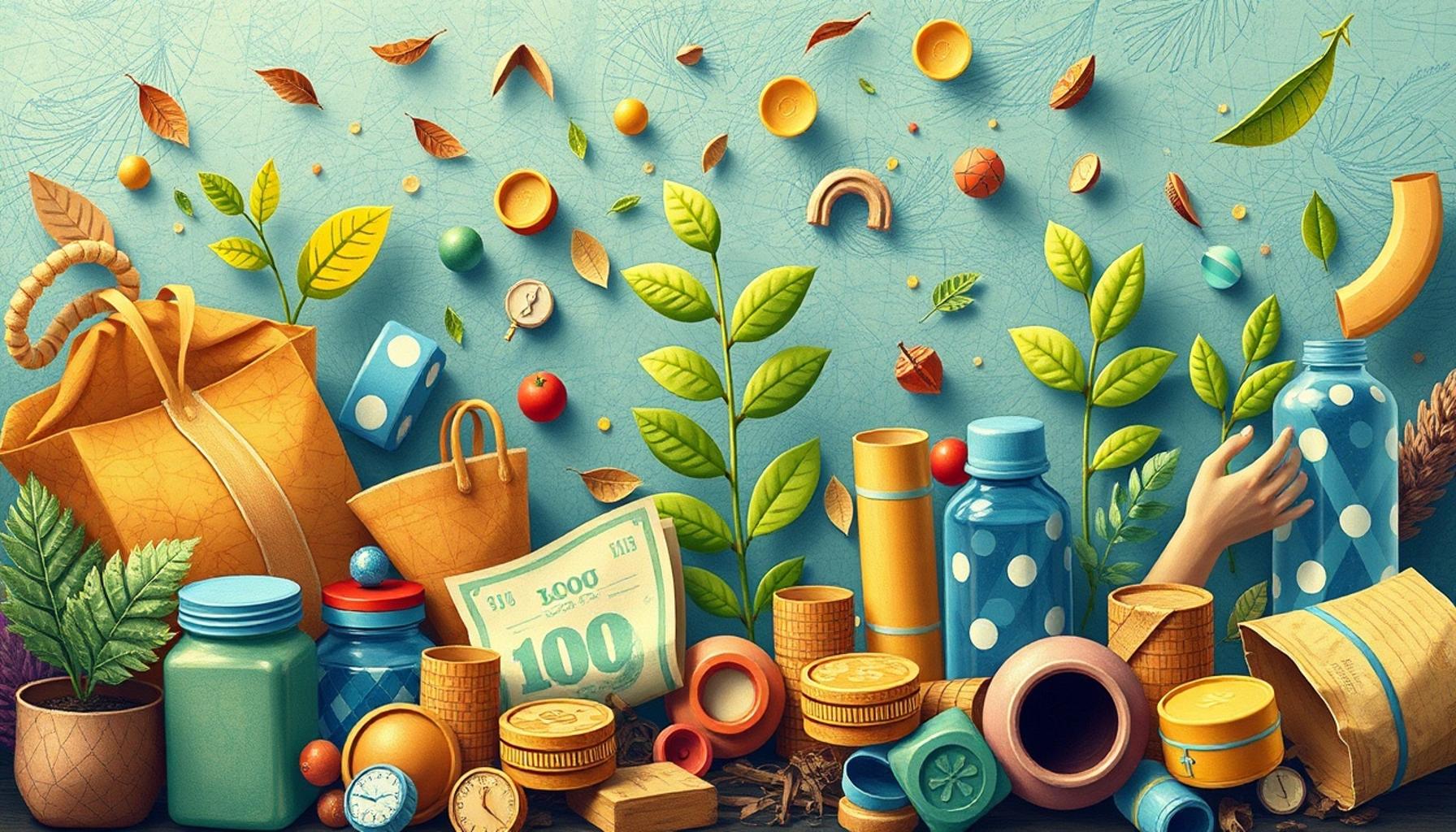
Sustainable art is redefining the creative landscape. Artists are increasingly utilizing recycled materials to make compelling statements about consumerism, waste, and our relationship with the environment. This innovative approach not only inspires a new wave of creativity but also raises awareness about environmental issues.
Consider these transformative aspects of recycled art:
- Material Variety: Artists are harnessing an impressive array of materials to create their masterpieces. Items such as plastic bottle caps, old newspapers, scrap metal, and even discarded electronics find new life in art. For instance, renowned artist El Anatsui transforms thousands of bottle tops into shimmering wall hangings, challenging viewers to reconsider the life cycles of everyday objects.
- Impactful Narratives: Each artwork crafted from recycled materials tells a story of its past life, often evoking deep emotions. An example can be seen in the work of Tim Noble and Sue Webster, whose shadow sculptures are formed from piles of trash, but when illuminated correctly, they cast striking silhouettes of animals or people, illustrating the contrast between perceived waste and inherent beauty.
- Community Engagement: Many artists actively involve local communities when sourcing and creating with recycled materials. This collaborative approach not only fosters a sense of ownership but also raises awareness about recycling efforts. Projects like The Trash Can Art Project in San Francisco encourage community members to contribute their own discarded items, bringing the issue of waste right into the local conversation.
In the United States, artists are at the forefront of this movement, pushing the boundaries of traditional art forms. Numerous installations and exhibitions, such as “The Art of Waste” held annually in various states, showcase how discarded objects can conjure up powerful emotions and provoke critical thinking about our ecological responsibilities. For instance, the Recycled Art Festival in Longmont, Colorado, encourages artists to transform trash into stunning works of art, promoting sustainability and innovation.
As the art world embraces sustainable materials, it prompts significant questions about the very nature of creativity. How does using what others deem ‘waste’ change the artistic process? For emerging artists, this paradigm shift signifies an opportunity to challenge conventional notions of beauty and originality, fostering a generation that prioritizes sustainability and ecological awareness in their practices.
Join us as we explore the fascinating world of sustainable art and discover how these recycled masterpieces are reshaping our understanding of value, beauty, and creativity. As these artists push the envelope, they invite us all to reflect on our consumption habits and inspire us to view waste not as the end, but as a starting point for innovation and expression.
DISCOVER MORE: Click here to dive into various painting techniques</p
Revolutionizing Artistic Expression with Recycled Materials
The creative process is inherently tied to the materials at an artist’s disposal. With the rise of sustainable art, recycled materials are unlocking a new dimension of possibilities for artists. This evolution is not merely about reusing materials but rethinking the entire artistic journey. Each piece crafted from disposables demands a mindful approach, instilling both purpose and innovation into the artist’s practice.
Resourcefulness as a New Standard: Artists are now challenged to embrace resourcefulness, often redefining their techniques and mediums. The limitations imposed by using recycled materials often lead to unexpected breakthroughs. For example, a sculptor may find inspiration in the irregular shapes of bent metal or the textures of shredded paper, which prompt new ways of assembling a piece. This dynamic between limitation and creativity drives artists to transcend traditional boundaries and push the envelope of what art can be.
The incorporation of recycled materials thus transforms the way artists think about composition and aesthetics. As they interact with the remnants of consumer culture, they are compelled to consider the narratives embedded in each item. This interaction can lead to profound reflections on society’s wastefulness, challenging viewers to contemplate their own consumption practices and motivations.
Artistic Techniques Evolving: Many techniques previously reserved for conventional materials are being adapted to work with those deemed waste. Collage, for instance, has experienced a resurgence as artists blend various discarded papers, plastics, and fabrics into multi-dimensional works. Some create striking assemblages that merge diverse elements into unified statements about environmental consciousness. The popularity of this technique is underscored by exhibitions around the country that highlight the intricate and cohesive results attainable through recyclables.
- Mixed Media: The approach of combining various forms and materials is gaining traction. Artists use paints, textiles, and found objects to craft unique pieces that dialogue with their materials.
- Installation Art: The use of recycled materials in installation art encourages viewer interaction. Artists often design work that activates the space around it, bringing awareness to the byproducts of consumer culture.
- Functional Art: Some artists create functional pieces such as furniture or lighting from salvaged items. This practical application elevates the perception of waste, showcasing that discarded goods can serve a purpose and contribute to the artistic landscape.
Furthermore, the use of recycled materials opens up discussions about accessibility in art. Emerging artists, who may lack resources, can engage in sustainable practices without the financial burden of costly raw materials. This democratization of art fosters a diverse range of voices and viewpoints, allowing for broader representation within the artistic community.
As more artists embrace sustainable methods, the landscape of art itself is undergoing an important transformation. This shift is not just a trend; it reflects a growing cultural consciousness around environmental issues. Artists are becoming advocates, highlighting the consequences of our disposable society while simultaneously creating beauty from what many may see as trash.
| Category | Advantages |
|---|---|
| Environmental Impact | Reduces waste by repurposing materials that would typically be discarded. |
| Creative Revolution | Encourages innovation as artists explore unconventional crafting methods and designs. |
| Community Engagement | Builds community involvement through collaborative recycling projects and workshops. |
| Educational Value | Promotes awareness about sustainability and environmental issues among the public. |
The integration of recycled materials in art not only manifests as a creative outlet but also acts as a powerful tool for social change. By utilizing what is often seen as waste, artists strike a chord with essential environmental conversations, leading the way toward more ecologically responsible practices. Each artwork becomes a commentary on consumption, ethics, and sustainability.Furthermore, embracing recycled materials often leads to unexpected textures, colors, and movements in artworks that traditional mediums may lack. Artists are challenged to rethink their processes, fostering a DIY ethos that can resonate deeply across various demographics. The result becomes an artistic phenomenon that does not just represent beauty or artistic expression, but also embodies a challenge to the status quo regarding material use and production methods.Notably, the rise of sustainable art also serves as a catalyst for new forms of community-building. Local workshops and collaborative projects empower individuals to participate actively, thus enhancing social bonds while simultaneously crafting unique pieces that reflect their shared values. Overall, the incorporation of recycled materials into the creative process transforms artistic environments, paving the way for the sustainable movement to evolve and flourish.
DISCOVER MORE: Click here to savor the world of flavors
Impact on Community and Environmental Awareness
The emergence of sustainable art practices transcends merely reshaping the artistic process—it also fosters a profound connection between artists and their communities. Artists employing recycled materials often engage with local neighborhoods, creating opportunities for collaboration and dialogue. This connection can manifest in numerous ways, such as workshops that educate participants on sustainable practices or community art projects that utilize local waste. Through these initiatives, artists serve as conduits for raising awareness about environmental issues, encouraging collective action towards sustainability.
Collaborative Ventures: Community engagement through art manifests not only in the exchange of ideas but also in the tangible impact of collaborative projects. For instance, in regions prone to flooding, artists have worked with residents to transform debris washed ashore into radiant sculptures that tell the story of resilience. Such projects do more than beautify spaces; they promote communal healing and pride while simultaneously addressing the environmental challenges faced by the locality. This art stimulates conversations about community identity and the shared responsibility of caring for one’s environment.
Additionally, initiatives incorporating recycled materials contribute to a visual narrative about the environment. When artists curate public installations from waste, they transform everyday items into compelling subjects that demand attention. For example, large-scale murals crafted from bottle caps or plastic bags invite passersby to reflect on their own consumption habits and the ecological footprint of plastic pollution. Such pieces often spark discussions among viewers, leading them to consider how they can alter their behaviors and contribute positively to local and global ecosystems.
Exhibiting Environmental Consciousness: The power of sustainable art extends to the art world itself, with art institutions increasingly featuring exhibitions dedicated to works created from recycled materials. Events like the *Art of the Recycle* showcase the innovative approaches of contemporary artists while simultaneously advocating for environmental stewardship. This trend demonstrates how traditional art spaces can adapt to reflect societal shifts and values, further encouraging mainstream audiences to appreciate and invest in sustainable practices.
The positive impacts of sustainable art also extend to educational opportunities. Educational programs are increasingly integrating art and environmental science, facilitating discussions about sustainability within the classroom. School art curricula have begun to include projects that utilize recyclable materials, allowing students to explore their creativity while learning the importance of reducing waste. Such programs foster a sense of responsibility towards the planet from a young age, cultivating future generations who are conscious of their environmental impact.
Support for the Circular Economy
The integration of recycled materials within artistic practices dovetails seamlessly with the principles of the circular economy. This economic model emphasizes reducing waste and maximizing resource efficiency, a philosophy that resonates deeply within the sustainable art movement. By transforming discarded materials into valuable artistic works, artists play a pivotal role in promoting this shift away from a linear consumption model towards one that values sustainability.
Market Trends: As interest in sustainable art grows, so too does its market potential. Consumers are increasingly seeking to invest in art that aligns with their values, leading to an uptick in demand for pieces made from recycled materials. Art fairs and galleries are capitalizing on this trend by spotlighting environmentally conscious artists. Sales of such works not only support artists financially but also reinforce the idea that sustainability can be both beautiful and commercially viable.
- Eco-Friendly Materials: Many artists are also experimenting with eco-friendly alternatives to traditional art supplies, enhancing their sustainable practices. For instance, natural dyes and biodegradable glues have become prevalent as artists seek to minimize their environmental impact further.
- Advocacy through Art: Artists increasingly use their platforms to advocate for policies that promote recycling and sustainability, blending their artistic voice with activism to further amplify their message.
DISCOVER MORE: Click here to learn how music can enhance your self-care
Conclusion
The journey into the realm of sustainable art illuminates the profound potential of recycled materials to revolutionize not just the artistic process but also our connection to the environment. By reimagining discarded objects as canvases for creativity, artists are not only crafting visually stunning works but are also weaving powerful narratives that challenge societal norms regarding waste and consumption. As community-centered projects flourish, the collaborative spirit of sustainable art fosters a profound sense of collective responsibility, rallying individuals around vital conversations about environmental stewardship.
The ripple effects of these artistic endeavors extend beyond mere aesthetics; they encourage a shift towards a circular economy, highlighting how creativity can spark economic and social change. As art institutions and educational programs increasingly embrace this movement, they cultivate awareness that resonates with diverse audiences—inviting everyone to reconsider their role within the ecological tapestry. The evolving market for eco-conscious art illustrates a burgeoning appreciation for pieces that embody both beauty and a commitment to sustainability.
Ultimately, the creation of sustainable art stands as a testament to innovation and activism. It challenges us to reflect on our consumption habits, inspire future generations, and advocate for policy changes that prioritize the health of our planet. As the colors of recycled materials continue to enliven our environments, they encourage us all to see value in the overlooked, igniting hope for a more sustainable future.