The Impact of Technology on Musical Expression: Modern Tools for Creativity
Embracing the Digital Revolution in Music
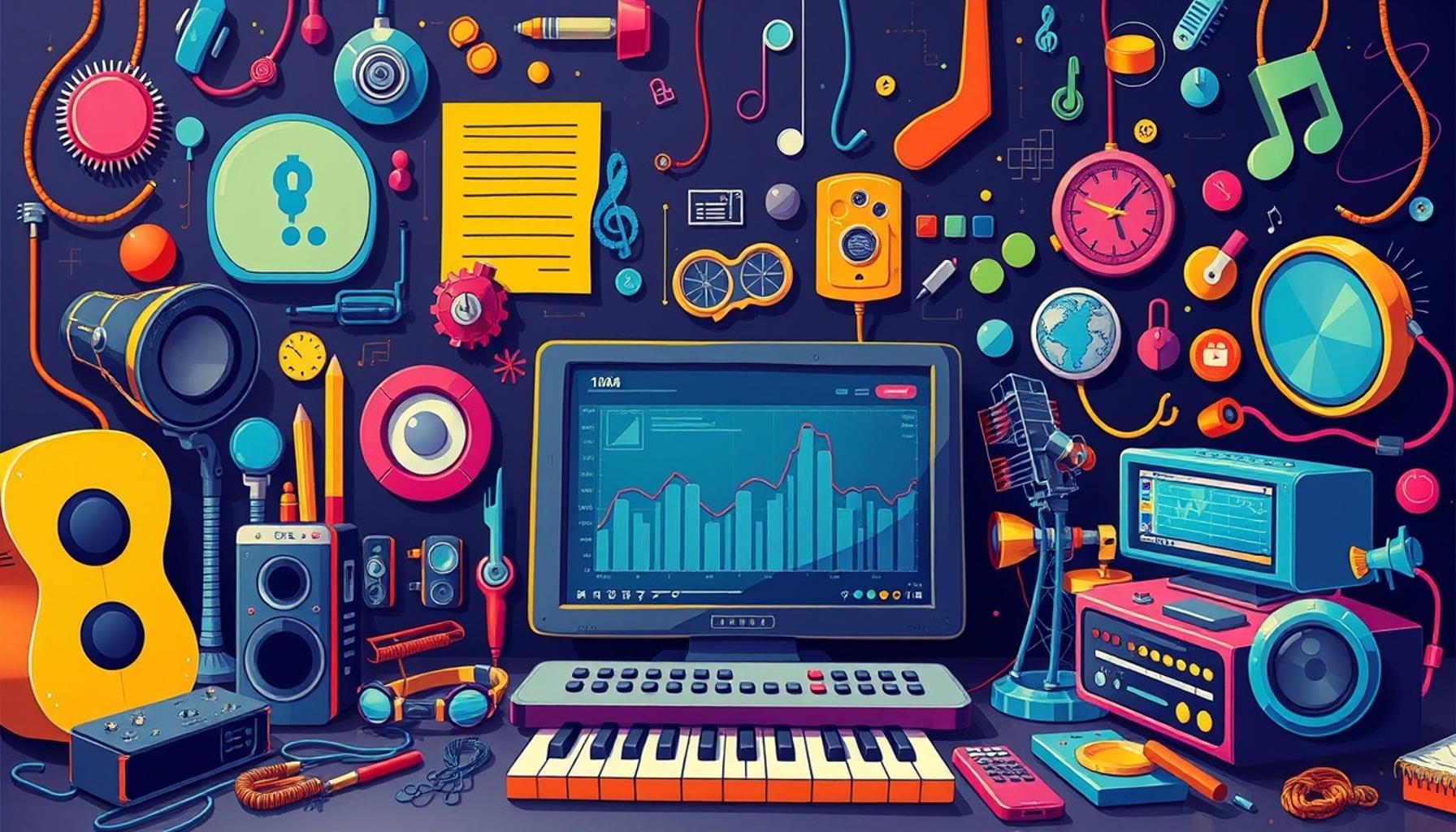
As we navigate through an era marked by rapid technological advancement, the music industry continues to experience transformative changes that redefine how artists express themselves. The introduction of modern tools not only provides musicians with options but also reimagines the entire creative process. Technology—once perceived merely as a facilitator—has evolved into a crucial partner in artistry. This partnership influences everything from songwriting and recording to distribution and audience engagement.
Key Advancements Reshaping Music Production
A number of significant technological developments are driving this evolution:
- Digital Audio Workstations (DAWs): Platforms like Ableton Live and Logic Pro have become staples in music production studios, both professional and home-based. By offering powerful recording capabilities and user-friendly interfaces, these DAWs enable musicians of all skill levels to produce high-quality tracks. For instance, renowned artists like Billie Eilish and her brother Finneas have utilized simple setups in their bedroom to create chart-topping hits, illustrating the democratization of music production.
- Virtual Instruments: The emergence of advanced synthesizers and plugins has led to the creation of expansive sound libraries that are just a click away. Musicians can effortlessly experiment with everything from vintage acoustic sounds to groundbreaking electronic textures, broadening their creative palettes. Software like Native Instruments’ Komplete offers thousands of instruments, allowing artists to explore new sonic worlds.
- Online Collaboration Tools: Platforms such as Splice and BandLab facilitate seamless collaboration among artists, regardless of their physical location. This has proven particularly advantageous during periods of global restrictions, enabling musicians to co-create in real-time, share feedback, and produce music collectively without being in the same room.
- Social Media and Streaming Services: The rise of platforms like Spotify, Apple Music, and social media channels has revolutionized how music is consumed and marketed. Artists can now share their work instantly, gaining a worldwide audience with the potential to go viral overnight. This shift not only allows for greater exposure but also encourages real-time interaction with fans, creating a dynamic atmosphere of engagement.
Beyond convenience, these advancements challenge conventional ideas of musicianship and creativity. Artists now blend genres, explore niche markets, and collaborate across cultures, resulting in innovative sounds that resonate globally. This creative freedom empowers musicians to express their identities in multifaceted ways, encouraging listeners to experience music as more than just a product; it becomes a dialogue that transcends geographic boundaries.
Navigating the Opportunities and Challenges
Delving into this digital landscape brings forth critical discussions about the future of music and artistry. While technology opens doors for unprecedented creative exploration, it also raises questions about authenticity and the essence of musicianship. As artists leverage technology to enhance their work, an ongoing conversation emerges about the balance between artistic integrity and the advantageous allure of digital tools. Will future musicians maintain their unique voices, or will the influence of technology lead to a homogenized sound?
As we continue to explore the intersection of technology and music, one thing remains clear: the evolution is not just about tools and techniques but rather a redefinition of the very essence of what it means to be a musician in an increasingly interconnected and digital world.
EXPLORE MORE: Click here for deeper insights
Transforming the Creative Process
The influence of technology on musical expression extends far beyond mere enhancements to traditional methods; it fundamentally alters the creative process itself. With the rise of cloud-based recording platforms, creators can now access, store, and collaborate on projects from virtually anywhere, ushering in a new era of musical creativity. This accessibility allows musicians to break free from the constraints of physical studio time, fostering an environment where inspiration can be captured and developed anytime, anywhere.
Take, for example, the shift towards remote collaboration, which has cultivated a culture of collective creativity. Artists can come together from different corners of the globe, merging diverse influences and styles to create innovative works that reflect a fusion of their unique backgrounds. Tools like Soundtrap provide users with an online audio workstation, enabling real-time input from multiple musicians, ultimately enriching the final product.
Moreover, the proliferation of mobile applications has further democratized music creation. Musicians can now utilize their smartphones to record, mix, and distribute music effortlessly. Apps like GarageBand and FL Studio Mobile bridge the gap between professional-quality production and accessibility, allowing budding artists to experiment with their creativity without needing an extensive knowledge of music theory or sound engineering.
This technological empowerment also extends to genre-blending and innovative songwriting techniques. By utilizing advanced software tools, musicians can manipulate sound waves, apply effects, and create entirely new genres at the push of a button. The rise of electronic music exemplifies this trend, where artists can sample, loop, and reimagine pre-existing sounds to create something entirely new—a process that was remarkably labor-intensive before the digital age.
The Rise of Artificial Intelligence in Music Creation
As we move deeper into the digital age, the integration of artificial intelligence (AI) into music production is rapidly gaining traction. AI-powered tools are being utilized to analyze musical styles and trends, offering artists suggestions that can enhance their songwriting or even generate melodies. Programs like AIVA and Amper Music are examples of how AI can contribute to the creative process, empowering creators to explore musical ideas they may not have conceived on their own.
However, the adoption of AI in music also raises important questions regarding authorship and the essence of musical expression. While AI can replicate styles and generate compositions, it lacks the emotional connection and lived experience that human musicians bring to their work. This divergence invites critical discourse on how technology, particularly AI, will shape not just the sound of music but also its soul.
In summary, technological advancements are redefining the very fabric of musical expression, enabling unparalleled access to tools, fostering innovative collaborations, and even introducing new players like AI. As musicians embrace these modern tools, the landscape of creativity continuously evolves, provoking thought and exploration among artists and audiences alike.
| Category | Description |
|---|---|
| Digital Audio Workstations (DAWs) | Powerful platforms for recording, editing, and producing music |
| Accessibility | Enables creators to produce music from home studios, democratizing the music-making process |
| Virtual Instruments | Offers a wide range of sounds and genres without the need for physical instruments |
| Enhanced Creativity | Encourages experimentation and innovation in musical composition |
Modern tools for creativity, notably Digital Audio Workstations (DAWs), are reshaping the landscape of music production. These platforms allow both aspiring and established musicians to access powerful recording, editing, and mixing capabilities. This increased availability promotes accessibility, enabling anyone with a computer to create music from the comfort of their own home, effectively democratizing the music-making process.Moreover, the rise of virtual instruments presents musicians with an extensive palette of sounds and genres previously restricted to trained instrumentalists. This broadens the creative horizon significantly, allowing artists to experiment with various styles without the burden of physical instrument purchase or maintenance. The technological advancements in this field not only supply an enhanced creativity by removing barriers traditionally associated with music creation but also foster innovation as creators combine elements in unprecedented ways.As we delve deeper into this evolution, it’s clear that technology is not just a tool but a transformative force in musical expression, encouraging fresh ideas and diverse artistic voices.
DISCOVER MORE: Click here to dive deeper
The Role of Virtual Reality and Augmented Reality in Music Experiences
Outside the realm of production, technology is rapidly transforming how music is experienced and consumed. The emergence of virtual reality (VR) and augmented reality (AR) technologies offers immersive experiences that redefine musical interaction. Artists like Grimes have explored using VR to create fully immersive music videos, where fans can step into a digital world that enhances their connection to the music. This medium allows listeners to not just hear but feel the music in a multi-dimensional space, generating a sense of presence that traditional formats cannot replicate.
Moreover, platforms like Wave XR enable artists to perform live concerts in virtual environments, attracting a global audience without geographical constraints. In a recent VR concert, the American DJ 2Chainz broke barriers by engaging with fans through virtual avatars, allowing for real-time interaction. This innovation not only democratizes access to live music but also cultivates a new form of intimacy between artists and fans, fostering deeper connections.
The use of AR technology is notable as well, with apps like Smule allowing users to create duets with their favorite artists through augmented layers over reality. This cross-pollination of reality and virtual enhancements creates unique opportunities for fans to engage with music at a personal level while participating in a community-focused experience. As technology advances, the line between music and multimedia continues to blur, inviting exploration into the sensory dimensions of music.
The Impact of Streaming Services on Music Distribution and Creation
On the distribution side, the rise of streaming services has unequivocally impacted the way music is shared and monetized. Platforms such as Spotify, Apple Music, and SoundCloud have revolutionized access to music, allowing independent artists to reach global audiences without the traditional barriers imposed by record labels. This accessibility not only offers musicians the chance to showcase their work but also provides real-time data and analytics, giving them insight into listener preferences and trends.
Interestingly, these platforms have also influenced the creative process itself. With the ease of uploading music, artists are encouraged to experiment with different sounds and formats—often leading to shorter singles and extended play (EP) formats rather than full albums. This shift caters to rapidly changing listener habits, as attention spans shorten in the digital age. The genre-bending creations that emerge from this dynamic environment highlight the fluidity of modern music, where boundaries have started to dissolve, leading to fresh and innovative sounds.
Additionally, the impact of algorithms on music discovery cannot be overlooked. By personalizing playlists based on user behavior, these platforms guide audiences towards new artists and styles, creating opportunities for emerging talents to gain traction without a traditional marketing machine. While this can lead to over-saturation, it also empowers diverse voices to be heard in a saturated marketplace.
The Ongoing Evolution: Challenges and Opportunities
As technology continues to evolve, so do the challenges it presents to the music industry. Issues of intellectual property and copyright enforcement within the digital space remain pressing concerns. As more artists leverage sampling and digital manipulation, the question arises: how do we maintain the integrity of creative ownership without stifling innovation? These discussions are pivotal in shaping the future landscape of music creation and expression.
In navigating these challenges, artists and technologists are presented with opportunities to forge new paths in creativity. As they explore the synergetic potential of technology and art, the musical landscape continually expands, offering ways for emerging artists to redefine their craft and for established artists to rejuvenate their sound. The dialogue about technology’s role in music is far from over, and as we advance into the future, the potential for creativity remains limitless.
DIVE DEEPER: Click here to enhance your character development skills
Conclusion: Embracing the Future of Music
In conclusion, the impact of technology on musical expression has ushered in an era of unprecedented creativity and accessibility. From the immersive realms of virtual reality and augmented reality that allow artists to forge deeper connections with their fans, to the democratizing forces of streaming services that give a voice to independent musicians, the landscape of music is evolving at an exhilarating pace. The integration of modern tools for creativity challenges traditional paradigms, enabling artists to experiment with sounds and formats like never before.
However, this rapid evolution is not without its challenges. As artists navigate the complexities of copyright issues and the influences of algorithm-driven recommendations, the dialogue regarding creative ownership and authenticity becomes increasingly vital. The balance between fostering innovation while protecting artists’ rights will define the future of the industry.
As we look forward, the possibilities are limitless. Technological advancements continue to blur the lines between music and other forms of art, inspiring new ways for audiences to engage and discover. For those interested in the intersection of technology and creativity, the journey of exploration is just beginning. By embracing these tools, both established and emerging artists can redefine their craft, shaping a vibrant musical landscape that resonates authentically with listeners around the globe.
Related posts:
Exploring the Relationship between Music and Dance in Creative Expression
The Influence of Music on Self-Expression and Emotional Well-Being
The Connection between Music and Visual Arts: How Synesthesia Influences Artistic Creation
The Impact of Community Music on Cultural Expression and Local Identity
Exploring Different Musical Genres as Forms of Personal Expression
Exploring Different Musical Genres as a Form of Creativity

Beatriz Johnson is a seasoned creative enthusiast and writer with a passion for simplifying the world of artistic hobbies and DIY projects. With over a decade of experience exploring various creative fields, she specializes in topics like crafting, painting, and handmade design trends. Through her work, Beatriz empowers readers to unlock their creative potential, try new artistic endeavors, and find joy and fulfillment in the ever-expanding universe of creative hobbies.