The Science of Cooking: Experimentation and Creativity in the Kitchen
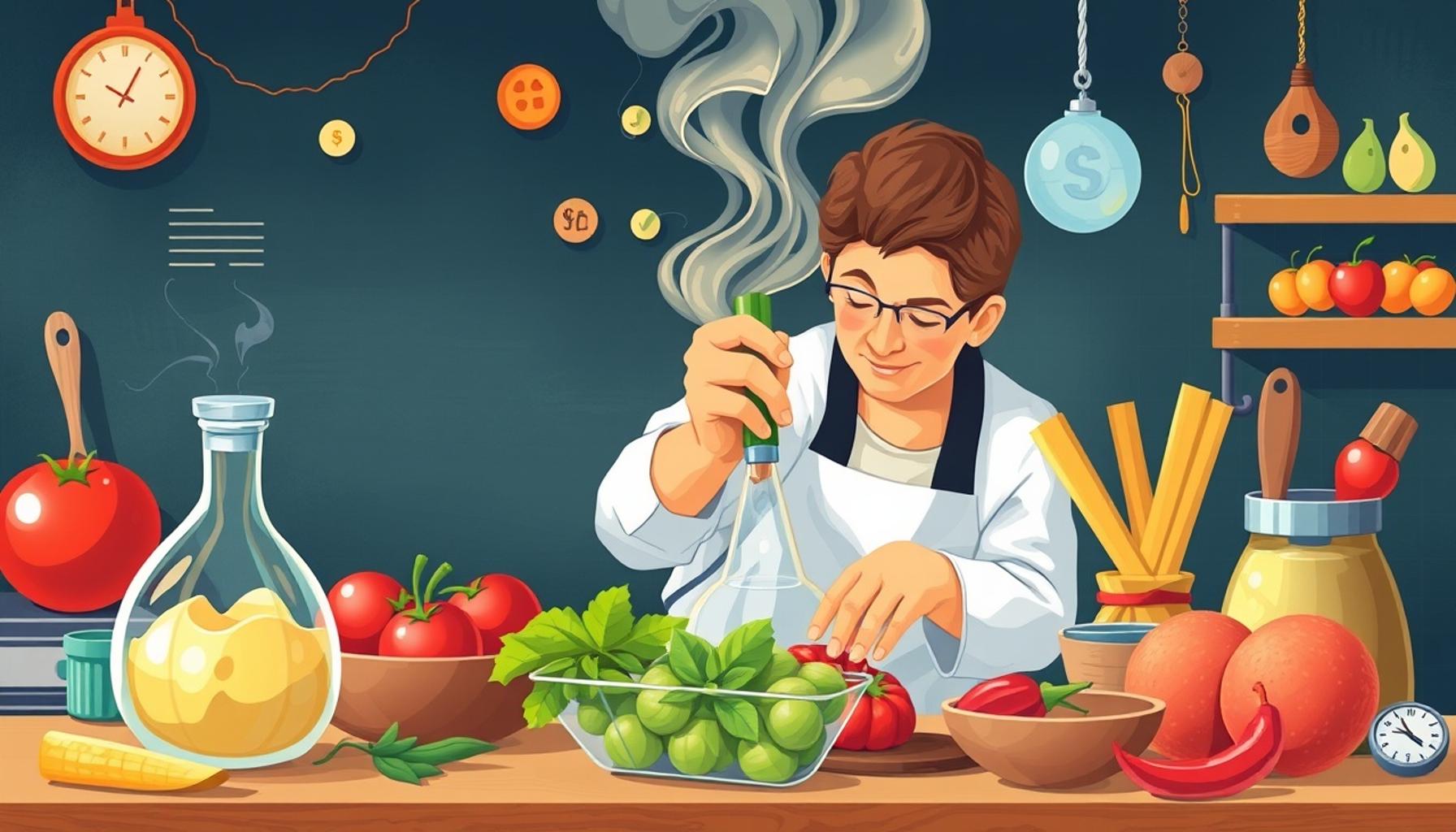
The Art and Science of Cooking
Cooking is much more than simply preparing meals; it is a dynamic fusion of science and creativity. Each culinary endeavor offers a unique opportunity for experimentation, allowing ingredients to interact in unexpected ways that can create new flavors and textures. This intersection between methodology and artistry transforms the activity from a routine task to an engaging experience, comparable to a scientific study where observation and analysis dictate outcome.
Exploring the science of cooking reveals a wealth of intriguing principles that illuminate the process. One foundational concept is the Maillard effect, a chemical reaction that occurs when proteins and sugars in food are exposed to heat, resulting in a distinct browning effect that enhances flavor. Consider the difference in taste between a raw piece of steak and a well-seared, caramelized one—the Maillard effect is the secret behind that depth of flavor, making it a favorite among culinary enthusiasts.
Another vital scientific aspect is heat transfer. The method by which heat is applied—whether through boiling, roasting, or frying—can drastically change a dish’s texture and taste. For instance, think about how the same vegetable can transform from a crunchy, fresh raw bite to a tender, almost sweet morsel when roasted at high temperatures.
The subject of pH balance is equally important. The acidity or alkalinity of ingredients can significantly influence both preservation and flavor. For example, incorporating lemon juice into a dish not only brightens the flavors but also acts as a preservative, while aligning the pH for optimal baking in dishes like cakes can determine their rise and texture.
The Role of Creativity in Cooking
While scientific principles are critical, creativity is equally essential in transforming cooking into an art form. This creative aspect encourages chefs and home cooks alike to experiment and redefine traditional dishes. The beauty of today’s culinary landscape lies in its diversity, as cooks are increasingly drawing from global ingredients. Take the popular trend of fusion cuisine, for instance. Imagine a Korean taco where spicy kimchi meets the soft tortilla, creating a thrilling new taste experience that celebrates both cultures.
Seasonal availability also plays a crucial role in culinary creativity. Adapting recipes based on what produce is at its peak not only enhances the dish’s flavor but also promotes sustainability. For example, a summer tomato salad can showcase the vibrant flavors of freshly picked heirloom tomatoes, basil, and mozzarella, offering a taste that is distinctly tied to the season.
Lastly, the exploration of alternative cooking techniques, such as sous-vide or molecular gastronomy, pushes the boundaries of what cooking can entail. Sous-vide, a method of vacuum-sealing food and cooking it to precision in a low-temperature water bath, preserves moisture and flavor unlikely to be achieved by traditional methods. On the other hand, molecular gastronomy employs scientific principles to create unexpected textures and forms, as evidenced by the creation of edible foams or deconstructed dishes that reinterpret classic flavors.
As we delve deeper into the vibrant world of culinary art, we recognize how the synthesis of empirical knowledge and imaginative expression can elevate cooking. Embrace the adventure of discovering the science behind every pinch of seasoning and the artistry of every carefully crafted dish, leading to a richer culinary experience.
Unlocking Culinary Principles Through Science
The synergy between science and creativity in cooking is not merely an artistic exercise but a systematic exploration of how flavors interact and transform. To illuminate this relationship further, it is essential to delve deeper into the scientific principles underpinning culinary techniques—each one capable of altering the flavor profile and textural experience of a dish.
One prevalent principle in cooking science is emulsification. This occurs when two substances that usually do not mix, such as oil and water, are combined with the help of an emulsifier, like egg yolk in mayonnaise or mustard in vinaigrettes. Understanding how to emulsify not only enhances a dish’s appearance but also creates a luscious texture, inviting diners to engage more deeply with the culinary experience.
Another fascinating scientific topic is the concept of caramelization. When sugars are subjected to heat, they undergo a complex chemical process that leads to a rich, amber hue and a depth of flavor that can transform simple ingredients like onions or sugar into nuanced components of a dish. For instance, caramelized onions, often used as a topping for burgers or incorporated into sauces, develop a sweet yet savory flavor that demonstrates the power of controlled cooking temperatures.
Fermentation also exemplifies the intersection of science and cooking. This ancient technique relies on the activity of microorganisms to alter the flavor profile of ingredients dramatically. From sourdough bread, where naturally occurring yeasts work to generate a light and airy texture, to the tangy kick of kimchi, fermentation opens the door to acidity and umami that elevate the culinary experience. Home cooks can experiment with controlled fermentations, allowing creativity in flavor development while honing their understanding of microbial impacts on food.
To embrace both the scientific and creative aspects of cooking, consider the following strategies:
- Experiment with ingredients: Try substituting different spices or natural sweeteners in a classic recipe to discover unexpected flavor combinations.
- Understand cooking methods: Explore how different techniques, such as steaming versus sautéing, can create diverse textural outcomes in the same ingredient.
- Play with temperatures: Adjusting cooking temperatures can yield variations in taste and texture, such as a caramelized crust versus a tender, barely cooked center.
- Document your findings: Keeping a cooking journal of successful (or unsuccessful) experiments will enhance your understanding and encourage playfulness in future cooking endeavors.
These methods not only foster a scientific understanding of cooking but also embrace the spirit of adventure, inviting participants to recognize that the kitchen is a place of discovery and learning. In this way, both experimenting and creative expression become vital components of a fulfilling cooking experience, revealing how science can elevate the culinary arts to new heights.
The Science of Cooking: Experimentation and Creativity in the Kitchen
In the realm of culinary arts, the fusion of science and creativity is essential for exploring new flavors and techniques. One such method involves understanding the chemical reactions that occur when different ingredients are combined. For instance, the Maillard reaction, which produces that coveted golden-brown crust on grilled meats, can be manipulated through varied cooking temperatures and times. By experimenting with these variables, home cooks can enhance the flavors and appearances of their dishes dramatically.
Another fascinating aspect is the effect of temperature on cooking processes. Sous-vide, a modern culinary technique, allows for precise temperature control, ensuring that meats are cooked evenly while retaining moisture. This method showcases how experimentation leads not just to improved dishes but also opens avenues for new presentations and styles in the kitchen.
Moreover, creativity in cooking is not limited to merely altering tried-and-true recipes. Ingredient swapping can lead to astonishing results—using avocado instead of butter in baking adds healthy fats while keeping the texture right. The adventurous cook might also explore less conventional ingredients like edible flowers or wild herbs, thus enriching the sensory experience and nutritional value of their meals.
As culinary enthusiasts delve deeper into these methods, they become more confident and innovative in their cooking approach. This journey through experimentation can also lead to sustainable practices, as cooks learn to utilize leftover ingredients, minimizing waste and encouraging a creative mindset that values resourcefulness.
| Advantages | Key Features |
|---|---|
| Enhanced Flavor | Understanding chemical reactions improves taste profiles. |
| Creative Freedom | Ingredient experimentation leads to unique and memorable dishes. |
| Sustainability | Using leftovers fosters a resourceful approach in the kitchen. |
Ultimately, “The Science of Cooking: Experimentation and Creativity in the Kitchen” invites culinary enthusiasts to embrace the joy of discovery. Through scientific understanding, combined with an imaginative spirit, the kitchen transforms from a mundane workspace into a vibrant laboratory of flavors and textures, inviting both novice and seasoned cooks to explore. Embracing this fusion opens the door to a world where every dish tells a story of creativity and experimentation.
Innovation Through Kitchen Chemistry
Beyond the traditional techniques of emulsification, caramelization, and fermentation, modern cooking increasingly embraces the role of food chemistry as a catalyst for innovation in the kitchen. Understanding the molecular structure of ingredients opens up new possibilities, allowing chefs and home cooks alike to tap into techniques that transform their cooking experiences and Plate presentations.
One of the more intriguing areas of culinary science is spherification, a stylish technique popularized by molecular gastronomy that allows cooks to create caviar-like spheres from liquids. Utilizing sodium alginate and calcium chloride, culinary artists can encapsulate flavors into delicate, bursting beads that layer interesting textures and surprising tastes in dishes. By understanding the properties of these ingredients, cooks can create visually stunning presentations, such as fruit caviar on a dessert plate that explodes with flavor upon contact with the tongue.
Equally fascinating is the Maillard reaction, a complex chemical process that occurs when proteins and sugars are subjected to heat, leading to browning on roasted meats and baked goods. This reaction is responsible for producing rich, multifaceted flavors and aromas that define so many beloved dishes, such as a perfectly seared steak or a crusty loaf of bread. Learning to control the Maillard reaction—by manipulating heat, cooking time, and moisture content—allows home cooks to enhance their culinary creations while unlocking deeper flavor profiles.
Another captivating topic within the realm of cooking science is the exploration of gelification. This technique employs gelling agents like gelatin or agar-agar to transform liquids into semi-solid forms, providing exciting new textures to dishes. For instance, a gel of fruit juice can serve as a refreshing palate cleanser or a component of a modern plated dessert. Experimenting with gelling agents empowers cooks to create unique presentations that intrigue the eyes and excite the palate.
The delicate balance of pH levels also plays a crucial role in culinary creativity. Ingredients like vinegar and citrus influence not only flavor but also texture and preservation. For example, pickling vegetables introduces acidity that can brighten, enhance, and preserve them, while creating a crunchy texture that offers contrast in salads or sandwiches. Exploring different acids allows for experimentation with balancing flavors, enabling cooks to tailor their dishes to perfection.
As part of the creative process, don’t overlook the potential of aromatics in cooking. The aromatics released during cooking can profoundly impact the overall experience of a dish. Utilizing spices, herbs, and even the smoke from grilling adds layers of complexity to your meals. Understanding how heat interacts with these ingredients can lead to exciting cooking opportunities, such as infusing oils with garlic and herbs to create a versatile finishing oil that elevates simple dishes.
To embrace the wonders of culinary science in your home kitchen, here are several strategies:
- Research new techniques: Explore resources on molecular gastronomy or modernist cooking, and consider trying new methods like sous-vide to achieve optimal results.
- Take a workshop: Participate in hands-on classes focusing on food science, where you can learn proper techniques in an experimental environment.
- Shop for unique ingredients: Visit specialty stores or farmers’ markets to find unfamiliar spices, leaves, and gelling agents that can facilitate culinary experimentation.
- Collaborate with others: Engage with fellow cooking enthusiasts, share discoveries, and challenge each other to create dishes that celebrate scientific principles.
These approaches encourage a deeper investigation into the chemistry of cooking, allowing every home cook to express their creativity while mastering the scientific principles that can dramatically change their culinary outcomes. By treating the kitchen as a lab and embracing exploration, the art of cooking evolves into an exciting journey of flavor, science, and personal expression.
Conclusion: Elevating Culinary Experiences Through Science
The intersection of science and creativity in the kitchen has opened up an exciting world of possibilities for culinary enthusiasts of all levels. By embracing the fundamental principles of food chemistry, cooks are no longer limited to traditional techniques; rather, they are empowered to explore innovative methods that enhance flavors, textures, and visual appeal. From spherification and gelification to understanding the crucial Maillard reaction, each scientific concept offers unique insights that can lead to imaginative culinary creations.
As home cooks delve deeper into the art of experimentation, they can unlock profound flavors and unexpected outcomes that turn meals into memorable experiences. By mastering elements such as pH balance and the effective use of aromatics, the kitchen can transform into a canvas where flavors mingle and evolve, leading to unparalleled culinary artistry.
Ultimately, the science of cooking encourages a mindset of curiosity and exploration. Workshops, learning resources, and collaboration with fellow food lovers can foster an environment rich with creativity and innovation. With the vast array of techniques and ingredients available today, every dish becomes a springboard for experimentation, where tradition meets modernity. So, whether you are a seasoned chef or a novice in the kitchen, embrace the science of cooking—experiment, create, and savor the journey.