The Intersection of Art and Technology: Exploring the Creation of NFTs
The Digital Era of Artistic Expression
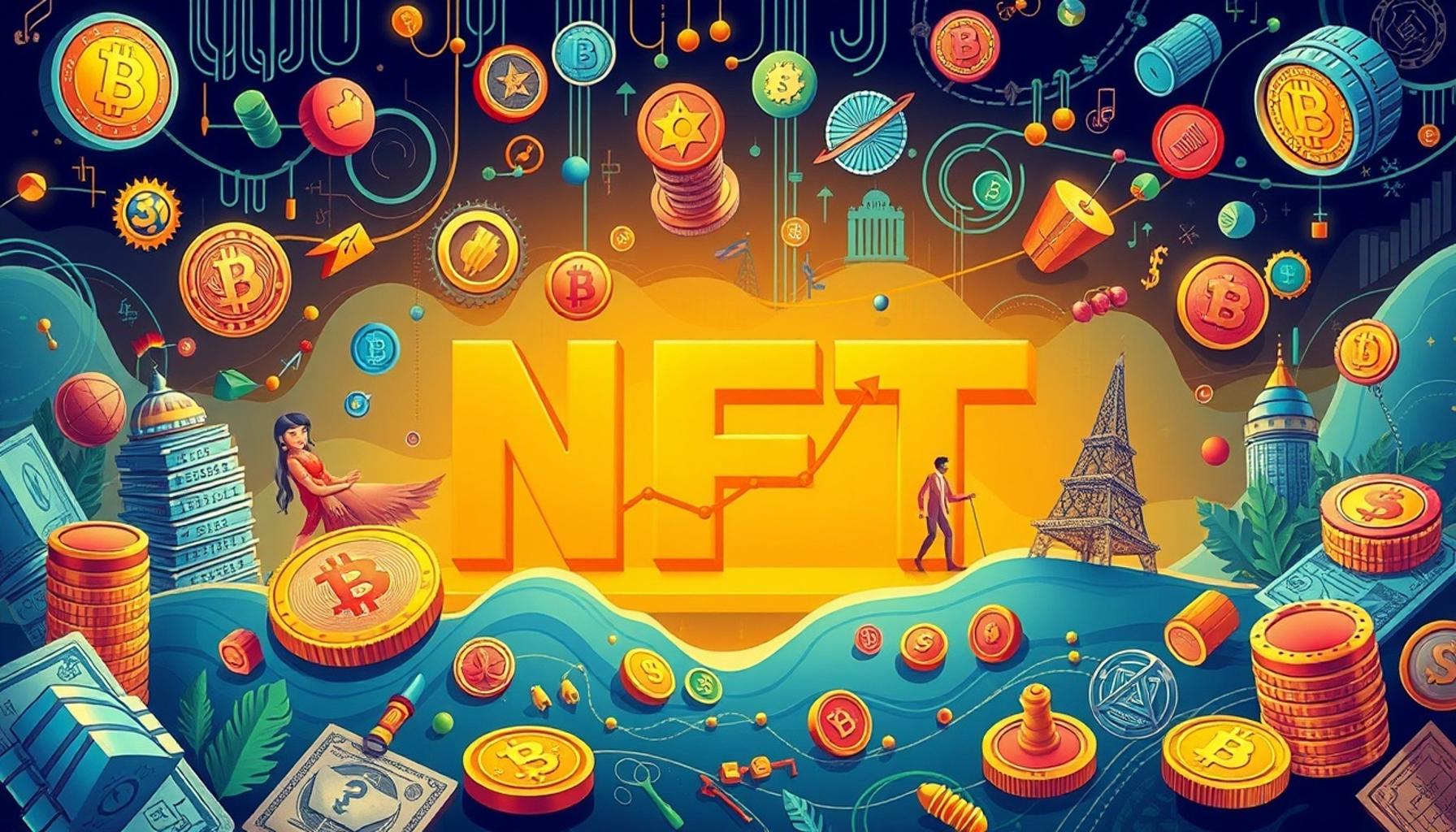
The digital revolution has transformed numerous industries, and the world of art is no exception. With the rise of Non-Fungible Tokens (NFTs), artists are discovering innovative pathways to create, distribute, and monetize their work. This groundbreaking shift is not merely a trend; it represents a fundamental change in how art is consumed, valued, and appreciated.
At the core of this intersection are key factors that are reshaping artistic expression:
- Ownership and Provenance: NFTs provide a digital certificate of authenticity, which is recorded on a blockchain. This system confirms the ownership history and originality of a piece of art, significantly mitigating issues of forgery and replication that have long plagued the traditional art market. For instance, when an NFT is sold, the transaction is logged permanently, allowing collectors to trace the artwork’s lineage, much like how rare physical collectibles are handled.
- Access to New Markets: By leveraging online platforms, artists can reach global audiences without needing the backing of traditional galleries. This democratization of art allows emerging artists from various backgrounds to share their work with a wider audience. Platforms such as OpenSea and Rarible make it possible for creators to directly engage with collectors, transcending geographical limitations.
- Innovative Creative Mediums: Digital art can now incorporate dynamic and interactive elements, leading to novel forms of artistic expression. For example, some NFTs allow viewers to interact with the artwork itself, altering its appearance or features in real-time. Artists are experimenting with augmented reality and artificial intelligence, creating elaborate experiences that were previously unattainable.
This emerging landscape not only empowers artists but also challenges the conventional norms of the art world. The marriage of art and technology presents both opportunities and dilemmas, raising important questions about copyright, aesthetics, and value. How does one assign worth to a digital piece that can be infinitely copied? Is it the concept behind the artwork, the exclusivity of ownership, or the emotional connection it fosters?
Some notable examples of NFTs making waves include:
- The digital collage by Beeple, sold for $69 million at auction, broke records and brought mainstream attention to the NFT space.
- The Bored Ape Yacht Club, a collection of unique digital art featuring cartoon apes, has not only become a status symbol but also a community that offers exclusive events and experiences to its members.
- Twitter founder Jack Dorsey’s first tweet, transformed into an NFT and fetching over $2.9 million, exemplifies how even mundane digital artifacts can gain significant monetary value through the NFT framework.
As we delve deeper into this topic, we will explore how NFTs are redefining the relationship between art and technology, compelling both creators and collectors to rethink their perceptions of value and creativity in the digital age. The fascinating world of NFTs invites a closer examination, raising stimulating discussions about the future of art, ownership, and the nature of creation itself.
DIVE DEEPER: Click here to uncover the latest techniques in digital painting
The Evolution of Artistic Value in the NFT Era
As we venture deeper into the realm of Non-Fungible Tokens (NFTs), it becomes evident that these digital assets are not just a new way to sell art; they are fundamentally reshaping our understanding of what art can and should be. This transformation is intricately connected to the changing notions of value, ownership, and creativity. In traditional art forms, value is often derived from physical presence and rarity. However, in the digital space, the metrics for assessing value are evolving, challenging both artists and collectors to adapt.
One of the most compelling aspects of NFTs is their ability to establish digital scarcity where none existed before. Digital works, typically easy to replicate and distribute, now possess unique identifiers embedded within the blockchain ledger. Each NFT is distinct and carries with it an associated value that can fluctuate based on demand and market trends. This dynamic behavior leads to several important considerations:
- Market Volatility: The NFT market has seen unprecedented fluctuations, with some artworks achieving astronomical prices while others remain unsold. This volatility can be attributed to the speculative nature of digital collectibles and the rapid pace of technological innovation.
- Artist Royalties: Many NFT platforms allow artists to earn royalties on secondary sales of their work. This ensures that creators can continue to benefit financially long after the initial sale, a marked improvement over traditional auction models.
- Curation and Quality: With the democratized nature of NFT platforms, the influx of content raises questions about curation and artistic merit. As artists flood online markets with their work, discerning quality becomes increasingly vital for collectors.
As artists navigate these new waters, they face the dual challenge of maintaining their creative voice while also understanding the technical capabilities of the platforms they utilize. The integration of art and technology facilitates new artistic avenues, including the exploration of generative art and immersive virtual experiences. This fusion provides opportunities for artists to break traditional boundaries and embrace interactive elements that engage viewers in dynamic ways.
The cultural significance of NFTs is also notable. They represent a societal shift towards valuing digital experiences and creations alongside traditional physical artworks. Many collectors are not just purchasing art for aesthetic purposes but are increasingly motivated by the notion of owning a piece of digital history or engaging in the metaverse. Exhibits in virtual spaces, like Decentraland or Cryptovoxels, showcase how these digital assets can be experienced in entirely new ways, bridging the gap between the virtual and physical art worlds.
In summary, the intersection of art and technology through NFTs is transforming the art landscape. Artists are learning to navigate this new terrain, balancing creativity with the demands of a rapidly changing market. As the exploration of NFTs continues to unfold, it provokes critical inquiries regarding ownership, value, and the future of artistic expression in an increasingly digitized society. The dialogue surrounding these themes will undoubtedly influence the trajectory of art in the years to come.
| Category | Advantages |
|---|---|
| Authenticity Verification | NFTs provide irrefutable proof of ownership, ensuring that each piece of digital art can be uniquely identified and verified on blockchain technology. |
| Global Market Reach | With NFTs, artists can reach a worldwide audience, transcending geographical barriers and creating a more inclusive platform for emerging talents. |
| Revenue Opportunities | NFTs open up new streams of income through royalties on secondary sales, allowing artists to earn long-term from their creations. |
| Innovative Interactivity | NFTs enable artists to add dynamic elements to their works, such as animations or augmented reality features that captivate audiences. |
The intersection of art and technology in the realm of NFTs has revolutionized how artists present their work and engage with collectors. By leveraging blockchain technology, the authenticity of digital artworks is guaranteed, allowing artists to maintain control over their creations. Furthermore, the ability to reach a global audience opens doors for collaborations and sales that were previously beyond reach for many. This digital shift not only enhances visibility but also introduces innovative ways to interact with art—transforming static images into engaging experiences. As this space continues to evolve, the possibilities are endless for creators and art lovers alike.
DISCOVER MORE: Click here to learn about the role of music in identity
Rethinking Ownership in the Digital Age
In the conversation surrounding Non-Fungible Tokens (NFTs), the concept of ownership has taken on a new form that differs significantly from traditional notions. The traditional art market is underpinned by physical items; owning a painting, a sculpture, or a photograph often involves not just financial investment, but a tactile connection to the object itself. In stark contrast, NFTs challenge this paradigm by allowing collectors to own a piece of digital artwork—an asset that can exist purely as data, stored on a blockchain with no need for physical manifestation. As a result, the definition of what it means to be an ‘owner’ has inevitably evolved.
A major thrust of debate centers on how NFTs have revolutionized the idea of provenance, the history of ownership of an artwork. Each NFT is accompanied by a blockchain record, detailing its transaction history and verifying its authenticity. This provides an unassailable method for collectors to ascertain an artwork’s legitimacy and, in doing so, enhances the asset’s value. High-profile sales have showcased this shift, with pieces such as Beeple’s “Everydays – The First 5000 Days” fetching an astounding $69.3 million at a Christie’s auction, further igniting interest in how digital ownership can rival traditional art sales.
However, this transition also raises essential questions. What does ownership mean when the underlying digital asset can still be viewed and copied, transcending the idea of exclusivity? Critics argue that NFTs expose a rift in the relationship between creators and consumers, where the allure of owning a unique token may oversimplify the complexities of original digital art. The notion of “owning” an NFT can lead some to believe they possess complete control over associated rights, including reproduction or public display. Yet, many artists retain specific usage rights, complicating the landscape of ownership even further.
The implications of NFT ownership stretch into the burgeoning arena of virtual reality (VR) and augmented reality (AR). By bridging the digital and physical realms, artists can construct entirely fresh experiences that redefine how audiences interact with art. Artworks can be displayed in virtual galleries, allowing individuals to immerse themselves in environments that were previously unimaginable. Consequently, this innovation propels artists to not only create visual pieces but to also design interactive narratives that can be experienced uniquely via technology.
Additionally, there is a growing use of NFTs within community-building initiatives. Artists are starting to leverage these tokens to foster closer connections with their patrons. Through exclusive content, early access to new projects, or even membership to private digital collectives, collectors are offered meaningful engagements beyond mere ownership. Platforms like Foundation and SuperRare have seen artists cultivate deeper relationships with their audiences through these innovative approaches, thereby instilling a sense of belonging among supporters.
As the dialogue about NFTs and digital art continues to evolve, it presents a compelling intersection of artistic vision and technological advancement. This landscape offers immense opportunities for both creators and audiences, while simultaneously challenging traditional paradigms of ownership, interaction, and community. This dynamic interplay invites further exploration as the art world embraces the full potential of what NFTs can offer, challenging the very essence of creation and artistic consumption.
DISCOVER MORE: Click here to learn about sustainable sculpture
Conclusion: Embracing the Future of Artistic Expression
As we navigate the burgeoning field of Non-Fungible Tokens (NFTs), it is clear that the intersection of art and technology is reshaping the landscape of artistic creation and ownership. The emergence of NFTs has prompted a renaissance in the digital art world, fostering not only new forms of artistic expression but also redefining the very essence of what it means to own art in the digital age. While traditional frameworks of ownership and provenance are challenged, the unique verification provided by blockchain technology offers a promising avenue for security and authenticity.
Moreover, NFTs spark meaningful dialogue about the evolving relationship between artists and their audiences, as the community-building aspect of tokens creates a more interactive and engaged experience. Artists today can foster deeper connections with their supporters, offering more than just a digital piece of art; they create an immersive ecosystem that transcends economic transactions. While uncertainties surrounding ownership rights remain, the allure of engaging with art in new, innovative ways continues to draw interest from both creators and collectors alike.
Ultimately, as the art world becomes increasingly intertwined with technology, it raises pivotal questions about the future of creativity, access, and innovation. This dynamic shift invites us to reevaluate our perceptions of value in art and challenges us to explore the horizons of artistic consumption. As we stand at this crossroads, it is evident that NFTs are not merely a trend, but a profound evolution in the landscape of contemporary art—one that merits careful study and open-minded exploration.