The Art of Recycling: Transforming Discarded Materials into Sustainable Artistic Creations
Environmental Impact of Art
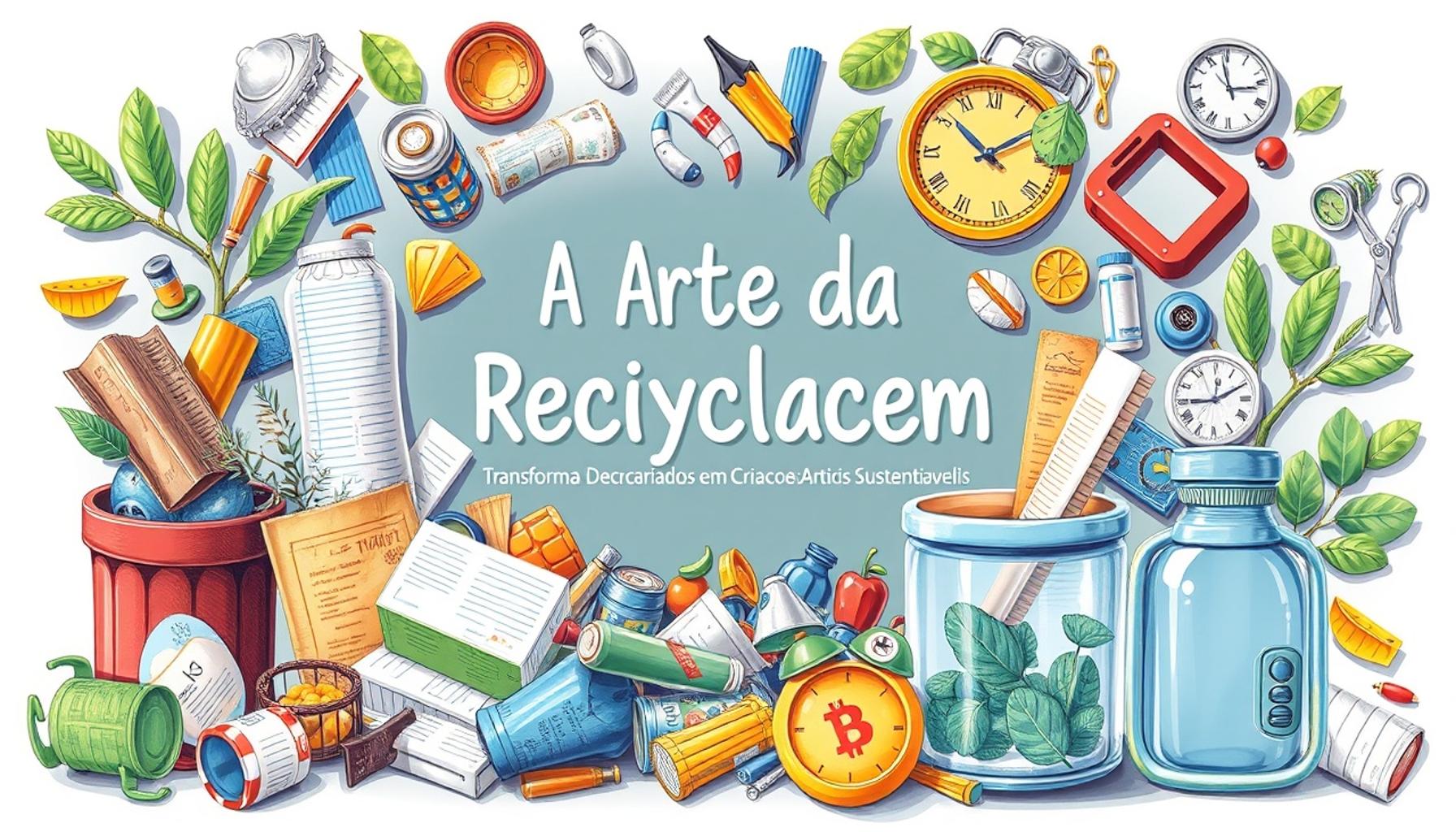
As we navigate through the complexities of modern living, the intersection of creativity and ecological consciousness is becoming increasingly vital. Artists are redefining the concept of value, utilizing materials that many would overlook, such as repurposed plastic bottles, old newspapers, and discarded wooden and metal scraps. This artistic revolution not only contributes to aesthetic innovations in our communities but also addresses significant environmental concerns like pollution and waste management.
Consider the eye-catching sculptures made from plastic bottles. These bottles, often found littering our landscapes, are transformed into magnificent artworks that capture attention and provoke thought. For instance, renowned artist Eliana Ghatman has created large-scale pieces that mimic ocean waves using thousands of plastic bottles, reflecting the dire issues of marine pollution and the urgency for change.
Techniques and Practices in Recycling Art
Artists are adopting a myriad of techniques that allow them to creatively repurpose materials. Some employ methods like upcycling, where discarded items are modified to serve a new and improved function. Others might incorporate assemblage, a technique that involves combining different found materials to create cohesive pieces. These methods not only highlight the original forms of the materials but also challenge viewers to appreciate their new context.
Leading Figures in the Movement
A number of prominent figures in the United States are leading the charge in integrating sustainability into art. Take Vik Muniz, for example. Muniz uses recyclable materials such as chocolate syrup and trash to create intricate portraits and landscapes that blur the lines between fine art and everyday life. His work showcases not just artistic talent but messages of social responsibility, prompting viewers to engage with environmental issues.
Another notable artist is Ricky Lee Gordon, known for his vibrant murals made from urban debris. Gordon deliberately selects his materials from local dumps and recycling centers, enhancing the community’s engagement with both art and sustainability. His work seeks to uplift neighborhoods while simultaneously addressing pressing environmental issues.
The Broader Impact of Recycled Art
The benefits of incorporating recycled materials into art extend beyond aesthetic appeal. They serve as a catalyst for public discourse on the impact of consumption and the urgency for sustainable practices in daily life. Art installations made from recycled materials often attract large audiences, fostering discussions about waste reduction and environmental accountability.
As audiences experience these transformative pieces, they are encouraged to reconsider their own habits and the lifecycle of materials in their lives. This interaction can lead to greater advocacy for sustainability, not just in the art world but across different sectors of society. Ultimately, this merger of art and sustainability fosters a richer dialogue about our collective environmental responsibilities.
In conclusion, the fusion between art and sustainability not only offers a platform for creativity but also serves as a powerful tool for awareness and change. As we continue to support artists who bravely embrace recycled materials, we become part of a larger movement that seeks to prioritize our planet’s health while celebrating human ingenuity.
DISCOVER MORE: Click here to dive into collaborative writing
Techniques and Practices in Recycling Art
Artists are adopting a myriad of techniques that allow them to creatively repurpose materials. Among these methods, upcycling stands out as a practice where discarded items are transformed to serve a new and improved purpose. This approach emphasizes the idea that materials often considered waste can have a valuable second life. Assemblage, on the other hand, involves the combination of various found materials to create cohesive and meaningful pieces. Through these methods, artists not only highlight the original forms of the materials but also challenge viewers to appreciate their new context.
Popular Techniques in Recycling Art
- Upcycling: Repurposing discarded items into functional art or new creations that are aesthetically pleasing and practical.
- Assemblage: Creating artworks by assembling different found objects, emphasizing their unique qualities and stories.
- Collage: Using paper, fabric, and other flat materials, artists combine various textures and images to convey complex narratives.
- Textile Art: Artists utilize fabric scraps, old clothing, and other textiles to create soft sculptures or wall hangings, promoting sustainability in fashion.
One of the most notable aspects of these practices is their accessibility. Many recycled art techniques can be initiated with materials readily available in homes or local environments. A simple visit to a local recycling center or a walk through a park can yield potential treasures waiting to be transformed. This democratization of art-making not only empowers individuals to participate but also promotes a culture of sustainability.
Moreover, artists such as Michael R. Thompson have gained attention for their work with electronic waste. By salvaging parts from discarded gadgets, he creates intricate sculptures that reflect the rapid pace of technological advancement and its repercussions on the environment. His creations invite viewers to consider the consequences of our consumer habits, pushing the boundaries of how art can communicate pressing issues.
Another prominent method involves collaborating with community members to source materials. This practice not only enriches the art-making process but also fosters a sense of connection among participants. Community-based art projects can create powerful visual narratives that address local environmental challenges while also serving to raise awareness about recycling and sustainability.
As more artists engage with these techniques, the conversation around recycling art only grows richer. Schools, galleries, and public art initiatives are increasingly featuring artists who incorporate recycled materials, suggesting a significant shift in how society views waste. Through the lenses of creativity and critical consciousness, the narrative of discarded materials is being rewritten—from trash to treasure.
In essence, the world of recycling art offers not just a means of creative expression but also practical solutions for environmental issues. By embracing these techniques, artists challenge us to rethink our relationship with waste and inspire a movement towards a more sustainable future.
| Advantage | Details |
|---|---|
| Environmental Impact | Reduces waste by repurposing materials, thus lessening landfill contributions. |
| Artistic Innovation | Fosters creativity as artists find new ways to utilize discarded items, producing unique artworks. |
| Community Engagement | Involves local communities in recycling initiatives, enhancing social bonds and awareness. |
| Economic Benefits | Creates new business opportunities within the upcycling market, driving economic growth. |
The art of recycling is not only about breathing new life into discarded materials; it intertwines sustainability with artistic expression, showcasing how creativity can solve environmental challenges. Artists engaged in this innovative practice help shift the perception of waste from something deemed useless to something filled with potential. Each recycled creation tells a story, highlighting the value hidden within what is often discarded. This movement encourages individuals and communities to rethink their relationship with materials, igniting a collective consciousness about the significance of sustainable practices. Events and workshops abound, allowing enthusiasts to glean insights from experts and collaborate, ultimately forging a tighter-knit community focused on sustainable artistry. The synergy between creativity and environmental stewardship paves the way for a cultural shift toward more sustainable living, promising a greener future for generations to come. Engaging in the art of recycling is an invitation to be part of a larger conversation about how our choices impact the planet.
DISCOVER MORE: Click here to learn about collaborative art
Community Engagement and Educational Initiatives
The integration of recycling art into community engagement and educational systems is burgeoning across the United States, fostering a profound appreciation for sustainability and creativity. Programs aimed at youth often incorporate hands-on activities where children can create their own works of art from everyday materials. This approach teaches them not only about artistic expression but also instills environmental consciousness from an early age. Organizations like Waste Management and Keep America Beautiful have launched initiatives that enable schools to not only educate students about waste reduction but also actively engage them in making art from recycled items.
In urban environments, community workshops are popping up in various neighborhoods, inviting residents to bring in their own materials for collaborative art projects. These workshops emphasize the concept of community resilience, demonstrating how art can foster a stronger sense of belonging and purpose among participants. For instance, the recycled art festivals held annually in cities such as San Francisco and Portland celebrate the intersection of creativity and sustainability, showcasing art created from everything from plastic bottles to discarded furniture. Local artists often lead these festivities, guiding attendees in transforming their trash into something spectacular.
Highlighting Local Issues through Art
Many recycling artists use their platforms to spotlight local environmental issues. For instance, artists working on the Art of Recycling project in New York City create large-scale installations from items collected in urban clean-up efforts. These installations not only beautify public spaces but also serve as stark reminders of the issues facing urban ecosystems, such as pollution and waste mismanagement. By utilizing materials that reflect the community’s environmental challenges, artists compel the public to engage in conversations around sustainability.
Participatory art projects, such as those led by the nonprofit organization Groundswell, illustrate the potential for recycling art to enact social change. The organization collaborates with underserved communities to transform neglected spaces into vibrant murals and installations made from recycled materials. This process empowers community members by allowing them to express their narratives while addressing environmental degradation in a creative way.
The Role of Technology in Recycling Art
The advancement of technology is also reshaping the landscape of recycling art. Digital art forms, holography, and interactive installations challenge traditional perceptions of art and sustainability. Artists like Casey Reas, one of the founders of Processing, utilize coding as a medium to create interactive pieces that involve recycled digital data. This intersection of technology and recycling art extends beyond physical materials, reflecting a shift in how society interacts with the concept of waste in the digital realm.
Meanwhile, technological innovations in 3D printing are enabling artists to create sculptures and objects from recycled plastic waste. Artists working with companies like 3D Printing For All employ this technique to promote the transformative potential of recycling, demonstrating not only the artistic value but also the practicality of repurposing materials that would otherwise end up in landfills.
As the methods of recycling art become increasingly sophisticated and diverse, the impact of these practices resonates beyond individual artworks. By illuminating the relationship between art, community, technology, and the environment, artists are forging a path toward a more sustainable future. The ongoing evolution of this field encourages society to reconsider its approach to waste and inspires a collective journey toward innovative and responsible consumption.
DIVE DEEPER: Click here to discover more
Conclusion
The realm of recycling art signifies a revolutionary approach to both artistic expression and environmental stewardship. As explored throughout this article, the intersection of creativity and sustainability is not merely a concept but a dynamic movement gaining momentum across the United States. Through clever innovations, community initiatives, and educational programs, artists are transforming discarded materials into captivating works that challenge our perceptions of waste and inspire collective consciousness.
By engaging communities of all ages in the process of turning trash into treasure, these artistic endeavors cultivate an appreciation for our environment while fostering resilience and social cohesion. Events such as recycled art festivals and participatory projects highlight the power of collaboration, showcasing how local narratives can drive social change through art. Moreover, the integration of technology, from digital art to 3D printing, amplifies the impact of these creative transformations, opening new avenues for exploration and engagement.
Ultimately, the art of recycling pushes us to rethink the value of materials we often deem as refuse. It urges society to embrace a mindset of innovation and responsibility towards consumption and waste management. As we venture into the future, the ongoing evolution of recycling art will continue to inspire individuals and communities alike to envision a more sustainable world, proving that art—and the act of creation—can be a powerful catalyst for change. Embrace this movement, and let the art of recycling awaken your creativity and commitment to a greener planet.