
Sustainable Cuisine: Creative Practices for Cooking with Local and Organic Ingredients
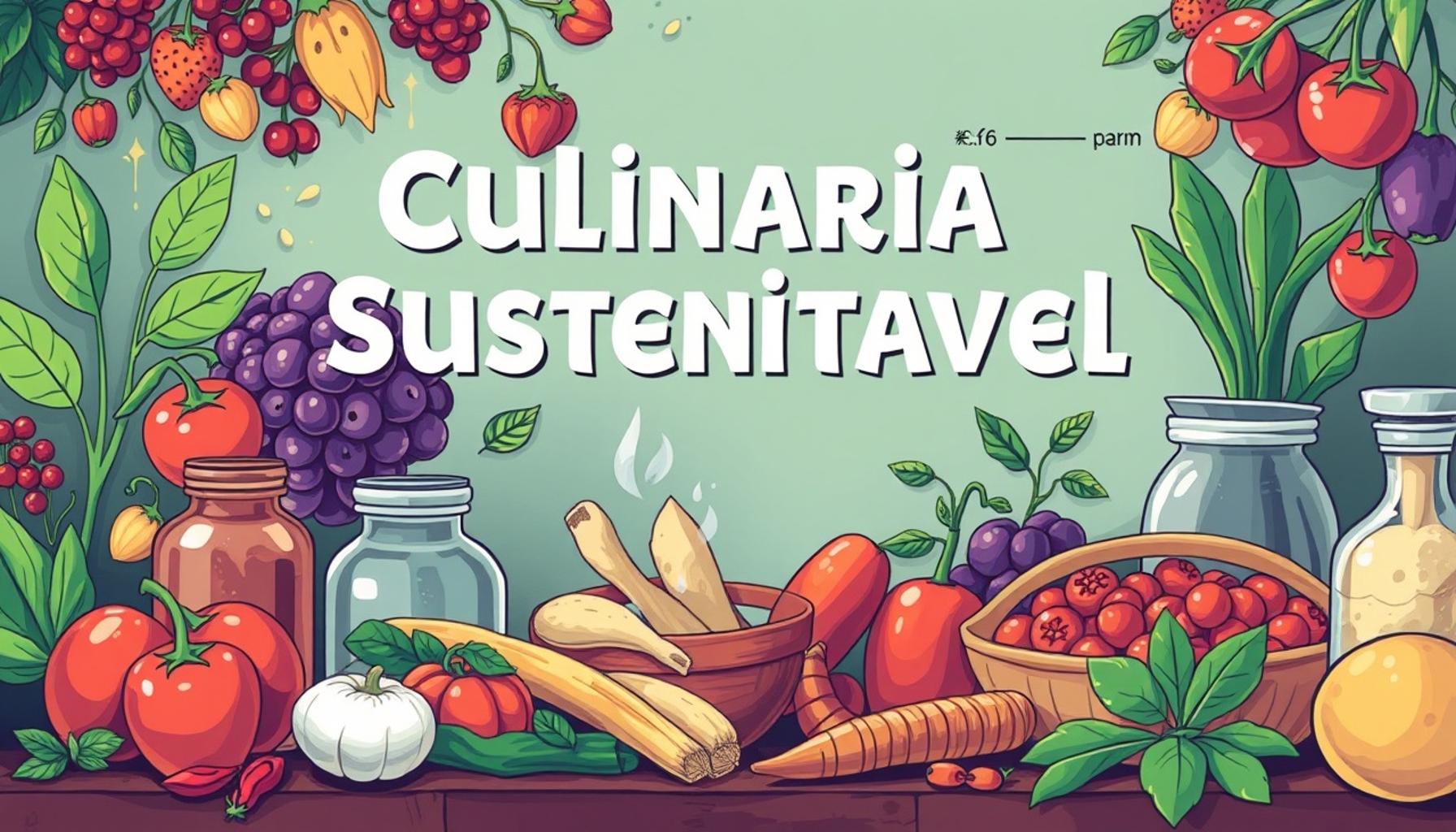
Understanding the Importance of Sustainable Cuisine
In a world increasingly aware of its ecological footprint, the trend toward sustainable cuisine emerges as a beacon of hope. This movement encourages consumers and chefs alike to embrace food systems that respect our environment while enriching the culinary landscape. By choosing local and organic ingredients, we connect more deeply not only with our food but also with the traditions and communities that surround it.
Innovative Approaches to Sustainable Eating
The principles of sustainable cuisine can be observed through various innovative practices. Here are a few standout examples:
- Farm-to-Table Dining: This approach champions restaurants that proudly feature ingredients sourced from local farms. Not only does this create fresher meals, but it also fosters a direct connection between diners and food producers, allowing patrons to appreciate the story behind each dish.
- Seasonal Cooking: A focus on preparing dishes that utilize ingredients at their seasonal peak not only enhances flavor but also reduces the carbon footprint associated with out-of-season produce. For example, enjoying heirloom tomatoes in the summer or butternut squash in the fall can provide vibrant and delicious meals that change with the seasons.
- Zero-Waste Kitchen: Innovative chefs are now employing creativity to use every bit of an ingredient. This can mean transforming vegetable scraps into broths or using fruit peels in desserts. By minimizing waste, restaurants can significantly reduce their overall environmental impact.
Community Benefits of Sustainable Practices
Beyond healthy eating, these practices wield significant positive effects on our communities. By opting for local foods, consumers can:
- Strengthen regional economies: Supporting local farmers and producers injects money back into communities, generating jobs and preserving local traditions.
- Reduce carbon footprints: Choosing locally sourced ingredients cuts down on the fossil fuels burned during transportation, which is particularly beneficial in a sprawling country like the United States.
- Enjoy richer flavors: Freshly harvested produce typically offers a taste and nutritional quality that far exceeds that of items transported over long distances.
Engaging with Local Food Sources
As sustainable cuisine gains traction, an increasing number of individuals are adopting creative methods to incorporate organic ingredients into their everyday meals. Opportunities abound, from starting backyard gardens to joining local co-operatives, where community members can share resources and knowledge about sustainable practices.
Exploring sustainable cuisine offers not just a chance to join a vital global movement, but also an invitation to embark on a flavorful journey of creativity and responsibility. By focusing on local and organic ingredients, we can transform our relationships with food, ensuring that our choices nourish not only our bodies but also the very planet we inhabit.
DIVE DEEPER: Click here to discover more about collaboration in creative communities</p
Creative Practices for Cooking Sustainably
Sustainable cuisine is not merely a trend; it is an evolving philosophy that integrates environmental consciousness with culinary artistry. At its core, the practice encourages the use of local and organic ingredients, fundamentally shifting how we approach our meals. This shift is vital, as it aligns with a growing demand for practices that prioritize not only taste but also the planet’s health. So, how can we creatively incorporate these principles into our cooking routines?
Exploring Local and Organic Ingredients
A central tenet of sustainable cuisine is the celebration of local and organic ingredients. Choosing ingredients that are grown without the use of synthetic pesticides or fertilizers supports sustainable agriculture. Furthermore, sourcing these items from local farms helps decrease the carbon emissions associated with transporting food over vast distances. Consider these practices when incorporating local and organic ingredients into your cooking:
- Visit Farmers’ Markets: Regular trips to farmers’ markets not only provide access to the freshest produce but also foster a relationship with local farmers. Building these connections enhances the understanding of where food comes from and the practices used in its cultivation.
- Community Supported Agriculture (CSA): Joining a CSA is another excellent way to engage with local food sources. Subscribers receive weekly boxes of seasonal produce, which encourages creativity in the kitchen as cooks experiment with unfamiliar vegetables and fruits.
- Plan Your Meals Around Seasonal Offerings: Adapting your weekly menu to highlight seasonal ingredients can lead to innovative dishes while ensuring that you consume food at its peak flavor. Researching what fruits and vegetables are in season, such as local berries in the summer or root vegetables in the fall, helps in making informed shopping choices.
Transforming Traditional Recipes with Local Flavors
One of the most enjoyable aspects of adopting sustainable cuisine practices is the opportunity to reinterpret traditional recipes. For instance, using locally sourced grains in a classic pasta dish not only enhances flavor but also supports nearby farmers. Here are some strategies to creatively modify recipes:
- Substitute Ingredients: When a recipe calls for out-of-season ingredients, swap them for local alternatives. For instance, instead of importing avocados, try making a creamy dressing with locally sourced nuts and seasonal herbs.
- Incorporate Unique Local Varieties: Explore heirloom or unique varieties that local farmers grow, such as Black Kale or Cherokee Purple tomatoes. These can add unexpected flavor profiles and textures to your dishes.
- Experiment with Fermentation: Incorporating local produce into fermented foods can both preserve seasonal flavors and introduce beneficial probiotics into your diet. Try pickling vegetables sourced from farmers’ markets or creating your own sauerkraut using local cabbage.
By engaging creatively with local and organic ingredients, not only do we support our communities, but we also enrich our own culinary experiences. The possibilities are endless when it comes to sustainable cuisine, and as we delve deeper, we discover a world of flavors and friendships that thrive on respect for the land and its harvests.
| Advantage | Description |
|---|---|
| Enhanced Flavor Profiles | Local ingredients offer superior taste, enhancing the overall quality of dishes. |
| Environmental Benefits | Cooking with organic ingredients reduces carbon footprints and minimizes pollution. |
| Supports Local Farmers | Promotes local economies by buying directly from farmers, fostering community relationships. |
| Nutritional Value | Local and organic produce is often fresher, maintaining nutritional content better than mass-produced alternatives. |
Exploring these advantages not only highlights the benefits of adopting sustainable cuisine practices but also invites readers into a world where food choices are both delicious and environmentally conscious. The synergy between local farmers and organic ingredients creates a pathway for a more resilient food system, ultimately enriching our culinary experiences while safeguarding our planet. By choosing to incorporate these elements into our cooking, we become part of a larger movement advocating for sustainability and health.
DIVE DEEPER: Click here to discover the impact of improvisation on creativity
Enhancing Flavor with Sustainable Techniques
Creative practices in sustainable cuisine extend beyond ingredient sourcing; they encompass innovative cooking techniques that respect and elevate the flavors of local and organic produce. By employing traditional and modern methods, cooks can enhance their meals’ nutritional profiles and taste while minimizing waste and energy consumption. Here are some noteworthy techniques to explore:
Emphasizing Plant-Based Cooking
The transition towards sustainable cuisine frequently aligns with a plant-based approach. Integrating more vegetables, grains, legumes, and nuts into your diet not only reduces your environmental footprint but also promotes healthful eating. Consider how you can make plants the star of your plates:
- Root-to-Leaf Cooking: Minimize food waste by utilizing all parts of a plant. For instance, carrot tops can be blended into pesto, while beet greens can be sautéed or added to salads. This practice not only gets creative in the kitchen but also ensures a more sustainable food cycle.
- Seasonal Plant-Based Menus: Design menus that celebrate each season’s bounty. During fall, try hearty pumpkin soups or squash risottos. In the spring, consider vibrant salads using local greens, radishes, and herbs for a refreshing balance.
- Innovative Plant Proteins: Experiment with plant-based substitutes like lentils, chickpeas, and quinoa to create filling, protein-rich meals. For instance, consider making lentil tacos or chickpea curries that highlight local spices and ingredients.
Utilizing Sustainable Cooking Methods
How we cook our food significantly impacts sustainability. By selecting energy-efficient techniques, you can reduce your carbon footprint while enhancing flavors:
- Solar Cooking: Embrace the power of the sun by using solar cookers, which harness sunlight to prepare meals. This method is particularly effective for slow-cooked dishes, and it provides an innovative way to make use of renewable energy.
- Batch Cooking and Preservation: Make large quantities of meals and store them in sustainable containers. By preparing dishes like soups or stews using in-season ingredients, you reduce cooking energy and can share meals with friends or family.
- Low-Temperature Cooking: Techniques such as sous-vide allow for precise temperature control while preserving nutrients and flavors. This method is not only efficient but reduces the need for excess energy consumption commonly associated with traditional cooking methods.
Engaging in Foraging and Wildcrafting
Foraging is an activity that connects cooks more deeply with their local environment. It can foster a sense of adventure and encourage a greater appreciation for nature’s offerings. Before considering foraging, however, it’s important to have a solid understanding of local flora:
- Know Your Edibles: Research local plants, mushrooms, and herbs that are safe for consumption. Community workshops often exist and are a great resource for beginners wanting to discover local wild food treasures.
- Ethical Foraging: Follow sustainable practices by taking only what you need and ensuring that you do not disturb fragile ecosystems. Adhering to local foraging guidelines can help maintain the delicate balance of native plant populations.
- Integrate Foraged Ingredients: Wild herbs, berries, and greens can add unique flavors to your dishes. Consider incorporating foraged ingredients into salads, infused oils, or even as garnishes to elevate your meal presentations.
Through these sustainable cooking practices, individuals can not only take part in a global movement towards environmental stewardship but also enhance their culinary repertoire. Such creative adaptations to cooking foster a deeper connection to the ingredients themselves and the regions they hail from, creating meals rich in both flavor and purpose.
DISCOVER MORE: Click here to dive deeper
Conclusion: Savoring the Future Through Sustainable Cuisine
As we delve into the realm of sustainable cuisine, it becomes evident that the practices we adopt in our kitchens resonate far beyond the dinner table. The creative methodologies for utilizing local and organic ingredients not only elevate the culinary experience but also underscore our responsibility as consumers and stewards of the environment. By exploring techniques such as root-to-leaf cooking, plant-based innovations, and foraging, we rediscover the value inherent in nature’s bounty while minimizing waste and energy consumption.
These practices invite us to rethink our relationship with food, reminding us that sustainability can be deliciously creative. As we craft meals that celebrate seasonal produce, we grow more connected to our communities and ecosystems, leading to a more profound appreciation for the resources available to us. Moreover, incorporating energy-efficient cooking methods not only benefits our taste buds but also fosters a culture of environmental consciousness.
The journey towards a sustainable kitchen is not just a trend; it is a movement towards lasting change, where each meal becomes a testament to our commitment to the planet. As you embark on this culinary adventure, consider the diverse flavors that can emerge from a relationship with local farmers and a newfound curiosity in your own backyard. Ultimately, embracing sustainable cuisine enriches our lives and ensures that future generations can also savor the joys of nourishing, healthful, and environmentally friendly meals.