Cooking with Kids: Fun Activities to Develop Culinary Skills in the Family
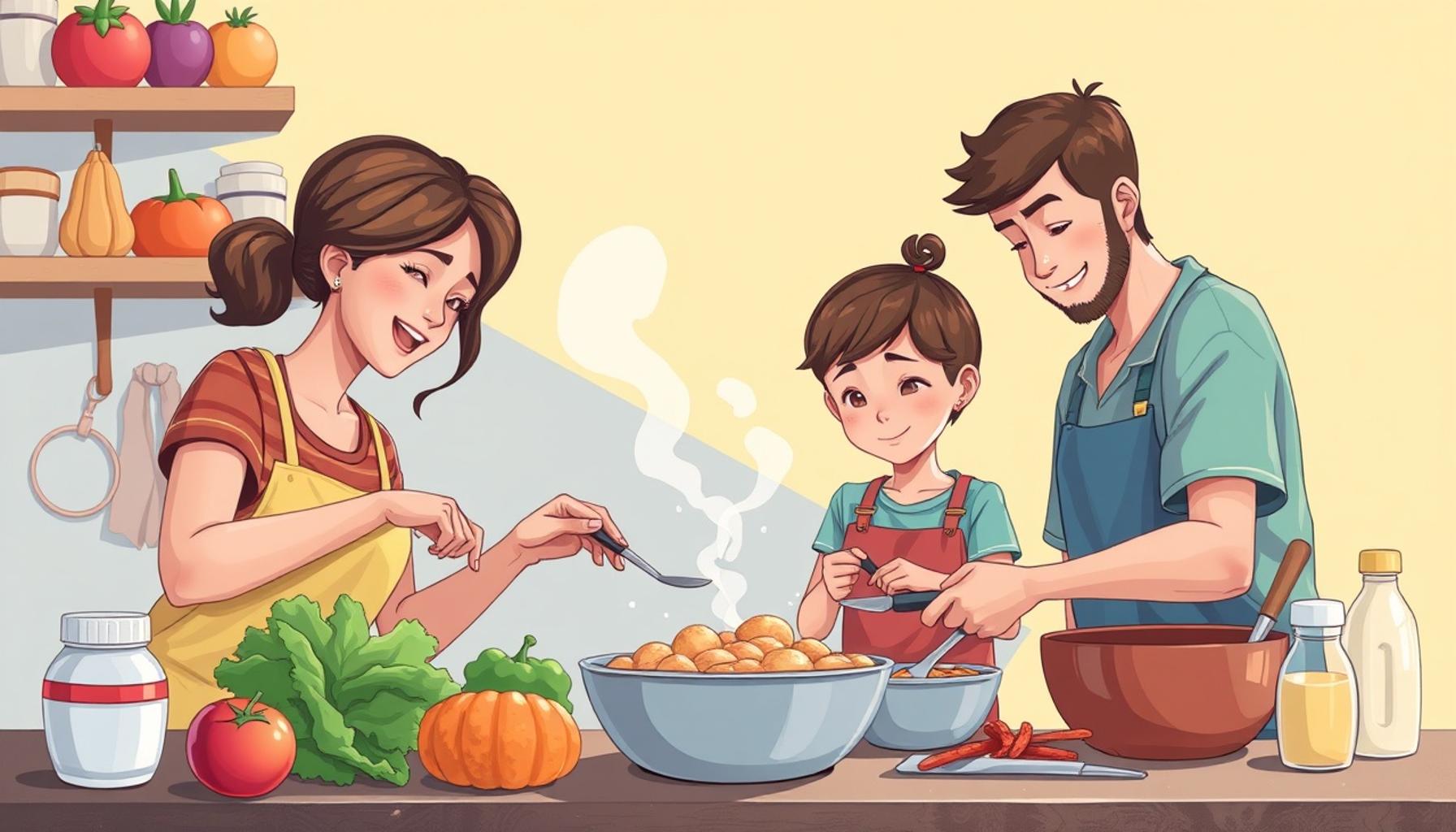
Discovering the Joy of Culinary Adventures Together
Cooking with kids opens the door to a world of delicious possibilities. It’s not just about preparing meals; it’s an opportunity to create lasting memories while fostering essential life skills. Engaging children in the kitchen lays a foundation for healthy eating habits, creativity, and critical thinking. These moments become cherished family traditions, enriching relationships and enhancing personal growth.
When children participate in cooking, they develop a wide array of skills that extend far beyond the kitchen. Here are some key benefits:
- Creativity: Kids express themselves through food, allowing them to experiment with flavors and presentation. For example, while making a fruit salad, children can choose their favorite fruits and arrange them in fun patterns or colors, turning a simple dish into an artistic endeavor.
- Math and Science: Measuring ingredients and understanding the cooking processes enhance critical thinking. Whether they are learning about fractions through ingredient measurements or observing how heat transforms food during cooking, children engage with essential concepts in an enjoyable way.
- Nutrition Awareness: Cooking encourages a greater appreciation for healthy ingredients and balanced meals. As kids learn about the nutritional value of different foods, they become more inclined to make healthier choices, which is pivotal in combating childhood obesity. You might explore how to substitute ingredients to create healthier versions of their favorite meals.
Besides educational benefits, involving children in meal preparation also strengthens family bonds. It encourages teamwork and communication, promoting discussions that might not happen during hectic weekdays. Each step from selecting produce at the grocery store to enjoying the final dish at the dinner table becomes an opportunity to connect.
As you embark on these culinary adventures, consider starting with fun activities such as:
- Homemade Pizza Night: A favorite in many households! Let kids customize their pizzas with toppings, allowing them freedom of choice while introducing them to different vegetables.
- Baking Cookies: This is perfect for teaching kids how to measure ingredients accurately while having fun creating various shapes. You can explore different flavor combinations, aiming to satisfy your family’s sweet tooth.
- Garden-to-Table: If you have access to a garden or even a small container, growing herbs or vegetables together before cooking can be incredibly rewarding. This not only helps kids understand where their food comes from but also makes cooking a more gratifying experience.
Ultimately, cooking is a journey that can be both educational and joyful. Follow along as we dive deeper into exciting techniques and enjoyable recipes designed to enhance your family’s culinary skills. Encourage your kids to contribute new ideas and flavors, making the kitchen a place for discovery and delight. As you explore the culinary arts together, you will find that you are not only creating meals but creating bonds and memories that will last a lifetime.
DISCOVER MORE: Click here to ignite your creativity
Building a Foundation for Lifelong Culinary Skills
Cooking with kids can be an enriching experience that extends beyond just simple meal preparation. It’s a holistic approach to instill culinary skills, boost confidence, and encourage a healthy relationship with food. By introducing children to cooking early on, parents can set the groundwork for dietary awareness and foster curiosity about different cuisines and ingredients.
The kitchen serves as an excellent classroom. Activities that involve various senses not only captivate children but also help harmonize their cognitive skills with manual dexterity. Here are some fun and engaging activities to kickstart your family’s culinary journey:
- Flavor Exploration: Begin with a “taste test” session where kids can sample different herbs, spices, and cooking oils. Ask them to describe their tastes, encouraging vocabulary development related to flavor and aroma. This activity can spark conversations about where these ingredients come from and how they can be used in different dishes.
- Cultural Cooking Explorations: Select recipes from various countries around the world to promote cultural appreciation through cuisine. For instance, making sushi can introduce kids to Japanese culture, while preparing tacos can teach them about Mexican traditions. This activity ties culinary skills to broader social studies.
- Seasonal Cooking Projects: Encourage kids to cook with seasonal ingredients, which can be educational and fun. Engage them in selecting fruits and vegetables at the local farmers’ market, and later, transform these items into delicious seasonal dishes. This connection to the food cycle fosters a sense of responsibility and respect for nature.
- Kitchen Science Experiments: Cooking is inherently scientific. Demonstrating how baking soda reacts with vinegar or how heat causes chocolate to melt allows children to link cooking with scientific principles. This hands-on learning merges creative expression with analytical skills.
Alongside these activities, it is essential to emphasize safety in the kitchen. Teach children about safe handling of kitchen tools, as well as proper hygiene practices, such as handwashing and ingredient storage. With the right guidance, kids can learn the importance of food safety, making them confident cooks in a nurturing environment.
As your family engages in these culinary experiences, remember that mistakes will happen. Embracing errors as part of the learning process not only consoles children but also encourages resilience and problem-solving skills. Cooking is as much about the journey as it is about the finished dish; it’s filled with laughter, spills, and lessons learned along the way.
Acknowledging the myriad benefits of cooking with kids, from fostering nutritional literacy to building self-esteem, you position your family for a lifetime of enjoyable cooking experiences. Stay tuned as we delve deeper into specific recipes and culinary techniques that will further enhance these invaluable family moments.
| Advantage | Description |
|---|---|
| Enhances Culinary Skills | Kids learn essential skills like measuring, cutting, and following recipes while having fun. |
| Promotes Family Bonding | Cooking together creates opportunities for communication, teamwork, and creating lasting memories. |
Engaging in cooking with children transforms meal preparation into an enjoyable and educational experience. By enhancing culinary skills, kids gain confidence and learn to appreciate the art of cooking. Breaking down complex tasks into manageable steps fosters problem-solving skills and boosts their creativity as they experiment with flavors and presentations. Furthermore, the process of cooking together not only promotes family bonding but also cultivates a sense of responsibility, as children take ownership of their culinary creations. This shared activity can ignite a lifelong passion for cooking, encouraging healthier eating habits by involving children in meal decisions. As families navigate through various challenges, the kitchen becomes a central hub of laughter and learning, showcasing the profound impact of cooking as a shared family activity.
DISCOVER MORE: Click here to learn how music can promote self-care
Expanding Culinary Horizons and Creating Family Traditions
Cooking with kids is not just about skills; it also offers opportunities to forge deep connections and create cherished family traditions. Engaging children in the kitchen empowers them to innovate, express themselves, and celebrate their cultural identity through food. Let’s explore more ways to cultivate these enriching experiences:
- Family Recipe Book: Have each family member submit their favorite recipes to form a family recipe book. Encourage kids to draw pictures demonstrating the preparation steps or write personal anecdotes related to the dishes. This activity not only cultivates culinary skills but also preserves family traditions and histories, nurturing a sense of belonging and pride in their heritage.
- Cooking Competitions: Host friendly cooking competitions within the family, similar to popular cooking shows like “Chopped”. Set a mystery ingredient that everyone must incorporate into their dish. This enhances creativity while encouraging teamwork. It also helps kids learn to think on their feet, adapt recipes, and present their creations appealingly.
- Gardening Together: For families with available outdoor space, growing herbs or vegetables together can be immensely rewarding. Children learn about the life cycle of food, from seed to plate, and develop a sense of accomplishment as they harvest ingredients for their meals. Nutritional benefits also arise from eating fresh produce directly grown by their hands.
Additionally, incorporate themed cooking nights to inject fun into routine meal preparation. Think Pizza Night where everyone crafts their own personal pizzas or Asian Cuisine Night featuring dumpling-making. These themes transform the kitchen into a playful hub, making cooking feel less like a chore and more like an event to look forward to.
In enhancing the educational aspect of cooking, consider introducing basic math skills using cooking measurements. Let kids practice measuring cups and spoons as they follow a recipe. This practical application reinforces their learning while instilling mathematical confidence. For older children, introducing culinary techniques—like how to properly chop vegetables or season dishes—can lay a strong foundation for more complex cooking skills.
Moreover, nurturing creativity in the kitchen can lead to surprising outcomes. Encourage kids to experiment by swapping ingredient ratios or trying unconventional combinations. For instance, using coconut milk instead of regular milk in pancakes can evoke delightful flavor surprises. This element of exploration breeds innovation, laying the groundwork for budding chefs as they refine their palates and develop their unique culinary tastes.
Alongside all this fun, integrate storytelling into the cooking process. Sharing tales of family gatherings, cultural significance related to certain dishes, or even funny kitchen mishaps can elevate children’s enthusiasm for cooking. When kids feel connected to the narratives behind the meals they prepare, they imbue their dishes with richer meaning and appreciation.
The journey of cooking with kids is dynamic and multifaceted. Each activity not only sharpens their culinary skills but inadvertently teaches lessons about culture, cooperation, and creativity. By investing time in this fundamental life skill, families create lasting memories, healthier lifestyles, and, most importantly, a joyful and inclusive environment where every meal becomes a celebration.
DISCOVER MORE: Click here to dive into the therapeutic power of creative writing
Conclusion: The Lasting Impact of Cooking Together
In wrapping up our exploration of cooking with kids, it’s clear that the kitchen is more than just a space for meal preparation; it serves as a vibrant classroom where families can bond, learn, and grow together. The activities discussed illustrate just how transformative cooking can be, from creating a family recipe book that preserves treasured culinary traditions to organizing friendly cooking competitions that spark creativity and teamwork among family members.
Moreover, engaging in activities such as gardening not only enhances culinary skills but deepens children’s understanding of the food they consume. By instilling an appreciation for healthy eating and self-sufficiency through homegrown vegetables, families can foster lifelong habits that lead to better nutrition. Themed cooking nights serve as an effective way to break monotony and ignite excitement around meal preparation, turning the everyday into memorable experiences.
As parents and guardians encourage experimentation and storytelling in the kitchen, children learn that cooking is a creative process rather than a rigid task. This fosters exploration and self-expression, essential components of both personal and culinary development. Overall, cooking with kids fosters not just culinary skills, but a rich tapestry of traditions, values, and stories that will resonate through generations.
In closing, the fun of cooking as a family not only cultivates essential skills but also strengthens bonds, nurtures creativity, and reinforces cultural connections. Therefore, make it a point to integrate cooking activities into your family routine, and watch as the kitchen transforms into a haven of love, laughter, and wonderful culinary adventures.