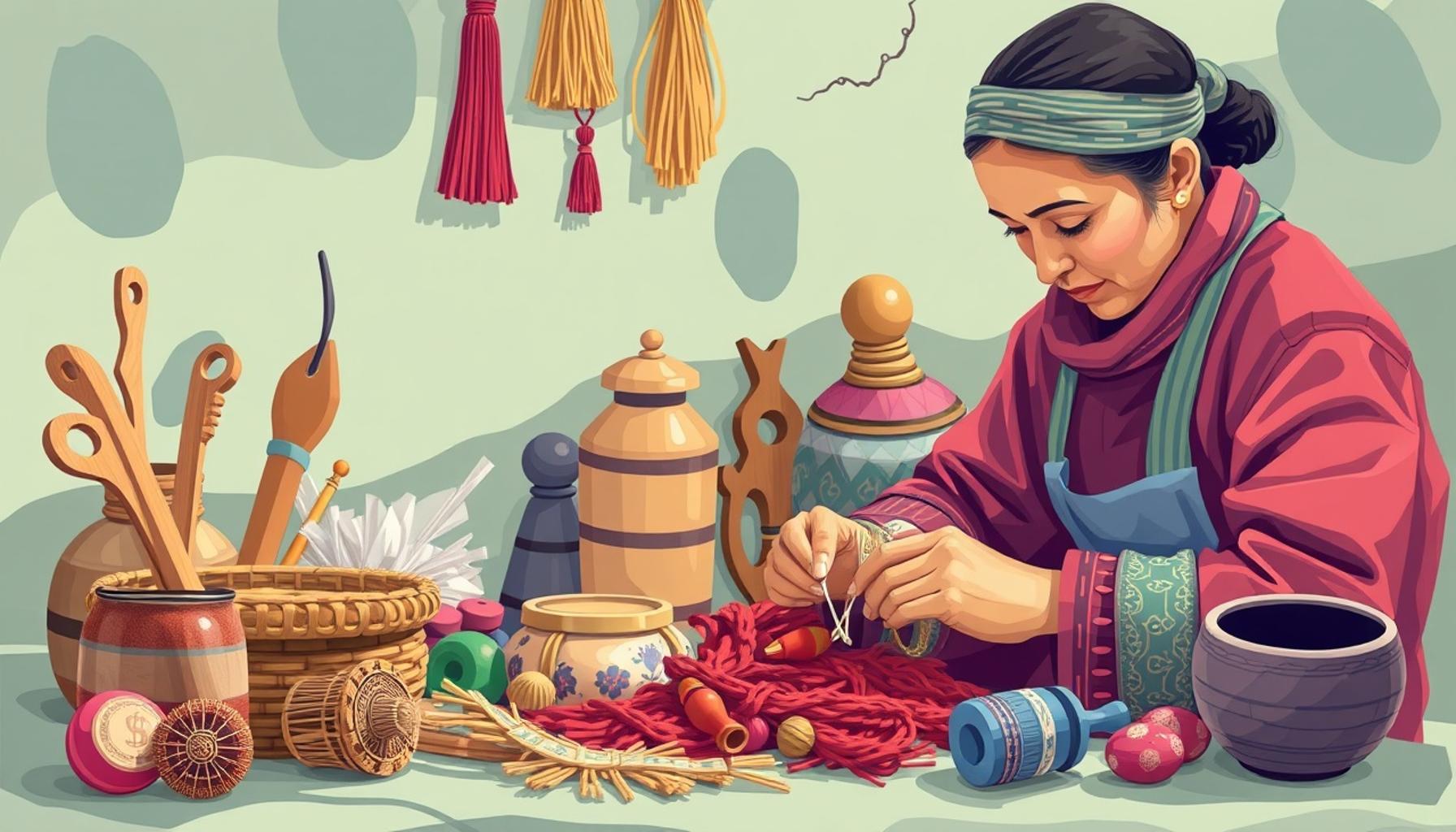
The Magic of Homemade Ceramics: How to Create Utensils and Artworks with Clay
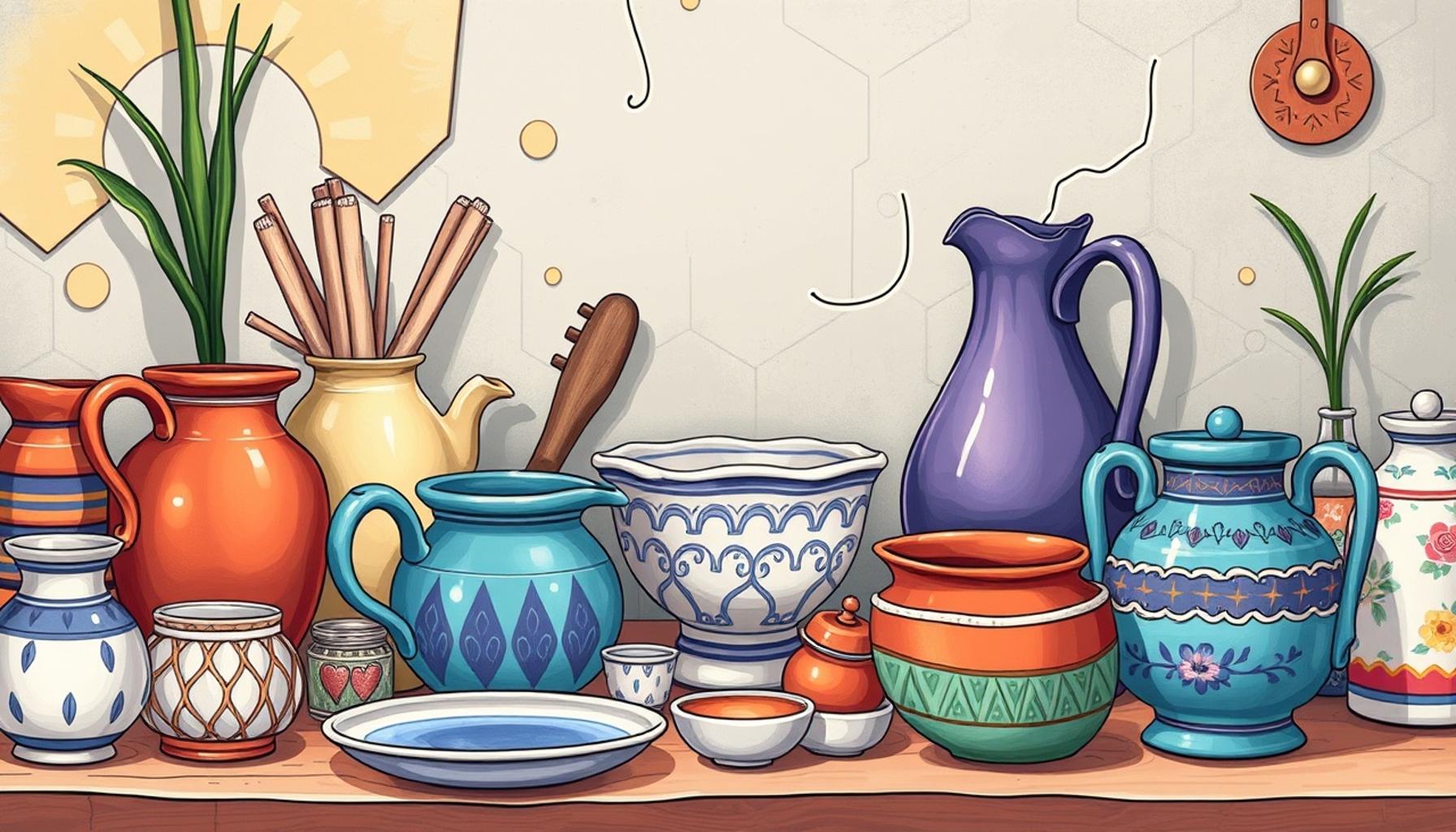
Unlocking the World of Clay
Imagine transforming a simple lump of clay into stunning ceramics that reflect your creativity. The magic of homemade ceramics lies in its ability to turn your imagination into tangible artifacts. From organic forms to functional utensils, the possibilities are limitless. Crafting with clay invites you to experiment and explore the intersection of art and utility.
Why Create with Clay?
- Artistic Expression: Craft unique pieces that showcase your style. Each ceramic item you create can embody your individual aesthetic, allowing personal touch and innovation. Whether you lean towards minimalism with clean lines or favor bold designs with vibrant glazes, the medium encourages exploration and self-discovery.
- Sustainability: Use locally sourced materials and reduce waste. In a world increasingly focused on eco-conscious living, creating ceramics can be a sustainable choice. By sourcing clay from local suppliers and using non-toxic glazes, artists can produce pieces that are not only beautiful but also environmentally friendly.
- Mindfulness: Engage in a therapeutic process that calms the mind. Working with clay is not just a creative outlet; it is also a form of therapy. The tactile experience of kneading, shaping, and molding clay can be meditative, helping to alleviate stress and foster concentration. This hands-on approach brings you into the moment, allowing a break from everyday life’s distractions.
With just a few tools and techniques, anyone can start creating beautiful items. Basic supplies include clay, a work surface, simple hand tools, and access to a kiln for firing your creations. Handmade ceramics can adorn your kitchen table or serve as captivating decor in your home. Picture a carefully crafted mug that offers warmth during your morning coffee ritual or an intricately designed bowl serving as a centerpiece for family gatherings.
What Can You Make?
- Dishware: Bowls, plates, mugs, and more. Imagine serving meals on plates that you have crafted with your own hands. Each piece is not only functional but also a conversation starter that impresses guests.
- Decorative Items: Vases, sculptures, and wall art. The artistry found in ceramics extends beyond practical items. Decorative pieces can add a unique touch and personality to any space, whether it’s a striking sculpture that captures attention or a delicately crafted vase that enhances your blooms.
- Planters: Stylish pots for your indoor plants. With the trend of indoor gardening on the rise, creating custom planters allows you to showcase your greenery while ensuring that your designs complement the plants’ beauty. Imagine terracotta pots adorned with intricate carvings or brightly glazed planters that become focal points in your living room.
Each piece tells a story, reflecting the maker’s personality and vision. Embrace the tactile nature of clay and discover how shaping it can lead to not only beautiful items but also a rewarding hobby. By embarking on this creative journey, you not only cultivate skills but also cultivate a deeper connection to the materials and traditions of craftsmanship. Dive into the world of clay and unleash your imagination today.
Dive Deeper: Click here to uncover the link between music and creativity
Getting Started: Tools and Techniques
Before diving into the world of homemade ceramics, it’s essential to familiarize yourself with the basic tools and techniques that will support your creative journey. Whether you’re crafting for fun, purpose, or both, having the right setup will aid in the smooth development of your ceramic projects.
Essential Tools for Ceramic Creation
To begin your ceramic adventure, gather the following essential tools:
- Clay: Choose from earthenware, stoneware, or porcelain, depending on the desired finished product. Each type of clay behaves differently, so explore which suits your style.
- Work Surface: A sturdy table or dedicated workspace ensures comfort and ease while working. Consider investing in a smooth board, like a piece of plywood, for rolling out your clay.
- Hand Tools: A variety of hand tools, including cutters, sculpting tools, and sponges, will help in shaping and finishing your pieces. Look for basic sets available at craft stores.
- Rolling Pin: Useful for flattening clay to create slabs for vessels or tiles. This tool helps maintain even thickness and uniformity.
- Kiln: Necessary for firing your creations to harden the clay and set glazes. If you don’t own a kiln, check for local ceramic studios or community spaces that offer firing services.
Basic Techniques to Master
Getting hands-on with clay can be both an exciting and daunting experience. Here are some fundamental techniques every beginner should try:
- Pinch Pots: Great for beginners, pinch pots are created by starting with a ball of clay and using your fingers to pinch and shape it into a pot-like form. This technique encourages creativity and spontaneity.
- Coil Method: Roll out long, snake-like pieces of clay to build up the walls of your vessel. This technique allows for greater stability and is ideal for creating larger pieces.
- Slab Building: By rolling out flat sheets of clay, you can create geometric shapes or frames that can be assembled into various forms. This method lends itself to crafting unique platters or decorative items.
- Wheel Throwing: After mastering the basics, consider advancing to the potter’s wheel. This technique allows for fluid and dynamic shaping of clay, ideal for making uniform and symmetrical pieces.
Experimenting with various techniques will reveal distinct styles and forms, enhancing your practice as you progress. Take consistent notes on your experiences, including successes and challenges, to track your growth and quantify your learning journey. Each attempt contributes to your artistry as you transition from a novice to a proficient ceramicist. Embrace the process—failure often sparks the most beautiful discoveries!
The excitement of creating utensils and artworks with clay lies not just in the finished product but in the exploration. As you hone your skills and learn from each experience, you cultivate a deeper relationship with sculpture and pottery, gaining greater insight into the merging of form and function. Discover the endless possibilities that await as you venture into the magical realm of homemade ceramics!
The Creative Process of Working with Clay
Creating homemade ceramics is not only a rewarding artistic endeavor but also an opportunity to connect with a rich tradition of craftsmanship. The process begins with selecting the right type of clay, as different clays have unique properties that influence the final product. For instance, earthenware is ideal for beginners due to its forgiving nature and vibrant colors, while stoneware offers durability for functional utensils.Once you’ve chosen your clay, shaping and molding techniques come into play. Methods like pinching, coiling, and slab building allow artists to explore various forms and textures, whether crafting a simple bowl or an intricate sculpture. As you mold your piece, it’s vital to understand the importance of moisture; too much can lead to cracking, while too little can inhibit proper shaping.After creating your masterpieces, the next critical phase is dried drying and firing the clay. Allowing your pieces to dry completely before firing is essential for achieving the desired strength and durability. The bisque firing process not only hardens the clay but also prepares it for glazing—a vital step in enhancing both aesthetics and functionality. The glazing stage opens up a world of creativity, allowing artists to select colors and finishes that best reflect their vision. This is where the true magic of homemade ceramics lies, as each glaze reacts differently during firing, leading to unforeseen yet beautiful results. The end products can range from vibrant, hand-painted dishes to elegant, monochromatic sculptures, captivating any admirer.By understanding these phases—selection, shaping, drying, firing, and glazing—anyone can unlock the enchanting world of ceramics. Whether you seek to make daily utensils or extraordinary art pieces, the possibilities with clay are endless, inviting all to embark on this expressive journey.
DISCOVER MORE: Click here to find out how music can transform your well-being</
Bringing Your Ideas to Life: Inspiration and Design
Now that you’ve equipped yourself with the essential tools and techniques for ceramic creation, the next step in your journey is designing and inspiring your collections of utensils and artworks. The beauty of homemade ceramics is that you can let your imagination roam freely, translating your ideas into tangible pieces that reflect your unique style and personality.
Finding Inspiration in Everyday Life
Inspiration can be found in the most unexpected places. Nature offers a treasure trove of designs; observe the curves of a leaf or the texture of bark to evoke natural patterns in your ceramics. Alternatively, look to your surroundings: old architecture, everyday objects, or traditional crafts can spark creativity. Art movements such as Bauhaus and Art Nouveau have also influenced many ceramicists, thanks to their emphasis on form and function. Engage in local art galleries or visit museums to broaden your perspective and inspire your vision.
Sketching and Planning Your Designs
Once inspiration strikes, transferring your ideas to paper can help in the planning stages. Sketch your concepts in detail, noting dimensions and shapes. Consider how colors and glazes will enhance your design—the possibilities are endless. Use sketching as a brainstorming tool, generating multiple variations before committing to a final product. Working out your designs in advance can streamline your process, allowing you to focus more on the creative aspects when working with clay.
Decorative Techniques to Personalize Your Work
Personalizing your ceramics is where the magic really happens. Various decorative techniques can add flair and distinctiveness to your pieces:
- Engobe: A colored slip applied to the surface of leather-hard clay, engobe allows you to create visually stunning contrasts and designs. Experiment with layering different colors to build depth.
- Carving: Utilize carving tools to etch patterns or images directly onto the clay surface. This technique can create intricate and detailed designs that stand out.
- Stamping: Use rubber or handmade stamps to imprint designs onto your pieces, infusing your artwork with unique textures and patterns that draw the eye.
- Glazing: The right glaze can transform your pottery into vibrant works of art. Explore different types of glazes, from glossy to matte, to find the perfect finish that complements your pieces.
Functional vs. Artistic Ceramics
As you delve into your creations, consider the purpose behind each piece. Functional ceramics, like mugs, bowls, and plates, serve practical needs, while artistic ceramics focus on aesthetic beauty. The lines between these two categories can blur; many artists find joy in creating functional art that enhances daily rituals. Whether you’re designing a unique teapot or a spectacular sculpture, remember that both categories offer opportunities to hone your skills and expand your artistic horizons.
When working with clay, it’s important to embrace a spirit of experimentation. Each piece is a learning opportunity, and the process can be just as fulfilling as the outcome. Allow your passion to guide you, and don’t shy away from the unexpected twists and turns that may arise along the way. Ultimately, the beauty of homemade ceramics lies in their capacity to transform simple clay into extraordinary utensils and artworks, each with a story waiting to be told.
DISCOVER MORE: Click here to dive deeper into the world of musical creativity
Conclusion: Embrace the Art of Homemade Ceramics
In the enchanting world of homemade ceramics, every piece you create tells a story, reflecting your creativity and personal touch. As you’ve discovered, the journey from a lump of clay to beautiful utensils and artworks involves not just technique, but also a deep connection to your inspirations and designs. Whether you find your muse in nature, architecture, or the comfort of daily life, remember that your unique perspective can elevate simplicity into something truly extraordinary.
As you experiment with various decorative techniques—be it engobe, carving, or glazing—you have the power to bring forth pieces that encompass both functionality and artistry. Balancing the roles of handmade ceramics as useful items and stand-alone art can lead to innovative creations that enhance your daily experiences and those of others. Remember, there is no right or wrong in this art form; every fired creation reflects your evolving skills and passions.
Ultimately, engaging in ceramics is about more than just crafting items; it’s a celebration of creativity, mindfulness, and self-expression. The joy lies not only in the finished work but in the process of exploration and learning. So, gather your materials, ignite your imagination, and dive into the magical realm of ceramics, where the possibilities are as boundless as your creativity. Your journey in crafting homemade ceramics will continue to unfold, revealing new techniques, stories, and connections along the way.