Contemporary Embroidery Techniques: Blending Classic and Modern Styles in Craft Projects
Exploring the Fusion of Styles
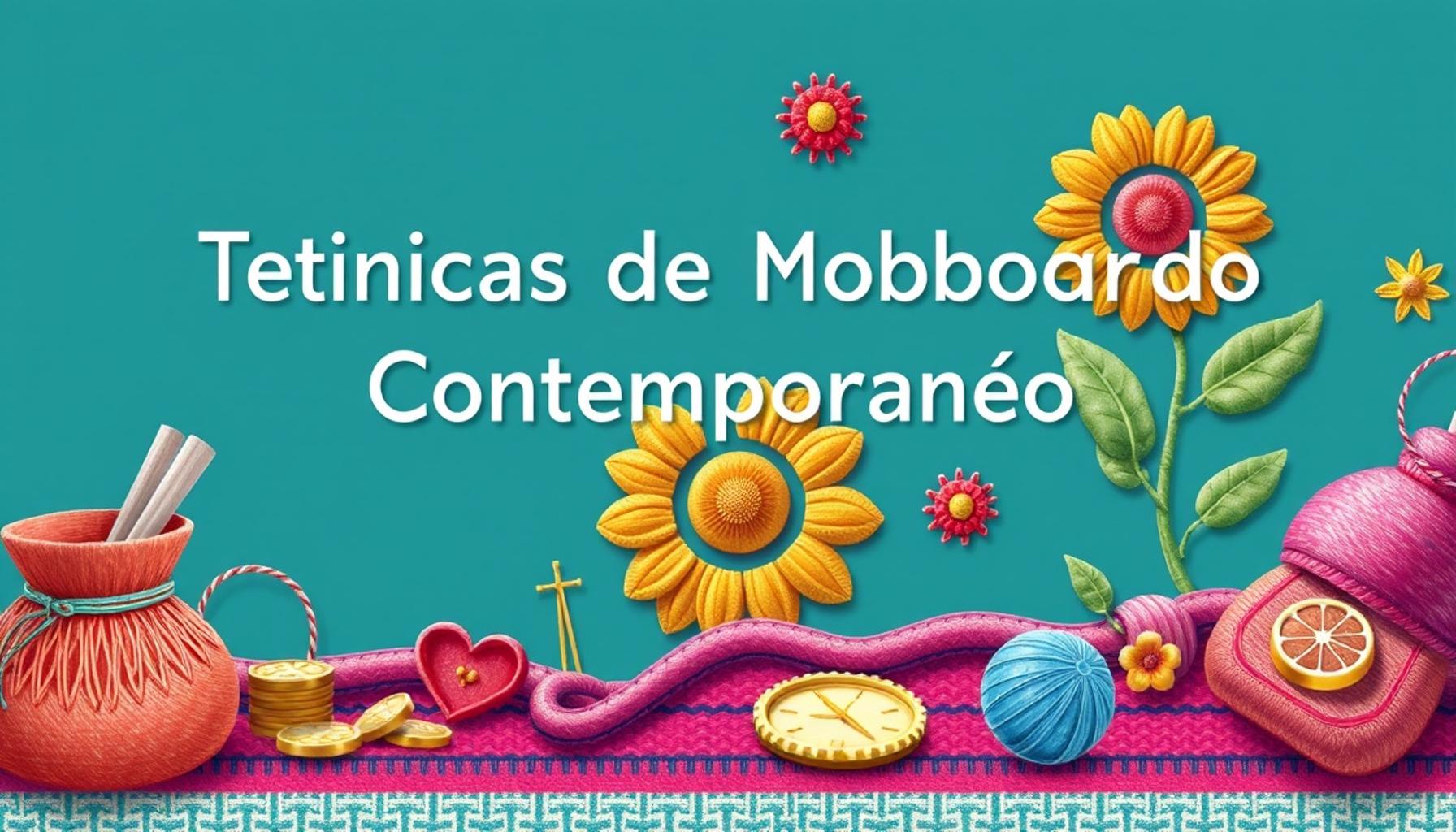
In recent years, embroidery has undergone a stunning evolution, inspiring crafters to merge traditional techniques with contemporary flair. This seamless blending creates unique pieces that resonate with both history and modernity. As enthusiasts experiment with diverse styles, the realm of embroidery expands, allowing for endless creativity.
The Allure of Contemporary Embroidery
Today’s embroidery revolution reflects several key features that demonstrate the innovative spirit of modern crafters:
- Innovative Materials: Crafters are using everything from metallic threads that shimmer in the light to eco-friendly fabrics sourced from sustainable materials. These choices not only enhance the beauty of the work but also align with a growing consciousness about environmental impact. For instance, brands like Moda Fabrics offer organic cotton options, allowing artisans to create stunning pieces while promoting sustainability.
- Creative Techniques: Techniques such as punch needle and sashiko bring a tactile quality and visual interest to projects. Punch needle, which involves using a special tool to create looping stitches, can result in plush, textured surfaces that are perfect for home décor. Sashiko, a traditional Japanese technique originally used for mending, has found a new life in contemporary designs, often featuring geometric patterns that appeal to modern aesthetics.
- Personal Expression: Custom designs and mixed media approaches invite crafters to express themselves in a way that traditional embroidery rarely allowed. For example, artists might combine embroidery with textiles from thrift shops or incorporate elements like beads and sequins, leading to pieces that narrate personal stories or reflect societal issues, such as identity and cultural heritage.
A Look Back and Forward
While merging old with new, it’s essential to consider how classic styles influence modern works. The roots of embroidery are rich in cultural significance and technical mastery, with techniques dating back thousands of years. Traditional methods from various cultures, such as the intricate patterns of Persian embroidery or the richness of Native American beadwork, provide a foundation for exploration. By examining these historical techniques, crafters can draw inspiration and find fresh ways to incorporate them into contemporary designs, creating a tapestry of the old and new.
Crafting a New Narrative
The allure of contemporary embroidery lies in its ability to tell stories that resonate with today’s audiences. Whether it’s through bold colors or unconventional patterns, modern projects reflect personal experiences and societal trends. Consider how some artists use their work to highlight pressing social issues, such as mental health awareness or environmental conservation, weaving narratives into their craft that allow viewers to engage with these topics on a deeper level. This dynamic art form invites you to explore its depths, urging both creators and observers to appreciate the dialogue between past traditions and future explorations.
As you dive into this evolving landscape of contemporary embroidery, you may find that each piece not only brightens your surroundings but also enriches your understanding of a shared cultural heritage. So, whether you’re picking up a needle for the first time or are a seasoned embroiderer, there’s a wealth of inspiration waiting to be discovered!
DISCOVER MORE: Click here to delve deeper
Embracing Innovation in Traditional Techniques
As crafters increasingly seek to differentiate their artistry, the integration of traditional embroidery techniques with modern styles has led to an exciting renaissance in this time-honored craft. By revisiting classic methods such as cross-stitch or crewel work, contemporary artisans are finding ways to incorporate innovative designs and materials that breathe new life into their projects. This reimagining is not only visually stunning but also offers an avenue for personal expression and storytelling.
The Role of Digital Technology
In today’s digital age, technology plays a pivotal role in the evolution of embroidery. With the advent of digital embroidery machines and user-friendly design software, crafters can now experiment with intricate patterns and automated stitching methods. Embroidery digitizing software like Wilcom and Embird enables users to convert images into stitch files, drastically simplifying the creation of complex designs. This fusion of technology with traditional skill sets allows for a greater level of detail and precision, inviting crafters to push boundaries and redefine what is possible within the realm of embroidery.
Mixing Techniques for Unique Effects
Another hallmark of contemporary embroidery is the mixing of techniques. Crafters are increasingly blending styles to achieve textures and effects that could not be accomplished through a single method. For example:
- Combining Hand and Machine Techniques: Many artists are merging the tactile charm of hand-stitched elements with the efficiency of machine embroidery to create layered effects. This practice can add depth to projects, making them more visually engaging.
- Using Appliqué with Embroidery: The art of appliqué, where pieces of fabric are sewn onto a larger piece, can be beautifully enhanced with embroidery stitches. This method adds dimension and intricacy, resulting in eye-catching designs that tell a story.
- Playing with Fabric Choices: Incorporating a variety of materials such as lace, felt, or even recycled textiles adds texture and unique character to embroidery projects. Crafters can create contrast by juxtaposing soft fabrics with more rigid ones.
This creative mashup allows for a wider exploration of themes and expressions, emphasizing the limitless nature of modern embroidery.
Preserving Tradition While Embracing Change
In preserving traditional embroidery techniques, it is crucial to acknowledge the technical skills that have been passed down through generations. Techniques such as redwork, characterized by simple outlines stitched in red thread, remind us of a time when embroidery was both a practical craft and a decorative art form. Many contemporary artists honor these methods by incorporating motifs and patterns while also infusing them with vibrant colors, unexpected shapes, and modern themes.
The delicate balance between respecting the past and embracing the future is what makes contemporary embroidery a fascinating area of exploration for both new and seasoned crafters. The transformation of embroidered art is not merely a reflection of changing tastes, but a celebration of the craft’s resilience and adaptability in today’s fast-paced world.
| Classic Techniques | Contemporary Adaptations |
|---|---|
| Cross Stitch | Modern color palettes and patterns redefined. |
| Sashiko | Incorporation of upcycled materials and innovative designs. |
| Crewel Embroidery | Combining 3D elements and mixed media techniques. |
In the realm of contemporary embroidery techniques, the marriage of traditional craftsmanship with modern innovation stands out. For instance, cross stitch, once defined by its simplicity, now embraces vibrant color palettes that evoke fresh, contemporary aesthetics. Artisans are experimenting with hues that challenge the status quo, creating stunning visual contrasts that breathe new life into this classic style.Another significant technique is sashiko, a form of Japanese folk embroidery. Today’s artisans are cleverly integrating upcycled materials into their projects, promoting sustainability while preserving the functional beauty inherent in sashiko patterns. This modern twist highlights ecological consciousness, allowing crafters to engage with their environments.Finally, crewel embroidery, characterized by its lively use of wool, is evolving beyond its roots. The incorporation of 3D elements and mixed media opens up a wealth of possibilities for expressive artistic creations. By blending threads with fabrics, beads, and other materials, artists are pushing the boundaries of traditional embroidery into inventive new realms. This evolution invites enthusiasts to explore and discover a fascinating intersection of art and craft.
DISCOVER MORE: Click here to dive deeper
Curating Narratives Through Contemporary Embroidery
As the landscape of embroidery continues to evolve, one of the most compelling aspects of contemporary techniques is their ability to tell stories. Today’s artisans explore themes such as identity, cultural heritage, and environmental issues through their needlework. Artists are not just creating beautiful pieces; they are crafting narratives that resonate deeply with audiences. This storytelling aspect allows for a personalized connection between the artist and the viewer, transforming simple stitches into powerful expressions of emotion and thought.
Transformative Themes in Modern Embroidery
The thematic focus in contemporary embroidery often reflects societal changes and personal journeys. For instance, many crafters are turning to social justice as a source of inspiration, creating pieces that highlight pressing issues such as equality, mental health awareness, and the environment. By incorporating symbols and messages within their designs, these artists contribute to larger conversations, turning their craft into a medium for advocacy.
The emergence of the slow craft movement has also influenced how modern embroidery is approached. This movement emphasizes mindfulness, sustainability, and the importance of taking time to create. Crafters are increasingly choosing natural and renewable materials, such as organic cotton threads or locally sourced fabrics, which not only support environmental sustainability but also add a personal layer to their work. The slow craft ethos encourages artists to spend time reflecting on their creations, further enriching the narratives within their embroidery.
The Community Aspect of Embroidery
Community remains a vital element in the evolution of contemporary embroidery techniques. Social media platforms have connected embroiderers from all walks of life, fostering a global community of sharing, collaboration, and inspiration. Hashtags like #EmbroideryArt and #EmbroiderersOfInstagram have enabled artists to showcase their work, exchange ideas, and support one another. Collaborations often arise from these virtual interactions, leading to unique projects that blend different styles and techniques from around the world.
Furthermore, local workshops and online courses have democratized embroidery, inviting beginners and seasoned experts alike to learn and share new skills. These community-driven activities build confidence in emerging crafters while preserving and educating others about the history of traditional embroidery techniques.
Customization and Personalization in Craft Projects
With the rise of e-commerce and DIY culture, personalized embroidery has gained immense popularity. Many crafters now offer custom embroidery services, allowing clients to commission designs that reflect their own stories. Products such as custom embroidered home décor, clothing, and accessories serve not only functional purposes but also embody sentiments and personal connections. This shift towards customization has made embroidery accessible to a broader audience, inviting individuals to engage with the craft in a more meaningful way.
By employing contemporary embroidery techniques, artisans are redefining the narrative of crafting. They are not only preserving a cherished art form but are also making it relevant by weaving in modern themes and community engagement. Whether through storytelling, social initiatives, or personalized expressions, contemporary embroidery continues to bridge the gap between classic methods and modern sensibilities, ensuring its practice thrives for generations to come.
DISCOVER MORE: Click here to dive into sustainable cuisine
Embracing the Future of Embroidery
In concluding our exploration of contemporary embroidery techniques, it is evident that this craft is experiencing a vibrant renaissance that seamlessly integrates classic traditions with modern innovations. The ability of contemporary artisans to weave narratives about identity, social issues, and personal journeys through their intricate needlework exemplifies the profound impact of embroidery beyond mere aesthetics. This art form has evolved into a dynamic medium for self-expression, community engagement, and emotional storytelling.
Furthermore, the emphasis on sustainability, particularly through the slow craft movement, demonstrates the conscious shift towards environmentally responsible practices, ensuring that the artistry is not just beautiful but also mindful. Handcrafted pieces bearing personal significance now resonate with consumers, reflecting a growing desire for customization and uniqueness in a mass-produced world.
As social media continues to connect artists globally, the collaborative spirit fosters an exchange of ideas that enhances the rich tapestry of embroidery techniques. Workshops and online platforms have made learning accessible, inviting a diverse range of voices into the fold of embroidery arts, from novices to seasoned experts.
As we move forward, the synthesis of traditional and contemporary styles in embroidery not only honors its rich heritage but also cultivates an inclusive community where creativity flourishes. This delightful evolution promises that embroidery will remain a relevant and cherished form of artistic expression for generations to come. Therefore, whether you’re picking up a needle for the first time or exploring advanced techniques, the world of contemporary embroidery awaits with endless possibilities and inspirations.