The Influence of Art on Mental Health: How Artistic Creation Can Help Overcome Emotional Challenges
The Healing Power of Artistic Expression
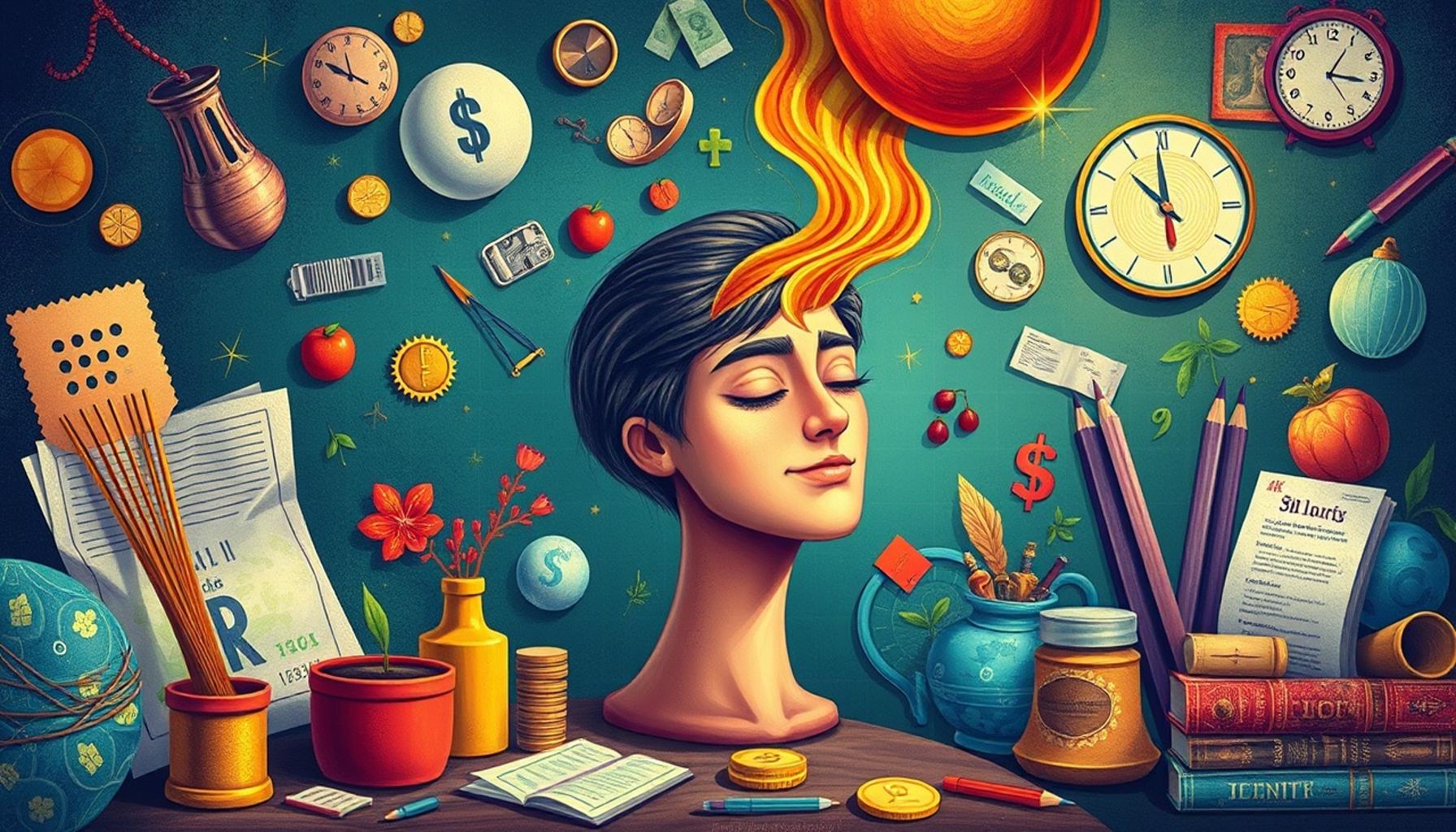
Art isn’t just a mirror reflecting our emotions; it is a powerful tool that can profoundly influence mental health. Engaging in artistic creation offers numerous benefits that can help individuals navigate through emotional challenges. The therapeutic potential of art reaches far beyond mere aesthetics, as it encompasses a wide range of mediums and practices that can aid mental well-being.
Consider the following ways in which art can serve as a therapeutic outlet:
- Reduces Stress: Engaging in artistic activities like painting, sculpting, or even coloring can lower anxiety levels and provide a calming effect. Studies have shown that just 45 minutes of creative activity can significantly decrease cortisol levels, the hormone associated with stress. Activities such as pottery or drawing allow for a mindful escape, offering individuals a moment of tranquility amidst the chaos of daily life.
- Enhances Self-Expression: Art allows individuals to express feelings that may be difficult to articulate verbally. For instance, someone grappling with grief might find solace in creating a painting that captures their emotions. This form of non-verbal communication can be especially beneficial in therapeutic settings, where clients share their art as a way to delve into their inner landscapes.
- Fosters Community: Collaborating on artistic projects can build connections and alleviate feelings of loneliness. Community art initiatives, like mural projects or collective installations, encourage individuals to come together, share experiences, and nurture social bonds. Such collaborative efforts not only generate a sense of belonging but also create lasting public art that reflects shared stories and cultural heritage.
- Boosts Self-Esteem: Completing an art project can enhance a person’s sense of accomplishment. The act of creating something tangible, whether it’s a handcrafted piece or a digital artwork, cultivates pride and confidence. Workshops and classes often emphasize this aspect, allowing participants to celebrate their progress, irrespective of their skill level.
In the United States, many therapy programs increasingly incorporate artistic activities, acknowledging their potential in mental health recovery. For example, organizations like the American Art Therapy Association advocate for art therapy as a licensed profession, utilizing various artistic tools to address psychological issues. From community art classes to structured art therapy sessions in hospitals or rehabilitation centers, the possibilities are vast and varied.
As research continues to illuminate the profound impact of art on emotional well-being, understanding these dynamics can empower individuals to embrace creativity as a means of healing. The stories of resilience and restoration through artistic expression are poignant reminders of art’s role in shaping our mental landscapes. Dive deeper into the ways art can transform lives and explore the fascinating intersection of art and mental health, contemplating how creativity can serve as a lifeline to those struggling with emotional hardships.
DIVE DEEPER: Click here to discover more about painting techniques</
Art as a Catalyst for Emotional Healing
At its core, artistic creation has the potential to serve as a profound catalyst for emotional healing, allowing individuals to confront, express, and process their inner struggles. The various forms of art—ranging from music and dance to visual arts and writing—each provide unique avenues for emotional exploration and resilience-building. Engaging with art can help individuals not only cope with their challenges but also reclaim their narratives and foster personal growth.
One of the most compelling aspects of art’s influence on mental health is its ability to facilitate emotional processing. Many people experience difficulties in communicating their feelings, resulting in a build-up of unexpressed emotions that can lead to mental health issues. Art enables these individuals to translate complex emotions into a visual or auditory form, providing a means of expression that words alone may fail to convey. For instance, an individual struggling with anxiety may find relief in creating a mural that illustrates their feelings of overwhelm, enabling them to confront their struggles in a non-threatening way.
Moreover, artistic practices can significantly alleviate symptoms of depression and anxiety. Engaging in creativity can shift an individual’s focus away from negative thoughts, promoting a positive mental state. Research has revealed that creating art can stimulate the release of dopamine, the brain’s feel-good chemical, which fosters feelings of pleasure and satisfaction. This biochemical reaction contributes to an overall sense of well-being, as engaging in artistic endeavors allows individuals to experience moments of joy and accomplishment.
Structured Creative Outlets
Art therapy, a structured form of creative expression guided by professional therapists, has become increasingly recognized for its efficacy in strengthening mental health. This discipline employs various materials—such as paints, clay, and musical instruments—to engage clients in therapeutic activities that promote self-exploration and healing. The following are key components of art therapy that highlight its benefits:
- Individualized Approach: Art therapy can be customized to meet the unique needs and preferences of each participant, providing a tailored experience that resonates with their personal journey.
- Safe Space for Exploration: Art therapists create a secure environment for individuals to express their feelings without fear of judgment, allowing them to explore sensitive issues at their own pace.
- Insight into Emotions: Through the process of creating art, individuals can gain valuable insights into their emotional struggles and develop coping strategies that enhance resilience.
- Integration of Mind and Body: Artistic creation is a holistic experience that engages both the mind and body. The sensory engagement with materials, colors, and sounds encourages a mindful presence, helping individuals to ground themselves in the moment.
Beyond formal therapy settings, community-based art programs and workshops also play an essential role in harnessing art’s transformative power. By inviting individuals to participate in collective creative projects, these initiatives foster connection and can significantly improve mental well-being. As artistic creation continues to emerge as a vital tool for addressing emotional challenges, it underscores an important notion: that art can indeed bridge the gap between pain and healing, allowing individuals to embrace their stories while discovering new paths toward recovery.
| Advantages of Artistic Creation | Impact on Mental Health |
|---|---|
| Enhanced Emotional Expression | Art provides a safe outlet for emotions, allowing individuals to articulate feelings that may be difficult to express verbally. |
| Stress Reduction | Engaging in creative activities has been shown to lower cortisol levels, which helps alleviate stress and promote relaxation. |
| Improved Self-Esteem | Creating art boosts confidence and empowers individuals through the development of new skills and personal styles. |
| Mindfulness and Focus | Artistic practices encourage present-moment awareness, promoting a state of mindfulness which can help combat anxiety and depression. |
Artistic creation has proven to be a powerful tool for enhancing mental health. By facilitating emotional expression, reducing stress, and improving self-esteem, individuals may find themselves better equipped to navigate life’s emotional challenges. Moreover, the act of creating can serve as a form of mindfulness, helping people stay grounded and focused in the present moment, which is vital for overall emotional well-being. Engaging with art, whether through painting, music, or writing, can offer transformative benefits that encourage personal growth and healing. As research continues to unveil the therapeutic effects of art, it becomes increasingly evident that its role in mental health is not merely ancillary but fundamentally essential.
DIVE DEEPER: Click here to discover new tools for creativity
Community Connections through Artistic Expression
Artistic creation not only serves as a vehicle for personal expression but also enhances social connections, which are crucial for mental health. When individuals come together to create art, they often cultivate a shared sense of purpose and belonging, which can be especially beneficial for those navigating emotional challenges. This communal aspect of art can diminish feelings of isolation and provide a support network that encourages healing.
Programs centered around community art initiatives are gaining traction in the United States, aiming to provide accessible creative outlets for diverse populations. For instance, organizations like Creative Arts Therapy Network in New York City offer workshops that allow individuals from various backgrounds to participate in guided artistic activities. These programs have proven effective in fostering emotional connections; participants commonly report enhanced feelings of community, improved social skills, and reduced anxiety levels.
Moreover, participatory art projects—events where community members collaboratively create large-scale works of art—are increasingly popular. These initiatives not only beautify neighborhoods but also empower individuals to contribute their voices and experiences to a collective narrative. A striking example can be found in the Chicago Murals Project, where local artists and residents collaborate on mural designs that encapsulate their shared history and cultural identity. Such collaborative art forms create a sense of ownership and pride, enabling emotional connections among the participants.
The Therapeutic Power of Art in Different Cultures
The influence of art on mental health is not limited to Western practices; many cultures worldwide have long recognized the therapeutic potential of artistic expression. Indigenous groups often use storytelling, dance, and visual art to convey emotions and connect individuals to their heritage and community. For instance, the Sama Bajau people of Southeast Asia use intricate beadwork and musical traditions as part of healing rituals, tapping into the arts to nurture both body and soul.
Additionally, cultures prioritize art in therapeutic contexts can inspire Western practices; examining approaches such as African drumming therapy and Indian classical dance therapy reveals the power of rhythmic movements and communal music-making to foster emotional resilience. Such traditions offer innovative perspectives on art therapy, encouraging further exploration and adaptation of these time-honored practices to meet contemporary mental health needs.
Scientific Validation of Art’s Therapeutic Effects
Growing bodies of research underscore the impactful relationship between art and mental health. A notable study published in the journal Psychosomatic Medicine found that participants engaged in art-making reported decreased levels of cortisol, a key indicator of stress, following creative activities. Furthermore, the American Journal of Public Health highlighted art’s role as an effective intervention for trauma recovery, revealing that individuals who engaged with the arts post-trauma exhibited less severe depressive symptoms.
In the realm of mental health research, art therapists are increasingly utilizing qualitative data to showcase personal narratives about the positive impacts of artistic engagement. These stories can profoundly influence communities, dismantling stigmas and creating more open dialogues about mental health. The intersection of art and mental health, bolstered by both personal accounts and scientific research, promotes recognition of the transformative potential of artistic creation. As methodologies expand and innovative practices emerge, it becomes clear that embracing art as a tool for emotional healing offers vast, untapped possibilities for recovery and well-being.
DIVE DEEPER: Click here to uncover your unique writing style
Conclusion: Embracing the Transformative Power of Art
The relationship between creativity and mental health is a profound testament to humanity’s resilience and ability to heal. From individual expression to communal collaboration, artistic creation emerges as a powerful tool in overcoming emotional challenges. As highlighted throughout this article, engaging in creative processes offers multiple benefits: it acts as a catalyst for self-discovery, fosters connections, and serves as a means of coping with complex emotions.
Moreover, art’s impact transcends cultural boundaries, validating diverse approaches to mental health care globally. The rich tapestry of artistic practices—rooted in tradition yet continually evolving—illustrates how creativity can cultivate well-being across various populations. As seen with community initiatives in the United States, the drive toward accessible art programs promotes inclusivity, allowing those grappling with mental health issues to find solace and support.
Furthermore, the scientific validation of art therapy fortifies its significance in mental health recovery, encouraging a shift in perception within clinical settings and offering fresh opportunities for intervention. The compelling evidence coupled with personal narratives empowers individuals to pursue self-expression, thereby dismantling the stigma often associated with mental health struggles.
In a world where emotional challenges are pervasive, embracing the transformative power of art may be the key not only to individual healing but also to fostering a greater sense of community. As we continue to explore the intersection of art and mental health, it is vital to advocate for creative spaces and initiatives that nourish the soul, allowing the beauty of artistic expression to illuminate the path toward emotional resilience and well-being.