The Intersection of Literature and Visual Arts: Narratives that Come to Life in Artistic Forms
The Interplay of Literature and Visual Arts
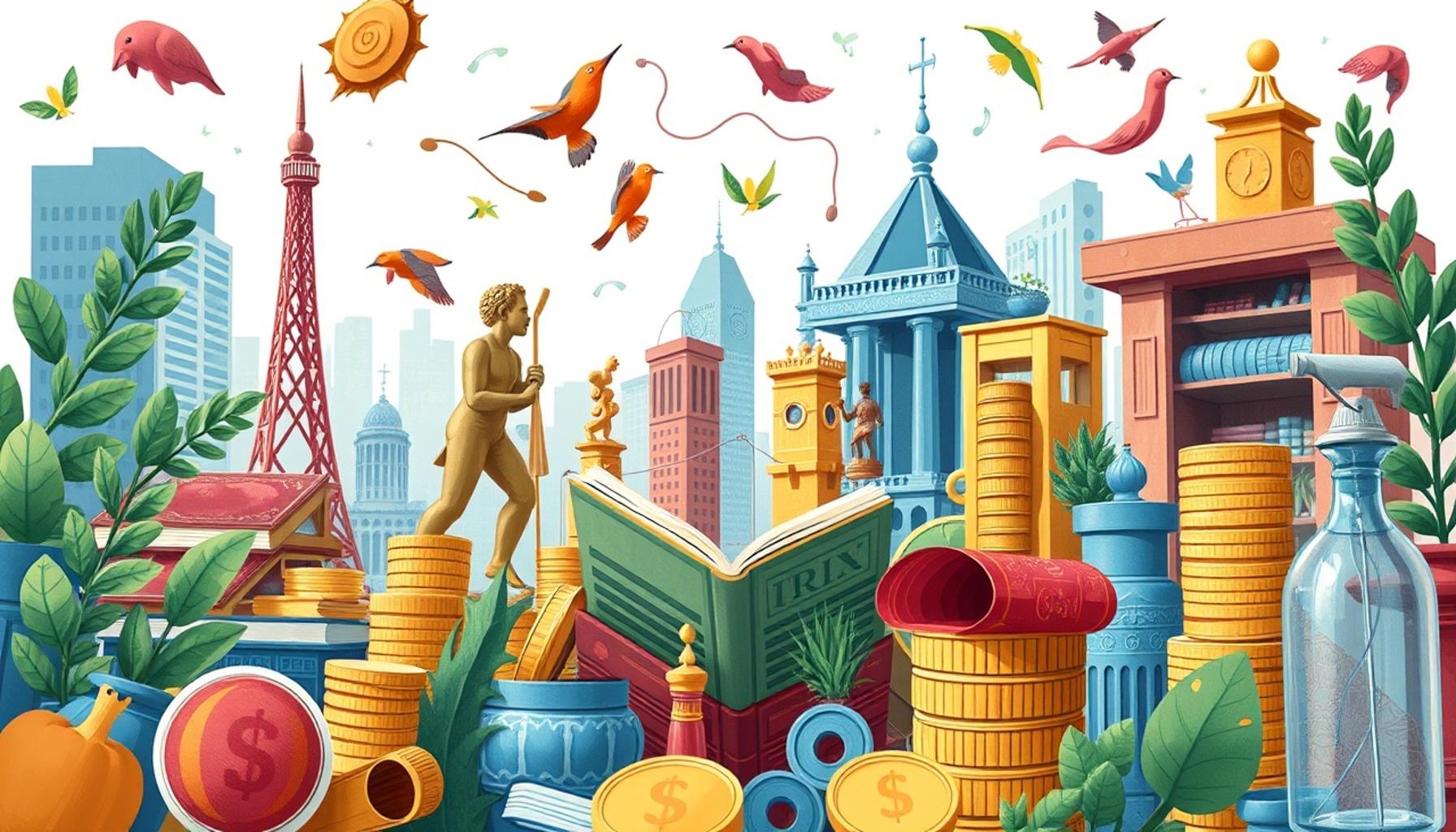
Throughout history, the relationship between literature and visual arts has been a profound source of inspiration, leading to captivating creations that transcend their individual mediums. This dynamic interplay gives rise to the telling of stories that resonate through multiple forms of expression, revealing the deep-seated connections between the written word and visual imagery. Understanding how these two realms converge offers a fascinating glimpse into our cultural heritage.
Take, for instance, illustrated novels such as “The Invention of Hugo Cabret” by Brian Selznick. This groundbreaking work masterfully combines narrative and visuals, using pictures not just as embellishments but as essential components that propel the story forward. The illustrations draw readers into a richly textured world, allowing them to experience the story on a visceral level that words alone may fail to evoke.
Moreover, film adaptations of renowned literature showcase the transformative power of visual storytelling. Consider “To Kill a Mockingbird,” based on Harper Lee’s classic novel. The film adaptation illustrates how the use of cinematography, casting, and direction can breathe life into the written word, conveying complex emotional landscapes and drawing viewers into the moral dilemmas faced by its characters. The visual depiction of the story’s setting, characters, and key events fosters a deeper emotional engagement that complements the original narrative.
In addition, artistic interpretations play a vital role in bridging the gap between literature and the visual arts. A case in point is Gustave Doré’s iconic engravings of Dante’s “Divine Comedy.” Doré’s illustrations allow readers to visualize the often abstract and intricate themes found within Dante’s work. His detailed engravings serve not only as visual representations of Dante’s journey through the afterlife but also as artistic interpretations that invite readers to engage more deeply with its philosophical and moral questions.
The fusion of narrative and imagery extends beyond mere adaptation, often challenging and reshaping the perceptions of both forms. Artists commonly draw inspiration from the themes, characters, and emotions presented in literature, transforming them into powerful visual statements. For example, contemporary artists like Kara Walker utilize literary references in their work, provoking thought and dialogue about race, history, and identity through visual storytelling.
As we embark on exploring the transformative power of narratives that leap from page to canvas, we will analyze key works that illustrate this dialogue between literature and art. By examining various adaptations and interpretations, we can better appreciate how these two artistic realms influence each other, challenging us to view familiar stories through a new lens. Join us on this enlightening exploration of the remarkable synergy where words meet visuals and give rise to art that tells unique stories beyond conventional boundaries.
DIVE DEEPER: Click here to uncover the beauty of sustainable sculpture
Bridging Worlds: The Artistic Dialogue
The fusion of literary narratives and visual art creates a rich tapestry of creative expression, where each form enriches the other. This artistic dialogue can often lead to groundbreaking interpretations, allowing audiences to engage with narratives in profoundly new ways. The synergy between these two mediums often allows for a deeper exploration of themes that may be too complex or sensitive to convey through words alone. In essence, literature provides the plot and emotional depth, while visual arts translate those elements into palpable experiences that can be felt and seen.
One striking example of this connection is the world of graphic novels, where the interplay of images and text invites readers to delve deeply into the psyche of characters and the nuances of their journeys. Works like “Maus” by Art Spiegelman or “Persepolis” by Marjane Satrapi not only tell compelling stories but also explore themes of identity, trauma, and culture through a visual lens. The illustrations are integral, illustrating the struggles and triumphs of their protagonists in ways that amplify emotional resonance far beyond traditional prose.
The process of illustration also transcends the boundaries of storytelling. Artists, in their interpretations, often capture the essence of a narrative through style, color, and composition. For instance, the whimsical illustrations of children’s literature, such as those created by Eric Carle for “The Very Hungry Caterpillar,” not only delight the eye but reinforce the narrative of growth and transformation. The vivid colors and organic shapes resonate with the story’s themes, making the reading experience an immersive adventure that stimulates both imagination and cognitive development.
Additionally, visual arts often help to contextualize literature within broader cultural and historical frameworks. This is particularly evident in exhibit installations that draw upon literary themes. Venues like The Morgan Library & Museum or The British Library frequently showcase exhibits that combine manuscripts with visual art, inviting visitors to explore how literature has influenced artistic movements across time. An exhibition might feature works from the Romantic era alongside the paintings of J.M.W. Turner, illustrating how the emotional depths of poetry were reflected in the tumultuous yet beautiful landscapes that Turner created.
Moreover, the integration of literature and visual arts can serve as a powerful tool for social commentary. Artists such as Barbara Kruger leverage text and imagery to challenge societal norms and promote critical thinking. Her works often feature bold, oversized phrases layered over striking visuals, provoking viewers to reconsider cultural narratives and the roles they inhabit. This potent combination amplifies the impact of the message, forcing audiences to not only reflect but to engage actively with issues ranging from feminism to consumerism.
As we further delve into this intriguing intersection, it becomes evident that the collaboration between literature and visual arts is more than mere adaptation; it is an exploration of human experience that invites engagement from multiple angles. This dynamic relationship allows stories to transcend their initial formats, granting new life and depth to familiar narratives, enriching how we comprehend and interpret the world around us.
The Role of Artistic Forms in Enhancing Literary Narratives
The fusion of literature and visual arts creates a dynamic landscape, where narratives are not only told but also visually experienced. This intersection breathes life into stories through various mediums such as illustrations, paintings, and digital art, allowing readers to engage with the content on multiple sensory levels. Visual storytelling techniques, when intertwined with literary elements, lead to a deeper understanding and appreciation of the narratives presented.One key aspect is how illustrations in children’s books can reshape perceptions of characters and settings, influencing young readers’ imagination and comprehension. The evolving field of graphic novels exemplifies this, where text and imagery coexist to create a cohesive story arc. Titles like “Maus” and “Persepolis” disrupt traditional narrative forms, offering readers a multi-dimensional experience that highlights the importance of visual context in understanding complex themes.Furthermore, exhibitions that pair literary works with paintings or sculptures challenge audiences to rethink the narratives conveyed. For instance, an art installation inspired by a classic novel can provoke new interpretations, encouraging a dialogue between genres that enriches both mediums. Artists and writers alike embrace this synergy as an opportunity to innovate and expand their creative vocabularies.As technology advances, digital platforms provide even broader avenues for this intersection. Interactive storytelling and augmented reality applications are evolving art forms that engage users in unprecedented ways, blending authorship and artistic interpretation seamlessly. Such tools open doors for authors and artists to collaborate, resulting in unique works that captivate audiences and explore narratives in impactful ways.This rich interplay between literature and visual arts invites investigation into how stories are constructed and experienced, calling for a reflection on the role of both media in storytelling. By recognizing the potential of such collaborations, we can deepen our engagement with narratives that resonate across different art forms.
| Category 1 | Category 2 |
|---|---|
| Enhanced Understanding | Visual arts provide contextual clues that deepen readers’ comprehension of narratives. |
| Multidimensional Engagement | Combining literature with visual arts allows for interactive experiences that intrigue and captivate audiences. |
DISCOVER: Click here to delve into sustainable kitchen practices
Artistic Interpretation: The Role of Aesthetics
The relationship between literature and visual arts is not solely about textual references or narrative adaptation; it also delves into the realm of aesthetic interpretation. Artists often draw from literary works to create pieces that embody the feelings, themes, and mood portrayed through text. In this light, poetry becomes a primary source of inspiration for many visual artists. The evocative language employed by poets can stimulate imagination in artists, leading to interpretations that visually interpret the emotional nuances of the written word.
One noteworthy example is the visual interpretation of the poetry of Walt Whitman. Artists such as Charles Demuth took Whitman’s “Leaves of Grass” and infused their canvases with the themes of individuality and celebration of the human spirit. Demuth’s watercolor painting “I Saw the Figure 5 in Gold,” directly references Whitman’s rhythmic and celebratory style, connecting visual and literary expressions to depict a shared emotional landscape. This merging of art and poetry underscores how artistic interpretations can amplify the impact of textual narratives.
Furthermore, the influence of literary works on the visual arts can also be observed in the realm of fine arts and installation pieces. Take, for instance, the work of James Turrell, whose installations often evoke the experiential qualities inherent in language and narratives. His “Skyspaces” encourage visitors to witness the interplay between light, space, and their personal perceptions, creating a narrative of introspection and contemplation akin to that felt when reading a profound book. In this manner, space itself becomes a canvas for storytelling, revealing deeper truths that resonate with human experience in ways that mere language can sometimes fail to convey.
The advent of digital technology has also opened new pathways in the fusion of literature and visual arts. Today’s artists are experimenting with multimedia forms that blend traditional literature with cutting-edge digital art, creating immersive experiences that captivate audiences. For instance, apps like “The Night Cafe,” inspired by the works of Vincent Van Gogh in conjunction with the literary backdrop of his life, allow users to navigate through a virtual world that is both a visual feast and an interactive narrative. Such digital interactions depict how literature and visual arts have evolved to remain relevant in a rapidly changing cultural landscape, driving new forms of storytelling.
Additionally, the rising popularity of book covers as art forms represents a unique intersection of literature and visual aesthetics. Groundbreaking designs by artists like Peter Mendelsund often encapsulate the essence of a narrative in a single image, attracting readers while conveying thematic depth. These covers serve not only as protective jackets but as visual representations of the text within, often sparking curiosity and encouraging readers to explore the stories held inside. Thus, the artistry behind visual representations of literature engages potential readers at first glance, enhancing the overall literary experience.
Moreover, collaborative projects like literary anthologies that include artistic interpretations alongside traditional texts highlight the ongoing dialogue between the two worlds. Publications such as “The New Yorker” frequently commission illustrators to create artworks that reflect the themes of featured stories, prompting readers to experience literature through the lens of visual interpretation. This practice not only enriches the storytelling process but also encourages a greater appreciation for how visuals can convey narrative themes and emotions.
Through these myriad examples, it becomes clear that the interplay between literature and visual arts is a profound exploration of the human condition, blending stories with visual experiences to create a multifaceted understanding of narratives. By engaging multiple senses, this fusion deepens our connection to stories, inviting audiences to immerse themselves in a world where words and images coexist harmoniously.
DISCOVER MORE: Click here to transform your baking
Conclusion
In exploring the intersection of literature and visual arts, we unveil a dynamic realm where narratives transcend their original forms, bringing to life complex portrayals of the human experience. The fusion of written word and visual aesthetics provides a multi-dimensional lens through which stories can be understood, inviting audiences to engage with them on multiple sensory levels. From the evocative interpretations of classic poetry to the innovative digital landscapes that invite user interaction, the creative dialogue between these two forms of expression continues to evolve, pushing boundaries and redefining storytelling.
The symbiotic relationship demonstrated through cases such as Walt Whitman’s influence on visual artists or the contemporary enthusiasm for artistic book covers emboldens the notion that literature is not confined to text alone. Visual artists extract emotional depth from narratives, allowing readers and viewers alike to traverse shared themes and resonate with universal truths. Similarly, the current trend of integrating multimedia platforms enhances accessibility, democratizing the artistic experience and bridging generational gaps between audiences.
This unique union encourages us to reflect on our interpretations and the ways in which art can reshape our understanding of literature. As collaborative projects proliferate, it becomes increasingly evident that these intersections are not only enriching the worlds of both literature and the visual arts but also fostering a collective appreciation for the storytelling forms that connect us all. In our digitally driven landscape, recognizing and exploring these narratives in their artistic forms allows us to unravel new layers of meaning in both art and literature, culminating in experiences that are as profound as they are beautiful.