The Connection Between Music and Movement: Dance as a Form of Musical Expression
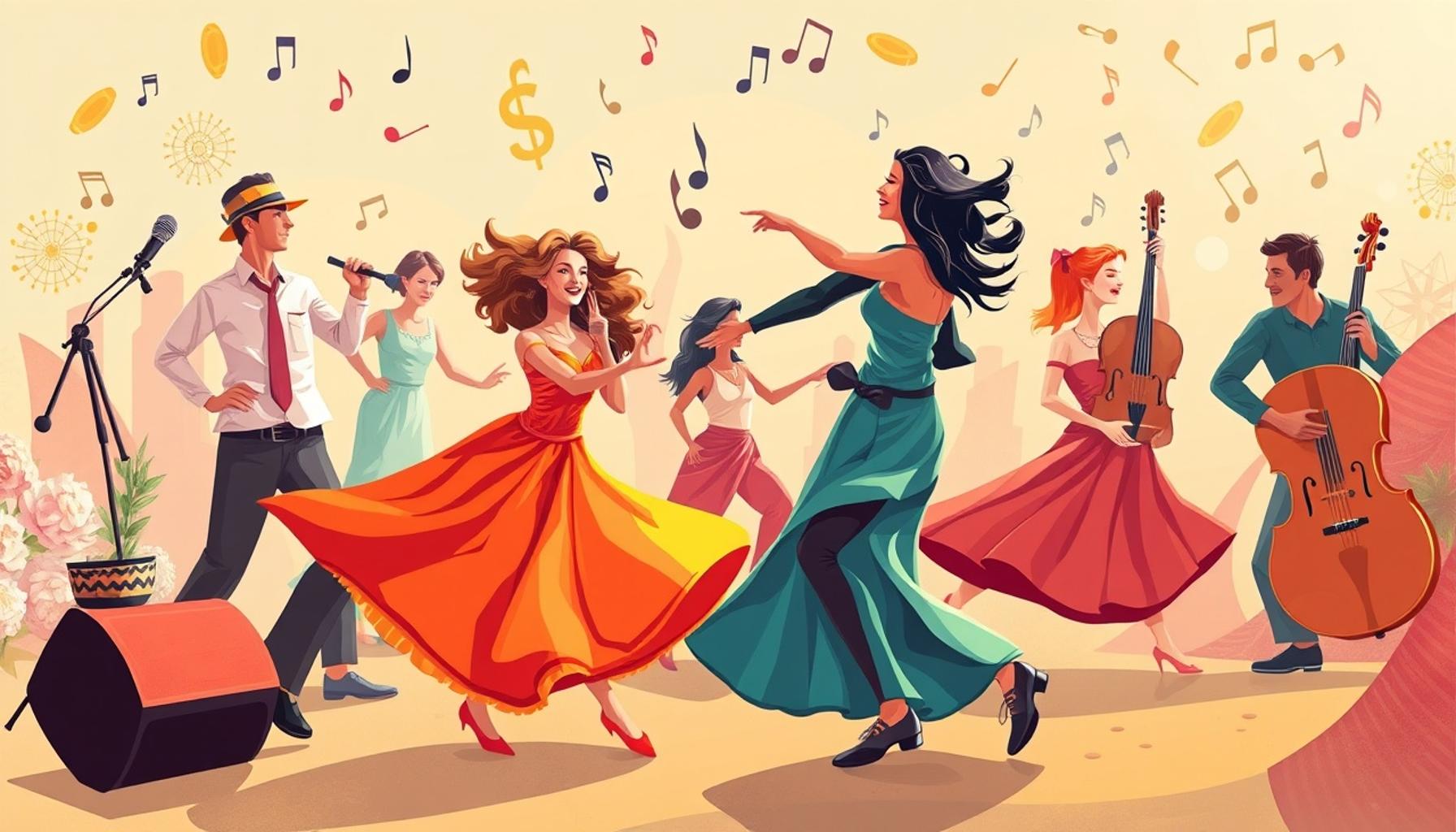
Exploring the Harmony of Sound and Motion
Throughout history, music and dance have served as vital means of expression across various cultures, acting as vehicles for storytelling, celebration, and emotional exploration. As diverse as the nations that cultivate them, each dance form offers a reflection of its cultural roots while simultaneously demonstrating a universal human connection. From the lively samba of Brazil to the spirited lines of Appalachian clogging in the United States, the intricate relationship between musical rhythms and dance movements paints a rich and complex portrait of human creativity.
The intertwining of these two art forms can be examined through several key elements that highlight their connection:
- Emotional Expression: Music possesses the unique ability to evoke a wide range of emotions, and dancers interpret these emotions through their movements. For instance, a poignant piano melody might inspire a dancer to move gracefully, conveying feelings of sadness or longing. In contrast, an upbeat pop song might lead to energetic, joyful jumps and spins, showcasing celebration and happiness.
- Cultural Significance: Traditional dances often serve as narrative devices that preserve and transmit the history and heritage of a culture. Take, for example, the traditional African dance forms which often incorporate storytelling elements, reflecting communal values and rituals. In the United States, Native American powwow dances are deeply tied to cultural identity and spiritual practices, embodying the rhythm and innovation of the music that accompanies them.
- Physical Connection: Choreography often mirrors the underlying musical structure, creating a dynamic visual representation of sound. Dancers enter a dialogue with the music; a ballet dancer’s pirouette can match the crescendo of an orchestral symphony, while urban street dancers interpret the beat of hip-hop through sharp, articulate movements, each responding to the nuances of the music in real time.
Importantly, dance serves as more than simply a reaction to music; it operates as a language in its own right. Each choreography can articulate nuanced emotions that may escape verbal communication. As we delve deeper into the intricate relationship between music and movement, we uncover the ways in which these elements combine to create a harmonious tapestry of cultural expression and individual identity.
Research into the psychology of dance suggests that engaging with both music and dance can enhance cognitive function, improve mood, and foster social bonds. Programs integrating dance therapy into communities often report enhanced emotional well-being and improved interpersonal relationships, revealing the importance of this interplay beyond mere artistic expression.
In conclusion, the inseparable bond between music and dance enriches cultures, drives social interaction, and offers profound insights into the human experience. The rhythmic pulse of sound and the fluidity of movement together create a language that transcends barriers, inviting us all to partake in a universal celebration of life.
DIVE DEEPER: Click here to discover more
The Language of Rhythm and Motion
The convergence of music and dance is often best understood through the lens of rhythm—a fundamental element that guides both disciplines. At its core, rhythm serves as the heartbeat of music, dictating the pace and structure of melodies, while simultaneously acting as the driving force behind dance movements. The interplay between rhythm and movement creates an engaging experience that captivates audiences, drawing them into a world where sound and motion coexist seamlessly.
One of the most compelling aspects of this connection is how different genres of music inspire distinct styles of dance. Consider the contrast between the fluidity of contemporary dance and the sharp precision of ballroom dancing. The underlying beat and tempo of a musical piece guide these movements, allowing dancers to express their interpretation of a song’s emotional and thematic nuances. As a result, genres such as jazz, funk, and even ballet are not just categorized by their sound but are also tightly woven into the fabric of their corresponding dance styles.
The relationship between music and movement is also enriched by the concept of musical interpretation. Dancers often possess the ability to capture the essence of a song, transforming lyrical and melodic elements into dynamic physical expressions. For example, a dancer interpreting a soulful ballad may emphasize slow, flowing movements that mimic the gentle rise and fall of the melody. Conversely, an upbeat dance track might inspire quick, sharp motions that reflect the song’s vigor. This capacity to translate music into movement allows performers to create a visceral language that resonates beyond words.
- Musical Dynamics: The rise and fall of musical phrases can be mirrored in a dancer’s transitions. A build-up in sound might lead to a sudden release of energy, reflected through explosive jumps or swift turns, making every performance an exciting visual counterpart to the aural experience.
- Improvisation: Genres like jazz and street dance heavily lean on improvisational methods, allowing dancers to respond spontaneously to the music. This interaction emphasizes the idea that dance is not merely a pre-choreographed sequence of movements but a living, breathing dialogue with the music.
- Tradition and Innovation: Cultural dances, such as Flamenco or the Hula, showcase how music and movement evolve together. These styles not only honor tradition but also adapt to contemporary influences, demonstrating the ever-shifting landscape of both art forms.
As we explore the myriad ways in which sound inspires movement, it becomes evident that the connection between music and dance is not merely a historical curiosity but a living tradition that continues to evolve. Innovative collaborations among musicians and dancers are continually reshaping the landscape of performance art; they invite audiences to experience the fusion of these two art forms in ways that are both breathtaking and profound. By examining this connection, we gain insights not only into artistic expression but also into the deeper human experiences that drive us to create and communicate.
The Role of Rhythm in Dance
In exploring the connection between music and movement, rhythm emerges as a fundamental element that shapes dance as a powerful form of expression. Rhythm not only dictates the tempo of a musical piece but also translates into the physical movements of dancers. The synchronicity between a dancer’s body and the beat of the music creates a dynamic interplay that captivates audiences, turning the act of dancing into a visually stunning spectacle.Research highlights that the human brain is wired to respond to rhythmic patterns. This innate response can elicit emotional and physical reactions, allowing dancers to communicate feelings, narratives, and cultural stories without the need for words. The way a dancer interprets the rhythm of the music can evoke joy, sorrow, or even nostalgia—demonstrating that dance is not merely a series of movements but a profound means of musical expression.Furthermore, various dance forms emphasize differing aspects of rhythm, showcasing a rich tapestry of musical expression. From the sharp, staccato movements of hip-hop to the fluid, lyrical motions of ballet, each genre harnesses rhythm uniquely, illustrating how diverse musical styles can coalesce into movement. Just as composers play with tempo and dynamics, dancers adapt their physicality to bring those same musical elements to life, showcasing the direct connection between music and movement.By recognizing the significance of rhythm, we can better appreciate how it serves as an essential bridge linking musical artistry with physical expression. The exploration of this relationship invites one to delve deeper into both the technical and emotional layers that enrich dance, leaving us eager to witness how musicians and dancers continue to collaborate across various genres.
The Influence of Culture on Dance
Cultural context profoundly shapes both music and dance, underscoring the concept that every society has its expressions of movement that reflect their unique musical narratives. The rhythms and melodies inherent to a culture’s traditional music often inform the distinct dance styles that emerge, resulting in a vibrant cultural amalgamation. From the Tarantella of Italy, characterized by rapid footwork reflecting joyous themes, to the elegant movements of the Indian Kathak, deeply rooted in spirituality and storytelling, these dances encapsulate their cultural heritage in motion.Moreover, the globalization of music and dance has fostered an exciting fusion of styles. Contemporary trends often see traditional forms interlaced with modern genres, producing innovative choreographies that resonate globally while simultaneously preserving cultural identities. This phenomenon illustrates how the dialogue between dancers and musicians expands the landscape of artistic expression, making each performance a conversation between diverse traditions.As you explore the connection between music and movement, consider how cultural influences manifest visually in dance, enriching the realm of musical expression and inviting further exploration. Each dance tells a story not only through its movements but also through the historical and cultural contexts it represents, opening doors to new understandings and appreciation for the art form.
DIVE DEEPER: Click here to uncover more insights
The Emotional Spectrum of Dance and Music
The bond between music and dance transcends mere rhythm; it reaches deep into the emotional core of both art forms. Music inherently carries a wide range of emotions—from joy and elation to sorrow and rage—and dance serves as an expressive vessel that encapsulates these feelings. This emotional representation manifests not only in the choreography itself but also in the dancer’s interpretation and performance, which can evoke powerful responses from an audience.
Consider the diverse landscape of dance styles across the United States. From the infectious beats of hip-hop to the graceful expressions of modern dance, each genre offers unique ways to communicate emotion through movement. For instance, hip-hop dancers often utilize sharp, angular movements to convey resilience and strength, reflecting the culture’s roots in overcoming adversity. In contrast, the fluid movements of contemporary dance may capture the essence of vulnerability and introspection, inviting audiences to connect with their own emotional experiences.
The embodiment of emotion in dance becomes even more pronounced during live performances. The synergy of live musicianship and choreography can elevate the emotional experience to new heights, allowing the audience to witness the raw energy exchanged between artists. Performances that incorporate live music often create a heightened sense of immediacy, amplifying the connection between sound and motion. For example, productions like “Cirque du Soleil”, which blend aerial acrobatics with live music, showcase extraordinary emotional ranges that highlight this relationship. Each note resonates not just in the ear, but pulsates through the entire venue, compelling performers to respond in real time, thus enhancing the performance’s sensory experience.
- Cultural Narratives: Dance acts as a narrative tool, weaving stories through movement that resonate with the cultural backgrounds of its dancers. For example, traditional Native American dances often embody the spiritual and communal aspects of life, with rhythm and movement translating complex stories and rituals that have been passed down through generations.
- Therapeutic Expressions: Beyond performance, the connection between music and movement serves therapeutic purposes. Dance therapy, utilizing music as its foundation, helps individuals express emotions, release trauma, and develop a healthier relationship with their bodies. The integration of music into these practices allows participants to explore emotions that might otherwise be difficult to articulate verbally.
- Technological Innovations: Advances in technology have further expanded the interplay between dance and music. With the rise of digital platforms, dancers and musicians collaborate remotely, producing innovative works that blend genres and styles. Virtual reality dance experiences now allow audiences to immerse themselves in the performance, breaking traditional boundaries and creating fresh, dynamic connections between music and movement.
The dynamic exchange between music and dance remains a source of inspiration, constantly evolving with societal trends, technological advancements, and artistic exploration. As we delve into the complexities of this interconnectedness, we begin to recognize that dance is not merely a physical expression of music, but rather a powerful form of communication that transcends cultural and linguistic barriers. By grasping the emotional undercurrents that movements embody, we open ourselves to a deeper understanding of the human experience—one that is deeply intertwined with the rhythms of life and the sounds that accompany it.
DIVE DEEPER: Click here to discover sustainable crafting ideas
Conclusion: Uniting Through Rhythm and Motion
In essence, the connection between music and dance is one of the most profound forms of human expression, offering a vibrant tapestry woven from emotions, culture, and shared experiences. Through the dynamic interplay of sound and movement, dance transcends simple performance to become an immersive narrative that articulates feelings, tells stories, and conveys cultural legacies. The way that various dance styles uniquely interpret emotional themes—from hip-hop’s gritty resilience to contemporary dance’s delicate introspection—shows how deeply personal yet universally relatable these art forms can be.
As we have explored, the live interplay between musicians and dancers during performances amplifies this emotional resonance, creating an atmosphere charged with electricity and connection. Events like “Cirque du Soleil” exemplify how this relationship can evoke responses that otherwise might remain dormant, illustrating the power of performance art to foster community and understanding. Moreover, the role of dance therapy emphasizes how this connection serves not only as a form of entertainment but also as a vital healing and expressive tool, inviting individuals to navigate their emotional landscapes through movement.
The contemporary landscape offers even more avenues for exploration as technology continues to reshape how we experience dance and music together. Virtual platforms are breaking geographical barriers and allowing collaborations that blend diverse influences, resulting in innovative works that redefine our perceptions of both art forms. By continuing to investigate the rich relationship between music and movement, we further appreciate how deeply interconnected our experiences are, reminding us that rhythm and song reflect the very essence of life itself.