Menu

The Evolution of Painting Techniques: From Classic to Digital in Modern Artistic Creation

Painting techniques have evolved dramatically from ancient cave art to contemporary digital creations. This journey highlights innovations like oil, watercolor, and acrylic painting, as well as the impact of digital tools and social media on modern artistic expression. Today, artists blend tradition with technology, redefining creativity and audience engagement.

The Psychology of Color in Artistic Creation: Impact of Colors on Emotions and Creative Expression

Explore how colors profoundly influence emotions and creative expression in art. This overview delves into the psychology of color, examining its ability to evoke feelings, guide perception, and convey cultural messages, thereby enriching both artistic creation and viewer experience through a unique emotional landscape.

The Artist’s Journey: How the Creative Process Can Transform Ideas into Innovative Works of Art

The article explores how the creative process transforms fleeting ideas into innovative works of art. By navigating stages like inspiration, experimentation, and reflection, artists encounter challenges that cultivate growth. The interplay of personal experiences and societal influences shapes their artistic journeys, enriching the landscape of creativity and expression.

The Influence of Art on Mental Health: How Artistic Creation Can Help Overcome Emotional Challenges

Artistic creation profoundly influences mental health by providing therapeutic outlets for emotional expression, reducing stress, and fostering community connections. Engaging in creative practices cultivates self-esteem and promotes emotional resilience, highlighting art's vital role in overcoming emotional challenges and enhancing overall well-being. Embrace the healing power of creativity.

Exploring Painting Techniques: From Impressionism to Abstract, How Different Styles Can Inspire Creativity

This article explores diverse painting techniques, from Impressionism to Abstract art, highlighting how each style inspires creativity and emotional expression. By examining movements like Cubism and Surrealism, it encourages artists and enthusiasts to embrace experimentation, enhancing their unique artistic voices and fostering innovation in contemporary art.

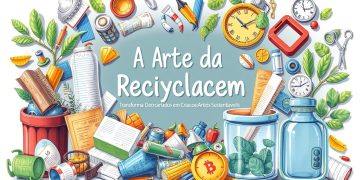
The Art of Recycling: Transforming Discarded Materials into Sustainable Artistic Creations

Artists are increasingly transforming discarded materials into sustainable artistic creations, addressing environmental issues while fostering creativity. Techniques like upcycling and assemblage prompt audiences to rethink waste. This movement not only beautifies communities but also promotes ecological awareness and inspires collective action towards sustainability.

The Intersection of Art and Technology: Exploring the Creation of NFTs

The rise of Non-Fungible Tokens (NFTs) is revolutionizing the intersection of art and technology, enabling artists to authenticate, monetize, and engage with global audiences. This digital transformation challenges traditional notions of ownership and value, fostering innovative artistic expressions and dynamic interactions within the evolving art landscape.

Sustainable Sculpture: Creating Art with Recyclable Materials

The contemporary art movement is embracing sustainable sculpture, as artists creatively use recyclable materials to raise environmental awareness. By transforming discarded items into impactful artworks, they challenge perceptions of consumption and waste, fostering community engagement and encouraging a shift towards a more eco-conscious society.

The Influence of Nature on Artistic Creation: Techniques and Inspirations Outdoors

Nature plays a crucial role in artistic creation, inspiring techniques such as plein air painting and multimedia integration. From vibrant landscapes to emotional narratives, artists harness the beauty of the outdoors to provoke thought and deepen viewer connections, emphasizing environmental themes and the ongoing dialogue between art and nature.

The Evolution of Digital Painting: Modern Tools and Techniques

Digital painting has evolved significantly, blending traditional techniques with modern tools such as graphics tablets and advanced software. Artists now enjoy endless creative possibilities, utilizing customizable brushes, layering techniques, and even AI to enhance their work. This transformation fosters community, accessibility, and a sustainable approach to art creation.