Molecular Cuisine: Transforming Common Ingredients into Innovative Culinary Experiences
A New Lens on Culinary Arts
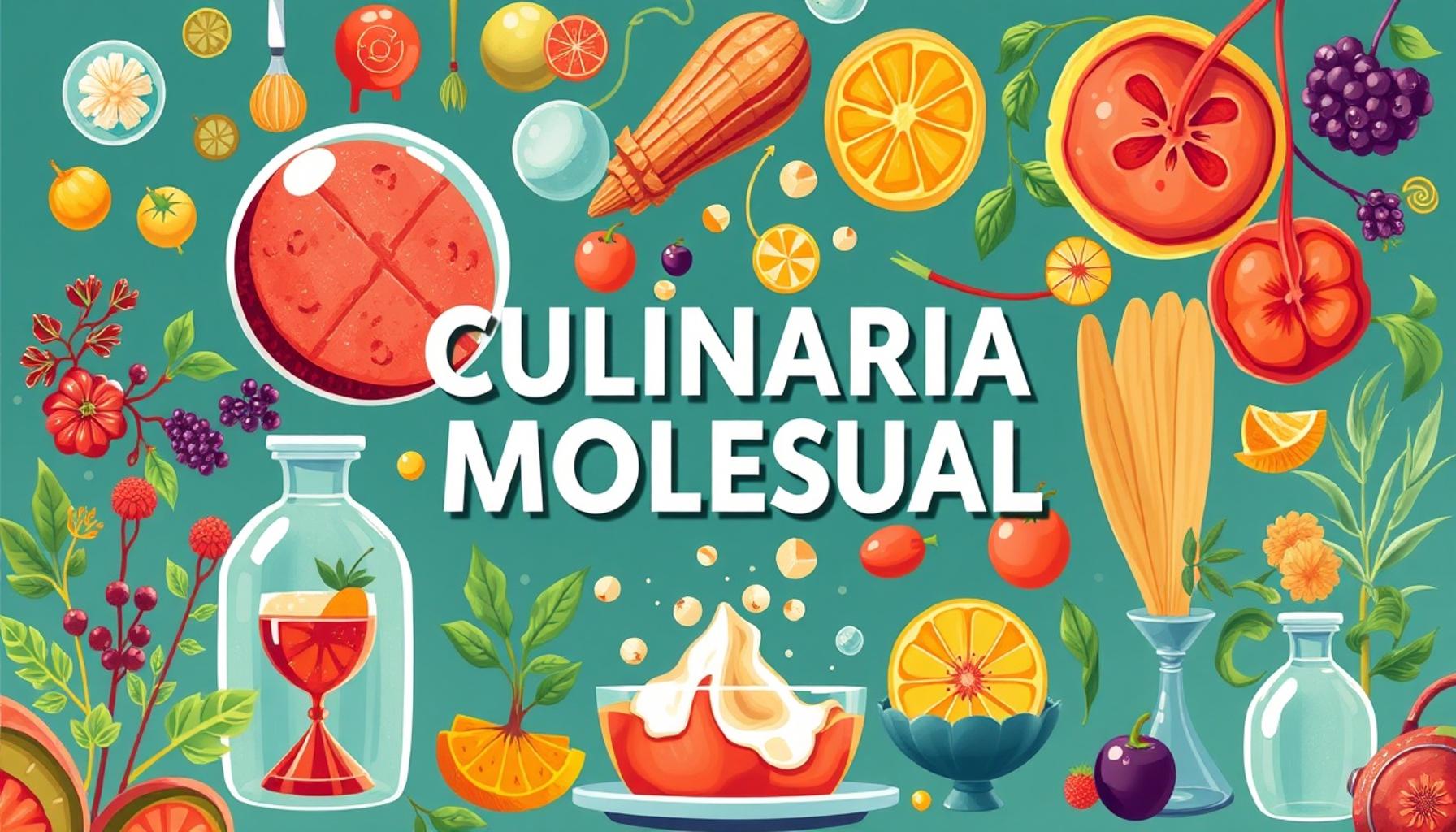
The realm of cooking is undergoing a profound transformation as molecular cuisine takes center stage. This extraordinary culinary approach melds modern science with age-old culinary arts, resulting in dishes that not only tantalize the taste buds but also pique the curiosity of the diner. By reimagining how we view and experience food, molecular cuisine opens up a world where culinary limits are continually challenged.
Ingredients Reimagined
At the heart of molecular cuisine is the innovative use of everyday ingredients. Common items such as olive oil can be transformed into an airy foam that adds a new dimension to a dish. Fruits can be turned into spheres that burst with flavor on the palate, a technique known as spherification. For example, a dish might feature apple juice transformed into small, edible caviar-like beads served atop a duck breast, providing not just a contrast of flavor but also an unexpected textural experience. This playful manipulation encourages diners to reconsider what they think they know about familiar ingredients.
Culinary Techniques that Redefine Flavor
Molecular cuisine utilizes cutting-edge techniques that take cooking into the lab, where precision and experimentation reign. Emulsification can combine oil and water into a stable mixture that creates smooth sauces, while dehydration can intensify flavors by removing moisture, providing chefs with an arsenal of unique textures and tastes. For instance, a dehydrated carrot, rendered into a crisp chip, can serve as an interesting garnish for a rich stew, marrying crunch with warmth in an unexpected way. Additionally, techniques like gelification allow chefs to create savory gels that sit proudly in the center of the plate, ready to be released with a gentle nudge of the fork.
Visual Appeal and Sensory Engagement
Beyond flavor and texture, molecular cuisine emphasizes the aesthetics of dining. Chefs often treat the plate like a canvas, combining vibrant colors and intricate designs to create visual masterpieces. A dish might feature a swirl of beetroot puree, delicate herbs, and foam nestled among edible flowers, captivating diners long before they take their first bite. This spectacular visual presentation does not only enhance the experience but engages all the senses, inviting diners to appreciate not just the taste but the overall artistry of the meal.
As molecular cuisine continues to resonate within the culinary community, it captivates the food curious and the culinary connoisseurs alike. Restaurants across America are increasingly embracing this innovative cuisine, fostering a culture where creativity and innovation are celebrated. Chefs are not simply cooking; they are experimenting and creating immersive dining experiences that leave lasting impressions. For food enthusiasts looking to explore beyond traditional flavors, molecular cuisine offers an exciting journey into a brave new world of food, where the line between cooking and science continues to blur.
DISCOVER MORE: Click here to dive into sustainable crafts
The Science Behind Transformative Flavors
Molecular cuisine is not merely a trend; it represents a pioneering movement that reshapes our understanding of flavor, texture, and presentation in food. By employing scientific techniques and precise measurements, chefs can elevate standard ingredients into extraordinary culinary delights. This intricate dance between food and science enables the creation of meals that are as much about visual wonder as they are about taste.
Revolutionary Techniques
At the forefront of molecular cuisine are several remarkable techniques that redefine how we prepare and enjoy food. Some of the most popular methods include:
- Spherification: This technique allows chefs to encapsulate liquids into small, caviar-like spheres. By using sodium alginate and calcium chloride, they can create delightful bursts of flavor, transforming simple fruit juices into innovative flavor experiences.
- Foaming: Chefs can turn sauces and purees into light and airy foams using lecithin or soy lecithin. These foams not only offer an unexpected texture but also intensify the flavors, making each bite a more dynamic experience.
- Gelification: Utilizing agents like agar-agar or gelatin, chefs can create jellies and gels that serve as the foundation for layering flavors. This method is particularly effective in sauces and desserts, adding both aesthetic appeal and complexity to each dish.
- Dehydration: By removing moisture from ingredients, chefs can concentrate flavors and create unique textures. Dehydrated fruits and vegetables not only contribute intense flavors but also serve as crunchy garnishes that enhance visual presentation.
Balancing Act of Flavor and Technique
Molecular cuisine isn’t about gimmicks; it’s about mastering the balance between flavor and scientific techniques. Renowned chefs, such as Ferran Adrià and Heston Blumenthal, have pioneered these techniques, turning traditional recipes into contemporary masterpieces. For instance, an everyday ingredient like potato can be transformed into a light, airy foam that adds an unexpected twist to a classic dish, such as mashed potatoes, providing not just a taste but a novel dining experience.
As molecular cuisine continues to gain ground across the United States, restaurants are increasingly committing themselves to experimentation. Chefs approach their culinary practices with scientific curiosity, paving the way for an innovative dining culture. Enthusiasts have begun to seek out not just meals, but experiences—dining akin to a theatrical performance where each dish reveals a new story. This vibrant cross-section of science and culinary artistry is reinvigorating the way we appreciate traditional foods.
With molecular cuisine, the kitchen becomes a laboratory, where the possibilities are endless. Those willing to venture into this gastronomic realm will find a new appreciation for common ingredients, each transformed into a novel experience that excites the palate and sparks conversation.
| Advantages | Innovative Techniques |
|---|---|
| Creativity in Cooking | Molecular cuisine encourages chefs to experiment with textures and flavors, leading to unexpected culinary delights. |
| Sustainability | Utilizing local ingredients through innovative preparation can reduce waste and promote sustainable dining practices. |
| Enhanced Presentation | Dishes are not just food; they are visual spectacles that engage all the senses. |
| Health Benefits | Incorporating techniques like spherification can reduce the amount of fat and sugar in dishes while enhancing flavor. |
The allure of molecular cuisine lies in its ability to transform ordinary meals into remarkable culinary adventures. Chefs utilize techniques such as foaming, deconstruction, and emulsification, which push the boundaries of traditional cooking. For instance, by using liquid nitrogen, a chef can create surprising textures that tantalize the palate. Moreover, this innovative approach allows for a reimagining of classic dishes, breathing new life into the familiar. Furthermore, the intersection of science and culinary arts not only enhances flavors but also addresses nutritional considerations, allowing chefs to reduce harmful ingredients without sacrificing taste. As chefs explore and master these revolutionary techniques, diners are treated to unforgettable experiences that are as much about the discovery of taste as they are about the art of cooking itself, sparking interest and encouraging culinary enthusiasts to delve deeper into the world of molecular gastronomy.
DISCOVER MORE: Click here to dive deeper
Exploring Sensory Experiences through Molecular Cuisine
Molecular cuisine transcends mere taste, engaging multiple senses and creating a holistic dining experience. Chefs harness the power of fragrance, sound, and temperature to elevate a meal beyond sustenance into a multisensory journey. The strategic use of olfactory elements, for instance, plays a crucial role in enhancing flavor perception, making aromas an integral part of the dining experience.
Creating Aromatic Clouds
One innovative approach in molecular cuisine is the creation of aromatic clouds. Using a technique called infusion, chefs can suspend fragrant particles in the air, which diners inhale as they enjoy the dish. This not only amplifies the flavors on the palate but also engages the sense of smell, which is often connected to how we taste. A prime example of this technique is found in the work of Heston Blumenthal, who has experimented with aromatic vaporizers that release scent before a dish is served, enhancing anticipation and enjoyment.
Contrast in Textures
The interplay of textures is another hallmark of molecular cuisine. Rather than serving a uniform composition, chefs skillfully layer various textures to surprise and intrigue diners. For example, a dish might feature a crisp outer layer paired with a creamy filling, creating a delightful juxtaposition that excites the palate. The use of liquid nitrogen can add an element of surprise, instantly freezing ingredients to create crunchy elements, while other components retain their natural softness. This innovative approach celebrates the diversity of ingredients by showcasing them in unexpected forms.
Temperature Variation
Temperature also plays a pivotal role in molecular gastronomy. By creating dishes that incorporate hot and cold elements, chefs offer a dynamic experience that stimulates the senses. Dishes such as foie gras parfait served with a cold fruit coulis juxtapose contrasting temperatures, ultimately enriching the entire tasting process. Moreover, chefs can employ thermal techniques to alter the fundamental attributes of ingredients, allowing diners to experience familiar flavors in entirely new ways.
Ingredient Pairing and Flavor Profiling
The principles of molecular cuisine lean heavily on understanding how flavors interact and complement one another. Chefs meticulously study flavor pairing based on scientific research, often uncovering new combinations that would traditionally seem unusual. For instance, pairing chocolate with blue cheese or beetroot with cocoa can yield extraordinary results, unveiling layers of complexity that challenge conventional culinary norms. This analytical approach helps chefs redefine gastronomic boundaries, ensuring that every dish tells a unique flavor story.
This meticulous attention to sensory details and flavor relationships reflects a broader shift in the culinary world. Diners are increasingly curious, seeking experiences that ignite their senses and expand their palate. Molecular cuisine responds to this yearning, inviting diners to embark on a culinary adventure where each meal is an exploration of innovative techniques and concepts. The result? A dining scene that’s more experimental and lively than ever, where the ordinary is transformed into a remarkable celebration of the extraordinary.
DISCOVER MORE: Click here to dive deeper
Conclusion: The Future of Dining with Molecular Cuisine
Molecular cuisine represents a revolutionary chapter in the culinary arts, transforming common ingredients into innovative culinary experiences that engage the senses in unprecedented ways. This artistic approach not only challenges traditional cooking techniques but also deepens our appreciation for the science behind food. By manipulating flavors, textures, and temperatures, chefs are able to create dishes that surprise and delight, demonstrating the limitless potential of creativity in the kitchen.
The integration of sensory experiences such as aromatic clouds and contrasting textures fosters a dining atmosphere where meals transcend their basic function of nourishment. As diners increasingly seek immersive experiences that stimulate their palates and evoke emotions, molecular cuisine stands at the forefront of this culinary evolution. It encourages food enthusiasts to explore the boundaries of taste while drawing on scientific principles to craft unique flavor pairings that challenge conventional wisdom.
As we move forward, the influence of molecular gastronomy will likely continue to permeate the culinary landscape, inspiring both home cooks and professional chefs to innovate and experiment. For those curious about elevating their own culinary experiences, the principles of molecular cuisine invite exploration beyond traditional cooking methods. Ultimately, this dynamic style of cooking not only showcases the art of gastronomy but also inspires a deeper connection to the ingredients we often take for granted, turning every meal into an extraordinary journey of discovery.