Sustainable Crafting: How to Transform Recyclable Materials into Art
Unlocking the Potential of Recyclable Materials
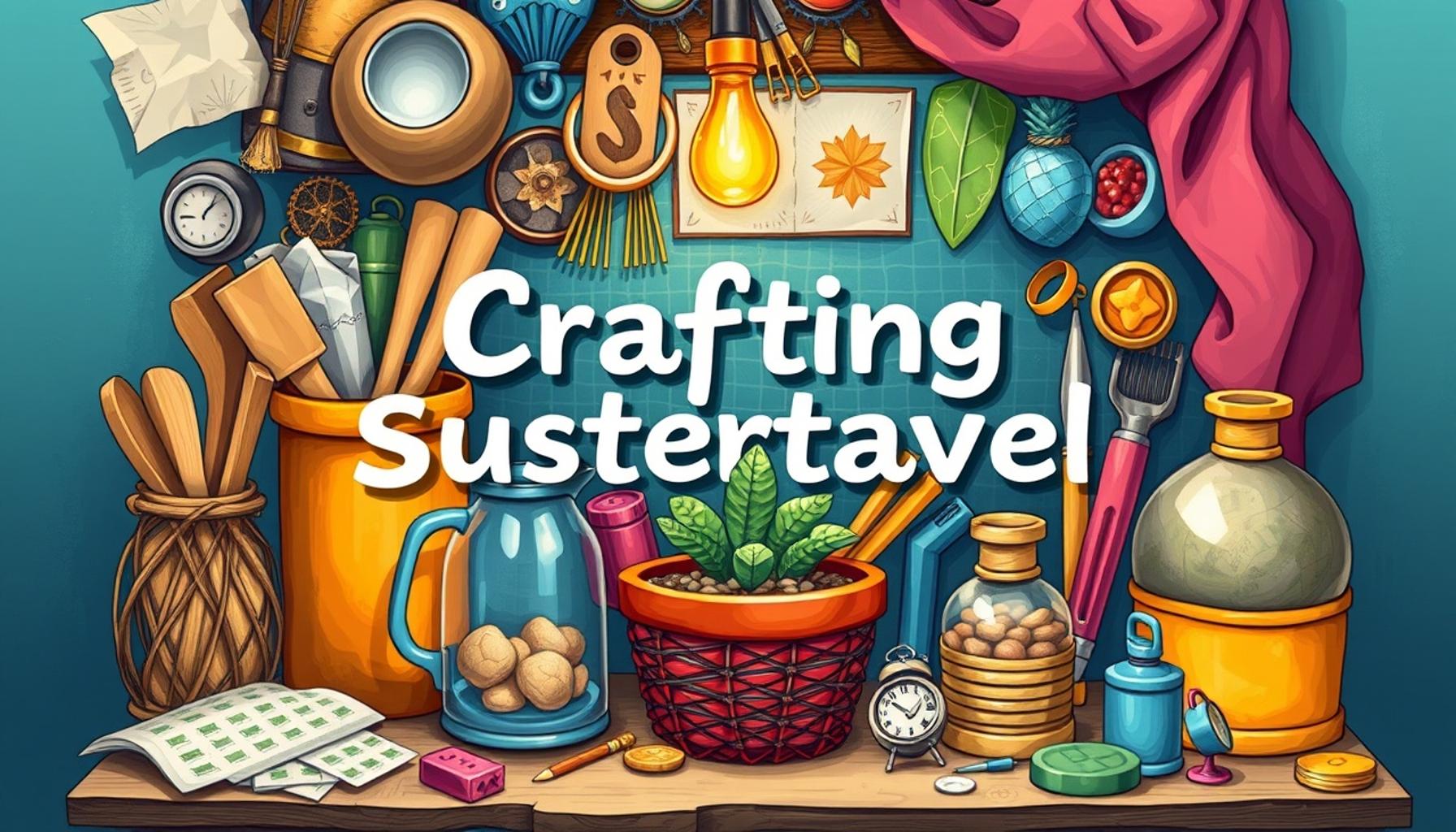
Sustainable crafting has emerged as a powerful means to combine creativity with environmental responsibility. Artists and crafters are now embracing the art of repurposing materials that would typically end up in landfills, transforming them into stunning creations that not only showcase their skill but also carry meaningful narratives about sustainability and waste reduction.
Imagine the intriguing potential of everyday items that many of us often overlook:
- Glass jars: Instead of tossing your old jam or pickle jars, consider turning them into elegant vases adorned with local wildflowers or herbs. By adding decorative twine or paint, these jars can serve not only as visually appealing pieces but also as practical storage solutions for office supplies or kitchen utensils, merging form and function beautifully.
- Cardboard: This ubiquitous material offers remarkable versatility. With just a few cuts and folds, cardboard can be transformed into intricate sculptures that tell stories of cultural heritage or personal significance. For instance, running workshops to create cardboard models of historical landmarks can spark interest in art and history for young learners, making education both interactive and memorable.
- Plastic bottles: Often relegated to recycling bins, plastic bottles can be reimagined as colorful planters for herbs or succulents. Alternatively, they can become part of that creative wall hanging you’ve always dreamed of. By painting and cutting them into unique designs, you can celebrate art while boosting your home’s aesthetic appeal and contributing to outdoor greening.
Stepping into the realm of sustainable crafting brings with it a plethora of benefits that extend beyond mere creation:
- Environmental Awareness: Engaging in crafting with recyclable materials fosters a deep-seated commitment to environmental stewardship. It highlights the importance of sustainability and encourages participants to view waste differently, understanding that every item has the potential for a second life.
- Cost-Effective: One of the most appealing aspects of using recyclable materials is the significant cost savings. By utilizing items you likely already possess, crafting becomes a budget-friendly hobby, making art accessible to all, regardless of financial circumstances.
- Community Connection: Crafting workshops can ignite collaboration and a sense of community. Local groups can come together to share skills, exchange ideas, and inspire one another. Events focused on sustainable crafting not only build connections but can also promote local businesses by sourcing materials from within the community.
As the crafting movement continues to gain traction across the United States, the exploration of transforming everyday items into captivating art invites individuals to tap into their creativity and embrace sustainability. Whether you are a seasoned artist or new to crafting, there is a place for you in this vibrant community. Join the movement and discover how your artistic flair can leave a positive impact on both the environment and those around you!
DON’T MISS: Click here to dive into experimental writing
Embracing Creativity with Recyclable Materials
The world of sustainable crafting thrives on the notion that creativity knows no bounds. As we navigate through the digital age, the opportunity to create meaningful art from discarded materials not only helps in environmental conservation but also unlocks one’s innate artistic potential. Crafting with recyclable materials allows people to reimagine their waste, giving new life to objects that would otherwise contribute to overflowing landfills.
In an era where sustainability is becoming increasingly essential, the impact of our choices in art and creation extends far beyond the studio. The rise of social media platforms has further fueled this movement, with artists sharing their innovative projects and inspiring countless others to join the movement. Here, we delve deeper into how you can harness this potential and create breathtaking pieces of art while promoting sustainability.
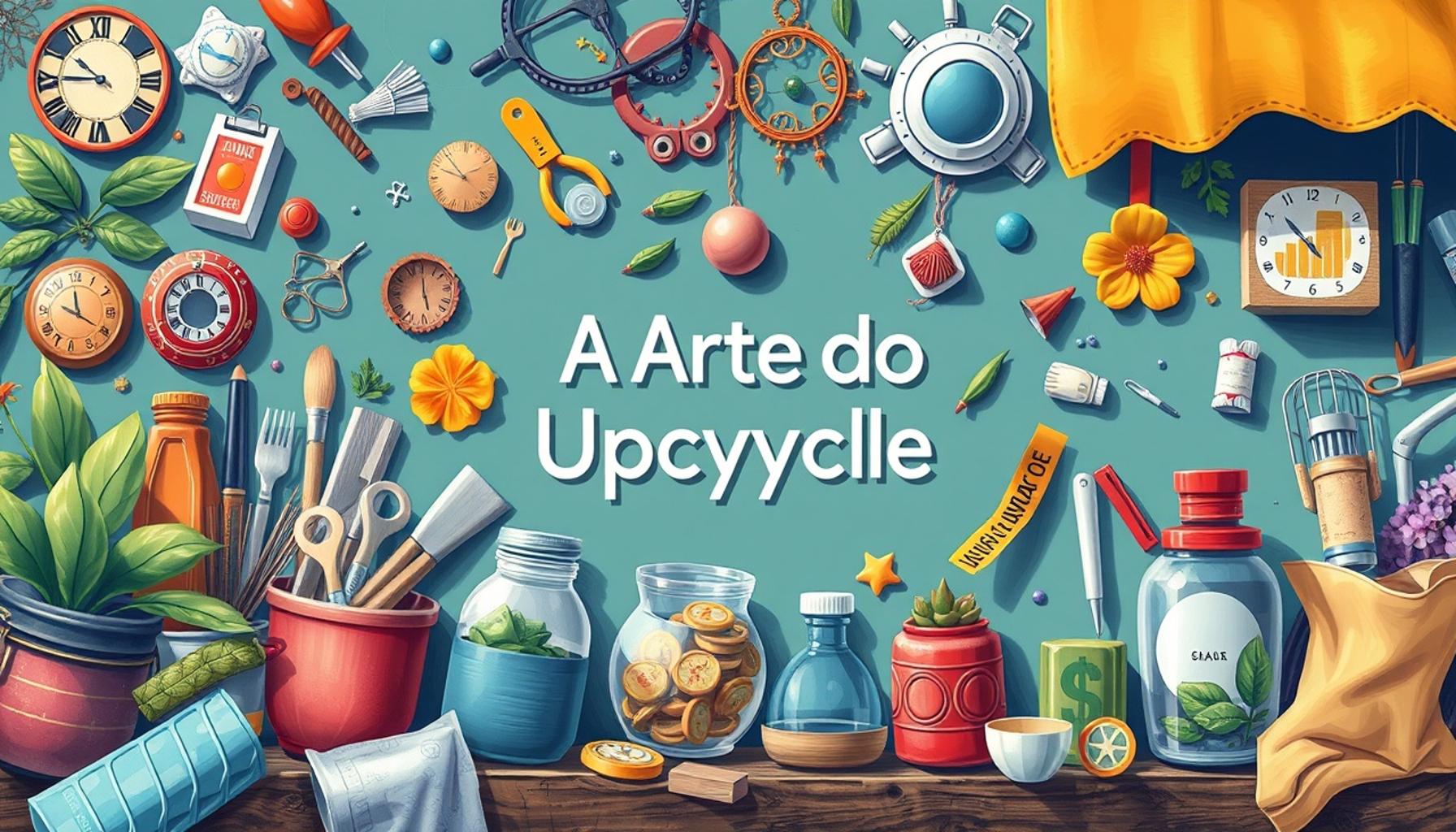
The Art of Upcycling
Upcycling – the process of transforming waste materials into new products of higher quality or value – is at the heart of sustainable crafting. Think about how a once-forgotten shoe can be converted into a planter, or how an old book can become a unique canvas for painting. The possibilities are limited only by one’s imagination. Here are some exciting ways to integrate upcycling into your crafting:
- Furniture Restoration: Gently used furniture, whether it be a wooden chair or vintage dresser, can be revitalized with a fresh coat of paint or new upholstery. By practicing furniture upcycling, you not only breathe new life into these items but also contribute to reducing the demand for new resources.
- Textile Crafts: Unwanted clothing or fabric scraps can be repurposed into quilts, tote bags, or decorative wall hangings. This practice not only reduces textile waste but also creates plush, personalized items with your unique touch.
- Jewelry Making: Everyday items like buttons, spoons, and bottle caps can be transformed into stunning jewelry pieces. Such creations not only stand out but also tell a story about their previous life, making them perfect conversation starters.
By adopting these upcycling techniques, you can participate in a greater movement toward sustainability while expressing your personal style through art. Beyond the tangible items created through this process, engaging in sustainable crafting can foster deep connections with fellow crafters and artists.
Fueling Imagination Through Workshops and Community Events
Community workshops dedicated to sustainable crafting serve as a hub for cultural exchange and skill building. Participating in or organizing events that focus on transforming recyclable materials into art not only spreads awareness about environmental issues but also strengthens bonds among participants. Such gatherings enable individuals to share their skills, inspire one another, and explore new techniques for utilizing materials that might have been discarded.
As we continue to explore the beauty and utility of sustainable crafting, either as a hobby or a communal activity, it’s clear that the impact reaches far beyond the art produced. It leads to a more environmentally conscious approach to consumption and an inclusive community where creativity thrives.
| Category | Description |
|---|---|
| Environmental Impact | Utilizing recyclable materials significantly reduces waste and promotes eco-friendliness, making art creation less harmful to our planet. |
| Creativity Boost | Transforming discarded items into art encourages innovation and creative thinking, inspiring both artists and hobbyists to explore new possibilities. |
Sustainable crafting harnesses the potential of discarded materials to create beautiful, functional art pieces that not only serve aesthetic purposes but also play a critical role in sustainability. One area of focus is the use of plastic waste, which can be molded into sculptures or jewelry, significantly reducing landfill contributions. Upcycling wooden palettes into artistic furniture can add character to home decor while promoting responsible resource use.Moreover, “Sustainable Crafting: How to Transform Recyclable Materials into Art” encourages a community-centric approach. Workshops and local events can bring together like-minded individuals aiming to share techniques, foster friendships, and cultivate awareness around environmental issues. Artistic expression in sustainability creates not just an outlet for creativity but also a valuable educational component for participants of all ages. It ignites conversations around responsible consumerism and inspires personal action towards a greener world.Additionally, engaging in sustainable crafting can have profound emotional benefits. Working with your hands and creating something from seemingly unusable materials can cultivate a sense of accomplishment and well-being. This promotes mindfulness and can serve as a therapeutic activity, encouraging individuals to connect with nature and their surroundings more meaningfully. To delve deeper into this impactful topic, explore various art forms, techniques, and community initiatives that embody the spirit of sustainable crafting.
DON’T MISS: Click here to discover the beauty of creativity in nature
Innovative Techniques in Sustainable Crafting
As the sustainable crafting movement grows, artists and crafters alike are uncovering innovative techniques to transform recyclable materials into stunning works of art. From using technology to harnessing traditional methods, the creative potential is boundless. Here are some advanced techniques that you can explore to elevate your sustainable crafting practice:
Mixed Media Masterpieces
Combining various materials is a hallmark of mixed media art, and it pairs beautifully with sustainable crafting. By merging recyclable items like paper, metal, and glass with traditional art supplies, you can create dynamic pieces that resonate on multiple levels. For instance, consider using old magazines as a source of textured backgrounds or cutting intricate designs from plastic bottles to incorporate into your artwork. Artists such as Gabrielle Gray have led workshops showcasing the potent ability of mixed media to evoke emotion and convey messages related to sustainability.
Beyond visual appeal, mixed media art can also tell stories that raise awareness about environmental issues. This narrative approach engages the viewer and encourages them to think critically about their consumption habits, igniting conversations around sustainability and creative reuse.
Eco-Friendly Paints and Dyes
Another vital aspect of sustainable crafting is utilizing eco-friendly paints and dyes. Many commercial paints contain harmful chemicals that can adversely affect the environment. Luckily, there are plenty of alternatives made from natural ingredients, allowing you to color your creations in a way that’s kinder to the Earth. You can make your own paints using vegetables, fruits, and spices. For example, beet juice can provide a vibrant red hue, while turmeric lends a bright yellow, ensuring your art not only looks fantastic but is also environmentally conscious.
Incorporating natural dyes and paints into your work connects you to the materials you’re using, fostering a deeper appreciation for the art-making process. It also inspires inquiries into sustainability, promoting a lifestyle that prioritizes environmental stewardship.
Collaborative Projects and Local Art Initiatives
Collaboration can elevate sustainable crafting to new heights. Engaging in community projects, such as trash art festivals or challenges to create massive installations from through local litter, can unify artistic voices aimed at sustainability. Work alongside local artists or organizations to create larger-than-life projects that draw attention to the importance of recycling and waste reduction.
For example, the California-based non-profit organization “Art of Recycling” organizes community events where participants create installations from amassed recyclable materials. These events not only showcase creative ingenuity but also highlight the importance of reducing waste, confirming that art can indeed be a vehicle for change.
Online Resources and Tutorials
As the world becomes more connected, a wealth of online resources dedicated to sustainable crafting is readily available. Websites, tutorials, and social media groups focus on sharing methods, design ideas, and upcycling techniques—all centered around transforming recyclable materials into art. Platforms like Pinterest and YouTube provide abundant visual inspiration and step-by-step guides on everything from creating decorative wall art from cereal boxes to constructing furniture from reclaimed wood.
The accessibility of such digital resources lowers the barrier to entry for aspiring crafters. With the click of a button, anyone can learn how to use recyclables effectively, thus expanding the reach of the sustainable crafting community even further. Embrace these resources to broaden your skills and ignite your creativity.
Incorporating these innovative techniques into your sustainable crafting practices will enable you to unleash your creative potential while championing environmentalism. The artistic possibilities are rich, inviting individuals to explore both their creative expression and alignment with sustainable values.
DIVE DEEPER: Click here to uncover the fusion of art and technology
Conclusion: The Future of Sustainable Crafting
In a world increasingly aware of environmental challenges, sustainable crafting emerges as a powerful means to provoke change and inspire creativity. By transforming recyclable materials into art, artists and makers are not just creating visually appealing pieces; they are also championing a lifestyle that prioritizes sustainability and environmental consciousness. Through the innovative techniques discussed—from mixed media masterpieces to eco-friendly paints and dyes, and engaging collaborative projects—the journey of sustainable crafting is rich with potential.
The accessibility of online resources has opened up avenues for individuals from all walks of life to join this movement, encouraging a broad community to rethink waste and embrace the art of reuse. As public interest in sustainability mounts, crafting with a purpose becomes not only an avenue for personal expression but also a vital dialogue around responsible consumption.
Each unique creation serves as a reminder that art can transcend its aesthetic purpose and can be a catalyst for conversation and change. The impact of sustainable crafting reaches far beyond the studio; it shapes our values and influences our behaviors toward a greener future. So, as you embark on your crafting journey, remember that the next time you pick up that recycled item, you hold the potential for transformation—not only of materials but of attitudes towards our precious planet.