The Evolution of Pottery as a Form of Artistic Expression
Tracing the Journey of Pottery Throughout History
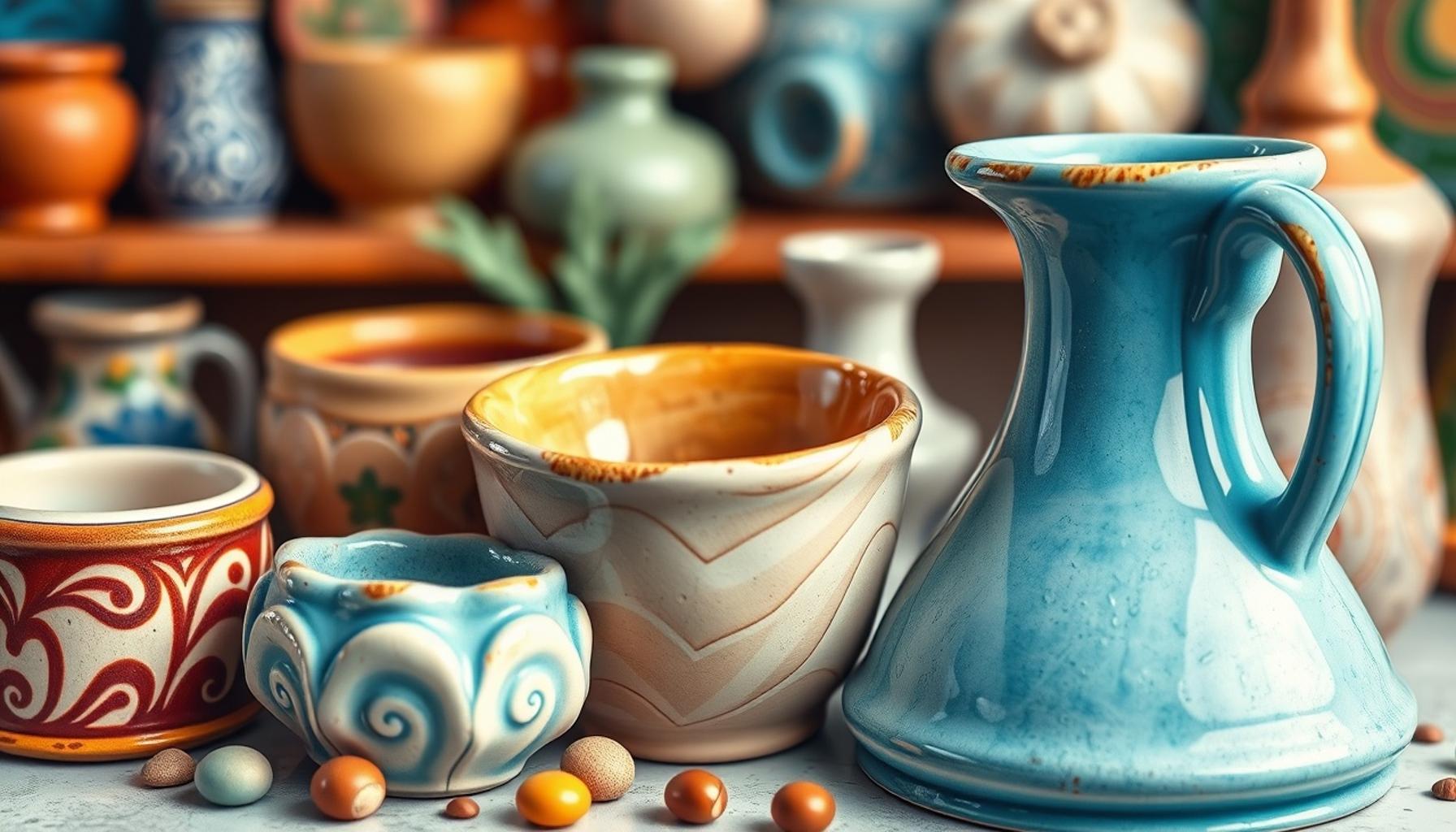
Pottery, one of the oldest human practices known to date, is a fascinating blend of art, science, and history. It embodies the ingenuity of ancient cultures and continues to inspire contemporary artists. As it evolved, pottery transitioned from utilitarian objects to complex artistic creations that reflect cultural narratives. This long-standing relationship with clay allows for a unique exploration of human creativity and community expression.
- Ancient Roots: The origins of pottery can be traced back over 29,000 years, with some of the oldest known specimens discovered in Japan, such as the Jomon pottery. Similarly, early artifacts from Europe, including portions from what is now modern-day Germany and the Czech Republic, highlight the role pottery played in early human societies. These ancient pieces not only served as functional vessels but also as aesthetic objects that displayed the craftsmanship and cultural symbols of their time.
- Cultural Significance: Across various regions, pottery played a crucial role in daily life and rituals. For instance, Native American tribes utilized pottery to tell stories through intricate designs, often depicting important cultural myths and community life. The Pueblo people of the Southwestern United States are renowned for their beautiful adobe clay pottery, which often features geometric designs and vibrant colors. These artworks are not merely decorations; they represent shared histories, beliefs, and communal identity.
- Modern Innovations: In today’s artistic landscape, pottery has undergone a significant transformation. Contemporary artists experiment with color, texture, and form, merging time-honored techniques with innovative technologies. Contemporary potters often utilize electric and gas kilns, allowing for greater control over the firing process and enabling new creative expressions. Artists like Rina M. Kisner and Brian Giniewski exemplify this blend of tradition and modernity, as they create pieces that challenge conventional notions of pottery.
The evolution of pottery underscores a rich tapestry of cultural shifts, technological advancements, and artistic philosophies. From ancient functional wares crafted for everyday use to contemporary sculptural forms that redefine the medium, pottery continues to resonate with us today. As we trace its journey, we unearth insights that reveal its enduring significance in both personal storytelling and broader societal representation.
In the United States, numerous institutions and workshops celebrate this art form, encouraging both seasoned artists and novices to engage with clay. Events like annual pottery festivals attract thousands, showcasing the work of local artisans and providing educational opportunities to learn about this timeless craft. By participating in these communal experiences, individuals not only appreciate pottery but also contribute to the ongoing narrative of this remarkable art form.
DISCOVER MORE: Click here to dive deeper
From Functionality to Aesthetic Innovation
The journey of pottery is marked by a profound transformation from its earliest days as a practical tool to its current status as a compelling form of artistic expression. Initially, potters focused on creating utilitarian vessels that served everyday needs, such as cooking, storage, and transportation of goods. This functional aspect was paramount, as these early items were critical for survival, particularly in agrarian societies. For example, the ceramic containers used by ancient Egyptians not only held liquids and grains but also embodied the fertility of the Nile, effectively tying the material to the cultural and spiritual life of the community.
As societies evolved, so did the complexity of pottery. The introduction of the potter’s wheel around 3500 BCE in Mesopotamia marked a pivotal moment in production techniques. This innovation allowed for greater precision and symmetry in design, facilitating the creation of more elaborate pieces. As potters became skilled artisans, they began to infuse their works with distinct artistic characteristics. With the ability to shape clay more effectively, regional styles emerged, each reflecting the unique cultural narratives of its people.
- Influence of Cultural Exchange: Trade routes established during ancient times, such as the Silk Road, facilitated not only the exchange of goods but also artistic ideas and techniques. Pottery styles blended as artisans came into contact with diverse cultures, leading to the emergence of hybrid forms. For example, the influence of Asian ceramics became evident in European pottery during the Renaissance, inspiring new glazes and ornamental styles.
- The Role of Rituals and Ceremonies: In many cultures, pottery served a ceremonial purpose, transcending mere utility. In ancient Greece, decorated amphorae were used to transport wine and oil, often adorned with scenes depicting mythological narratives. These pieces highlight how pottery was woven into the social fabric, becoming a vessel for storytelling and cultural identity.
The artistic potential of pottery was further unlocked during the 19th and 20th centuries with movements like the Arts and Crafts Movement, which emphasized handcrafted goods over industrial production. Artists such as William Morris believed that beauty could be incorporated into everyday objects, and this ethos profoundly impacted pottery. The push for individual expression led many artists to explore form, color, and technique, paving the way for modern pottery’s experimental approaches.
As we journey through the evolution of pottery, it is clear that it is more than just a functional craft. From its ancient roots to modern innovations, pottery serves as a mirror reflecting human experiences, aspirations, and cultural values. With each creation, potters not only continue this age-old tradition but also invite us to contemplate the rich stories embedded within the clay.
| Category | Advantages |
|---|---|
| Historical Significance | Pottery serves as a vital record of human history, illustrating societal evolution. |
| Cultural Identity | Each region’s pottery reflects its unique culture, fostering a sense of community. |
| Artistic Innovation | Modern pottery techniques expand creative expressions by merging tradition with contemporary art. |
| Sustainability | Pottery utilizes natural materials, promoting eco-friendly artistic practices. |
| Therapeutic Benefits | Working with clay provides mental wellness benefits, enhancing creativity and reducing stress. |
The evolution of pottery as a form of artistic expression transcends simple utility; it augments our understanding of human connection. Pottery has historically been a reflection of societal values, showcasing various styles that resonate with specific cultural identities. The aesthetics of pottery evolve as artists embrace new materials and techniques, pushing traditional boundaries into unexplored realms, merging functionality with artistic innovation. Sustainability remains a paramount concern, and the return to natural materials in pottery signifies an eco-conscious shift in the creative community. Additionally, the therapeutic aspects of creating pottery cannot be overlooked; it offers mindfulness opportunities, allowing artists to immerse themselves in the tactile nature of clay. By exploring pottery’s myriad benefits and evolving practices, one can appreciate this age-old craft’s profound impact on both individuals and societies. Whether for historical intrigue or personal creative exploration, pottery continues to be a vital form of artistic expression.
DIVE DEEPER: Click here to discover creative recycling projects
The Intersection of Art and Community: A Cultural Chronicle
The development of pottery as a prominent art form transcends individual expression and is deeply intertwined with community identity and ritualistic practices. As pottery evolved, it became a medium through which societal values and shared beliefs were communicated. In various Native American cultures, for instance, pottery was not just functional but also spiritual. The artistry inherent in each hand-built piece signified a connection to ancestry and tradition, often embodying specific motifs and symbols that held meaning within the community. From the intricate black-on-black designs of Pueblo pottery to the vibrant colors of the Navajo, these works can be seen not merely as art but as chroniclers of the cultural narratives passed down through generations.
- The Global Influence of Modern Techniques: With the advent of global connectivity, modern potters increasingly blend traditional techniques with contemporary aesthetics and environmental awareness. The rise of eco-friendly ceramics, which focus on sustainable practices without compromising on artistic integrity, showcases how potters are taking responsibility for their impact on the world. Examples can be found in the United States, where artists often use reclaimed clay and non-toxic glazes to create pieces that promote environmental consciousness while also delivering artistic beauty.
- Functional Art Meets Installation: In recent decades, the lines between functional pottery and purely sculptural pieces have blurred. Artists now explore how pottery can serve as both an aesthetic object and a social commentary. The work of contemporary potters such as Henry Moore has paved the way for installations that encompass entire environments, challenging viewers to consider the role of pottery within public spaces. These installations often provoke discussions around issues such as urbanization, sustainability, and cultural memory.
- Fostering Community Through Pottery: More than just an artistic endeavor, pottery has become a vital medium for community engagement. Workshops and pottery studios across the United States encourage individuals to come together to create and learn. The explosion of community kilns and pottery clubs highlights how shared experiences in ceramic art can strengthen social bonds. Such environments foster creativity while nurturing a sense of belonging, echoing the communal practices of ancient pottery-making.
The rise of digital platforms and social media has further revolutionized how pottery is perceived and appreciated. Artists now share their work globally, gaining audiences beyond their local markets. This accessibility has generated a resurgence of interest in pottery as a form of artistic expression, with many emerging artists inventively showcasing their works online. Prominent platforms such as Instagram and TikTok have created a visual arena where potters can not only display their creations but also share behind-the-scenes processes, thus demystifying the craft and sparking curiosity among viewers.
As potters embrace innovative technologies, the integration of 3D printing and ceramics is challenging the traditional paradigms of the medium. This tech-savvy approach allows for intricate designs and unprecedented forms, expanding the definition of what pottery can be. The fusion of art with technology is reshaping artistic conventions, compelling potters to balance aesthetics with functionality in new and thrilling ways.
Thus, as we delve into the historical spectrum of pottery’s evolution, it is evident that this ancient craft is not confined to the realms of utility or aesthetic alone. It now embodies a dynamic intersection of artistry, community, and modernity, encouraging ongoing exploration and expression in an ever-evolving cultural landscape.
DIVE DEEPER: Click here to discover the mental health benefits of crafting
Conclusion: The Continued Journey of Pottery
The journey of pottery as a form of artistic expression reflects a rich tapestry woven with history, community, and innovation. From its humble beginnings serving essential utilitarian purposes to emerging as a profound medium for artistic and cultural dialogue, pottery has continually adapted to the changing tides of society and technology. Today, artists worldwide leverage both traditional techniques and contemporary methods, such as 3D printing, to create innovative forms that challenge and broaden the definitions of ceramics. This intersection of old and new not only preserves the legacy of ancient practices but also ushers in exciting prospects for future generations of potters.
The role of pottery has expanded beyond individual artistic endeavor; it now serves as a vital connective tissue within communities. Workshops and collaborative spaces foster creativity and connection, echoing the practices of past civilizations. Furthermore, the advent of digital platforms has democratized art, enabling potters to share their works and processes globally, thus enriching the cultural landscape.
In a world that increasingly values sustainability and meaningful connection, pottery stands as a testament to human creativity and cultural identity. As we contemplate its evolution, we are invited to engage further with this dynamic medium. Whether through hands-on practice, art appreciation, or academic study, the world of pottery continues to inspire, challenge, and unite—the clay of our existence molded by the hands of artists who shape the narrative of our time.
Related posts:
The Reinterpretation of Classics: Contemporary Artistic Creation Based on Historical Works
The Influence of Digital Art on Modern Artistic Creation
The Evolution of Artistic Creation: How Modern Technologies Are Transforming Creative Hobbies
Exploring the Role of Improvisation in Music as a Form of Artistic Creation
The Influence of Colors on Artistic Creation: Psychology and Emotions in Creative Expression
The Performative in Art: The Creation of Interactive Experiences as a Form of Expression

Beatriz Johnson is a seasoned creative enthusiast and writer with a passion for simplifying the world of artistic hobbies and DIY projects. With over a decade of experience exploring various creative fields, she specializes in topics like crafting, painting, and handmade design trends. Through her work, Beatriz empowers readers to unlock their creative potential, try new artistic endeavors, and find joy and fulfillment in the ever-expanding universe of creative hobbies.