The Evolution of Craft Techniques: From Traditional to Modern
Understanding the Transformation of Craft Techniques
Crafting is not merely an art form; it is a narrative woven through time, revealing insights about culture, technology, and human ingenuity. Throughout history, craftsmanship has evolved remarkably, transitioning from the hands of skilled artisans in ancient societies to the prevalence of innovative technologies embraced by today’s creators. This evolution is a captivating journey marked by significant milestones that reflect societal shifts and technological advancements.
Traditional Techniques
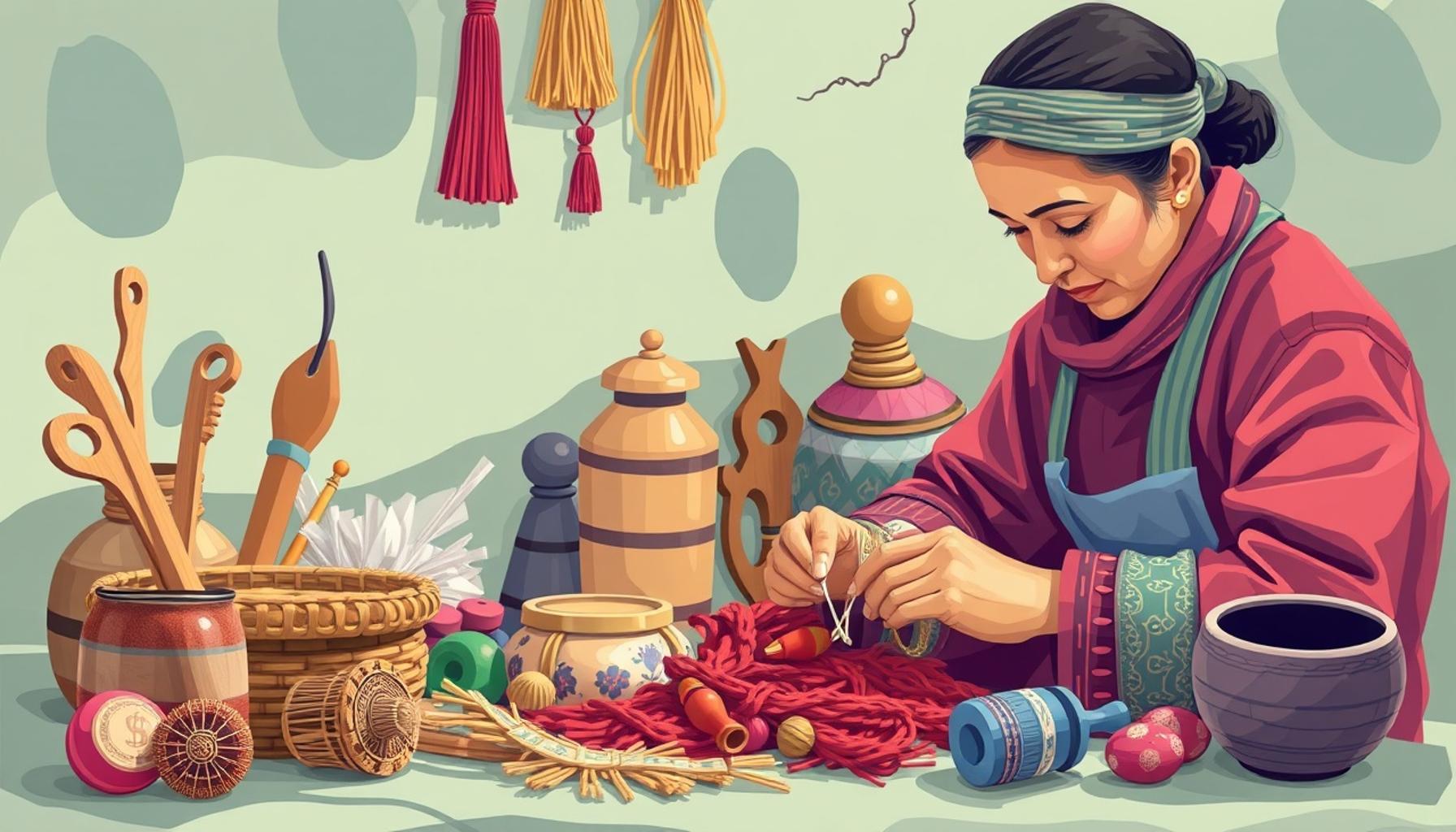
During the early days of human civilization, traditional techniques such as hand-weaving, pottery, and woodworking were not only essential for survival but also pivotal in creating cultural artifacts. For instance, techniques used by Native American tribes for pottery were remarkable not just for their utility but also for their intricate designs which told stories of heritage and tradition. Similarly, woodworking in ancient Egypt showcased an understanding of materials and artistry that produced stunning furniture and decorative objects, some of which are still revered in modern times.
Modern Innovations
The landscape of crafting has markedly shifted with the advent of modern innovations such as 3D printing, laser cutting, and interactive design. 3D printing, for example, enables creators to produce complex shapes and intricate designs that would be labor-intensive with traditional methods. Artists and designers in cities like San Francisco have embraced this technology to create everything from bespoke jewelry to functional architectural elements, dramatically expanding the possibilities of crafting.
Materials Shift
Moreover, the materials shift witnessed over the centuries has played a crucial role in this evolution. The early crafts relied predominantly on natural materials—clay, wood, and fibers—each sourced from the surrounding environment. In recent years, however, a growing trend toward the use of synthetic options has emerged. Materials such as acrylics and advanced composites offer durability and versatility that natural materials often cannot match. For instance, contemporary textile artists are experimenting with smart fabrics that change color or texture, merging artistry with technology.
This remarkable transformation reflects broader social trends, such as the rise of the maker movement, which has sparked a renaissance in traditional skills while simultaneously integrating modern technologies. Maker fairs across the United States, such as those held in New York and San Mateo, function as vibrant showcases of innovation, creativity, and the melding of old and new craft techniques. This movement encourages individuals to explore their creativity, connecting them with their cultural roots while embracing forward-thinking designs.
In essence, the evolution of craft techniques is not merely about the tools and materials used; it encapsulates a profound connection between art, technology, and individual expression. This exploration invites readers to acknowledge how these shifts preserve historical practices while paving the way for future innovations in the crafting world. As we continue to investigate these changes, we uncover the narratives that shape our art and functionality, compelling us to appreciate the intricacies of craftsmanship in all its forms.
DISCOVER MORE: Click here to dive into molecular cuisine
The Shift from Past to Present Craftsmanship
The transformation of craft techniques over the years has created a fascinating interplay between tradition and modernity. Understanding this shift requires examining how traditional craftsmanship laid the groundwork for contemporary practices while also inspiring innovation. As societies evolved, so too did their crafting techniques, responding to changes in culture, economy, and technology.
Historical Craftsmanship: A Foundation Built on Tradition
Historically, craftsmanship was a communal practice deeply ingrained in the cultural fabric of societies. Apprenticeships were a common method for transmitting knowledge, where master artisans shared their skills with the next generation. For instance, in 17th-century Europe, guilds regulated trades like blacksmithing and weaving, ensuring high standards of quality and technique. The use of local materials and age-old methods represented not only practicality but also reflected the identity of the community. Here are some defining characteristics of traditional craftsmanship:
- Regional Techniques: Different regions developed unique techniques that were often tied to available resources, such as the intricate lacework of Belgium or the robust pottery of the American Southwest.
- Skill and Labor: The craftsmanship relied on the skillful manipulation of materials, with artisans employing time-honored methods that could take years to master.
- Cultural Significance: Many crafts were not merely utilitarian; they were imbued with cultural and spiritual significance, often serving ceremonial purposes or conveying social status.
Modern Craft Techniques: A Blend of Artistry and Science
As the Industrial Revolution progressed, crafting began its transformation. Technologies that emerged during this period revolutionized traditional practices, making them accessible to the masses. However, it also led to the concern of loss of artistry and individuality in mass production. In contrast, the late 20th century saw a resurgence in artisanal quality and handmade goods, culminating in what is now referred to as the maker movement, which emphasizes the importance of individual creativity.
Modern techniques such as digital fabrication and automation have allowed artisans to explore new dimensions of creativity. Methods like laser cutting and CNC machining enable detailed precision and faster production than traditional handwork. Moreover, these advanced techniques often enhance the collaborative nature of crafting, connecting artists from various disciplines. For instance, architects and designers in cities like Austin are integrating woodworking with digital design, producing works that reflect both functionality and aesthetic appeal.
Furthermore, contemporary crafters are championing sustainability as a key principle in their work. The use of eco-friendly materials and practices reflects a growing awareness about environmental impact, demonstrating that modern craftsmanship can honor traditional values while adapting to current needs.
In summary, the evolution of craft techniques highlights a rich dialogue between tradition and innovation. As we delve deeper into this interplay, we can trace how past influences continue to shape contemporary practices, encouraging a thoughtful reflection on our crafting future.
The Evolution of Craft Techniques: From Traditional to Modern
The world of craft techniques has undergone a remarkable transformation over the years, transitioning from age-old traditions to contemporary innovations that redefine creative boundaries. In the landscape of traditional craftsmanship, artisans devoted hours to mastering time-honored skills, using simple tools and materials drawn directly from their environments. Each piece they created bore the unique mark of a personal touch along with a deep cultural significance.
However, as we delve into the modern era, the introduction of advanced technology and digital tools has revolutionized the craft industry. Techniques such as 3D printing and laser cutting have expanded the possibilities, allowing creators to experiment with intricate designs that were once unimaginable. These innovations not only enhance the craftsmanship but also make it accessible to a wider audience. Contemporary artisans are now combining traditional methods with modern technology, preserving heritage while inspiring new generations with their art.
Furthermore, this evolution encourages collaboration across fields, blending art, design, and engineering to create unique products that resonate with various audiences. The rise of social media has amplified these developments, allowing artisans to showcase their work to a global audience, thus fostering a rich exchange of ideas and styles. As crafts evolve, the challenge remains to maintain the integrity of traditional techniques while embracing the dynamic changes brought about by modern advancements.
| Craft Technique Category | Key Features |
|---|---|
| Traditional Techniques | Manual craftsmanship, natural materials, cultural preservation |
| Modern Techniques | Digital tools, 3D printing, innovative designs |
By examining the contrasts and complementary aspects of these techniques, we can appreciate the richness of craft evolution. The journey from traditional to modern encompasses not only the adaptation of methods but also a shift in the cultural perception of craftsmanship itself. Exploring this evolution provides invaluable insights into the artistic expression and cultural heritage that continue to inform the craft community today.
DIVE DEEPER: Click here to discover how nature inspires creativity
Bridging the Gap: The Intersection of Heritage and Innovation
The dialogue between traditional craftsmanship and modern techniques extends beyond merely preserving skills; it actively seeks to reinvent and redefine these practices. Today, we witness a fusion of old and new that elevates craftsmanship to an art form, breaking the barriers that once separated artisanship from technology.
Revival of Ancient Techniques in a Modern Context
One of the most intriguing aspects of the evolution of craft techniques is the intentional revival of ancient methods using contemporary interpretations. Artisans are increasingly turning to traditional practices, not just for authenticity but to explore their relevance in today’s market. For example, Japanese techniques like Sumi-e (ink painting) and Origami are experiencing a resurgence in workshops across the U.S., where artists blend them with modern themes and concepts. This melding of cultural heritage with current aesthetics allows new generations to both honor tradition and challenge the status quo.
Furthermore, artisans are experimenting with historical methodologies to create hybrid forms of craftsmanship. In California, for example, makers are utilizing ancient pottery techniques while incorporating modern glazes and finishes, resulting in unique pieces that resonate with contemporary design sensibilities.
The Role of Technology in Contemporary Crafting
Technology plays a dual role in modern craftsmanship: it acts as a tool for efficiency while also serving as a medium for new forms of expression. The rise of 3D printing has empowered artisans to create intricate designs that would be nearly impossible to achieve through traditional methods. This technology allows for rapid prototyping and customization, expanding the realms of possibility for crafters.
Moreover, the presence of digital platforms enables artisans to showcase their work globally, reach wider audiences, and collaborate across borders. Online marketplaces such as Etsy and Craftsy have revolutionized how crafters conduct business, allowing them to retain authenticity while benefiting from large-scale visibility. This accessibility has spurred innovations in marketing and entrepreneurship among artisans, pushing the boundaries of what it means to be a craftsperson today.
Environmental Responsibility: Crafting for a Sustainable Future
Among the modern-day considerations for craftsmen and women is the imperative of sustainability. There is a growing movement aiming to produce goods that are not only well-crafted but also environmentally friendly. Using recycled materials, adopting zero-waste practices, and sourcing local products have become fundamental principles for many contemporary artisans. In New York, for instance, several designers are making a name by using reclaimed wood and fabrics to produce unique, sustainably crafted furniture that speaks to eco-conscious consumers.
This commitment to sustainability often echoes traditional practices, which prioritized resourcefulness and eco-friendliness long before these concepts became mainstream. By pulling from the past, today’s crafters not only celebrate their heritage but also pave the way for a more sustainable future.
The evolution of craft techniques serves as a reminder that tradition and modernity do not have to be at odds but can coalesce to create something much more profound. The blurred lines between historical reverence and technological advancement illustrate the dynamic nature of craftsmanship today, showcasing a continual adaptation that propels the art forward while preserving its rich roots.
DIVE DEEPER: Click here to discover delicious recipes from around the world!</a
Conclusion: Crafting a Future with Tradition and Innovation
The journey through the evolution of craft techniques reveals a vibrant tapestry woven from the threads of tradition and modernity. As artisans around the United States embrace both their rich heritage and the advancements in technology, they demonstrate a profound understanding that craftsmanship is more than just a skill; it is a means of storytelling, cultural expression, and innovation.
With the revival of ancient techniques and the integration of modern methods, today’s makers are not simply preserving the past; they are transforming it into something that resonates with contemporary audiences. Whether through the intricate folds of Origami or the precision of 3D printing, the act of crafting serves as a bridge between generations, showcasing how historical practices can adapt to meet current needs and tastes.
Moreover, the growing emphasis on sustainability underscores a significant shift in both consumer awareness and artisan responsibility. By prioritizing eco-friendly materials and practices, contemporary crafters are aligning themselves with a broader movement towards conscientious consumption, demonstrating that craftsmanship can coexist with environmental stewardship.
As we continue to navigate this evolving landscape of craft, it is essential to appreciate the continuous dialogue between the old and the new. This synthesis not only enriches our understanding of craftsmanship but also inspires future artisans to innovate while honoring the legacies that shape our world. The ongoing evolution of craft techniques invites curiosity, prompting us to explore further as both makers and consumers in this diverse and dynamic field.